




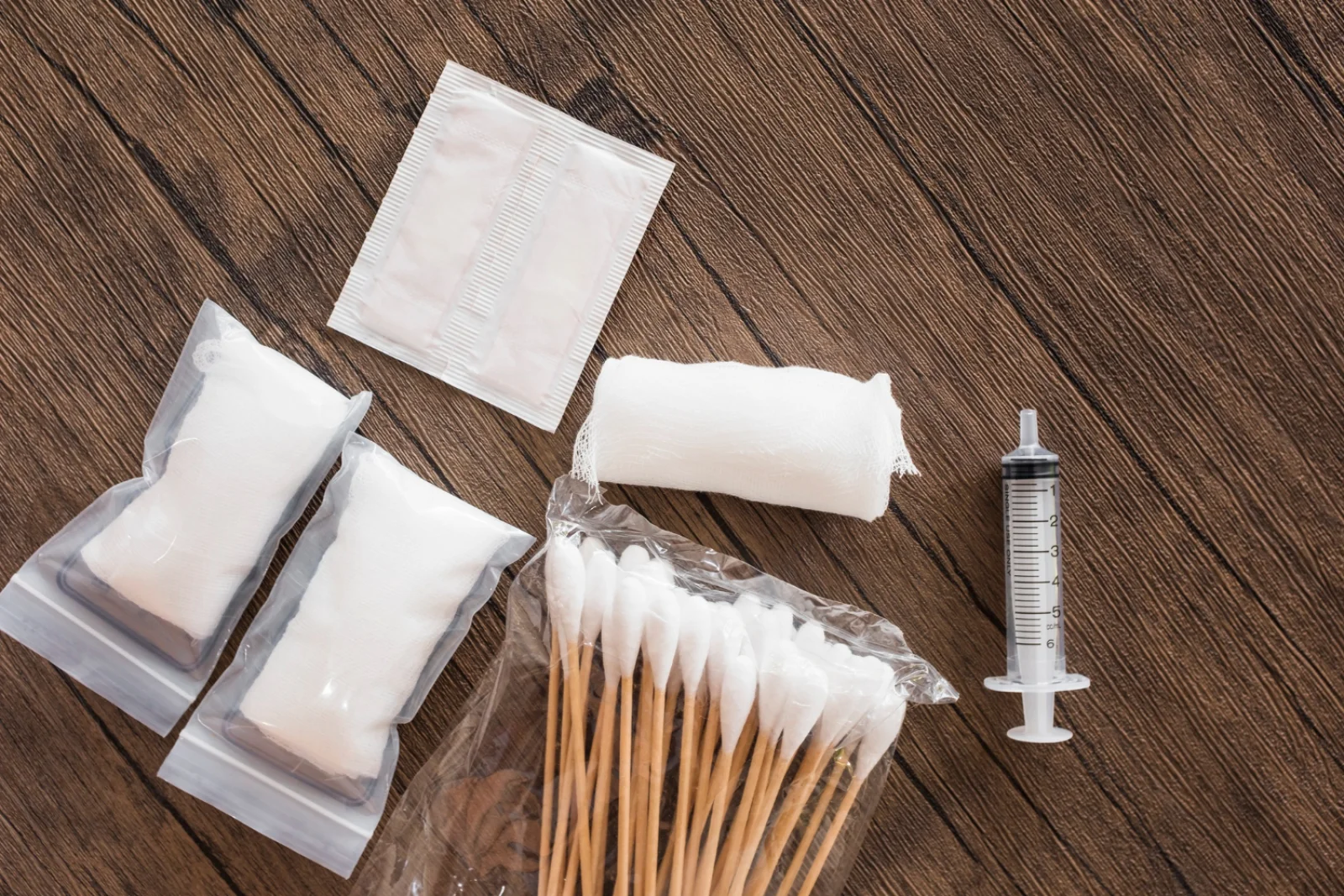
Wound Care & Dressing Supplies
About Wound Care & Dressing Supplies
Wound care and dressing supplies are essential medical materials used to protect wounds, promote healing, prevent infection, and manage drainage or skin damage. These supplies support the treatment of acute injuries, chronic wounds, surgical wounds, burns, ulcers, and dermatologic procedures requiring specialized skin care.
Overview
Wound care supplies include sterile dressings, gauze, bandages, adhesive tapes, hydrocolloid dressings, foam dressings, antimicrobial materials, wound cleansers, and protective skin barriers. Different dressing types are selected based on the size, depth, moisture level, and condition of the wound. Proper wound care management helps accelerate healing, reduce pain, and minimize complications such as infection or scarring.
Understanding The Procedure
Symptoms That May Require Wound Care & Dressing Supplies
- ⦾ Open wounds or skin ulcers
- ⦾ Surgical wounds or biopsy sites
- ⦾ Burns, cuts, or traumatic skin injuries
- ⦾ Chronic non-healing wounds
- ⦾ Skin irritation, drainage, or tissue breakdown
Recovery & Outlook
The long-term outlook with proper wound care management is generally very positive. Appropriate dressing supplies and consistent wound care help promote faster healing, reduce infection risk, and improve skin recovery. Regular medical follow-up, healthy lifestyle practices, and preventive skin care are important for maintaining long-term skin integrity and preventing recurrence of chronic wounds.
Risks
- ⦾ Infection or delayed wound healing
- ⦾ Skin irritation or allergic reactions to dressings
- ⦾ Excess moisture or wound dryness affecting healing
- ⦾ Scarring or pigmentation changes
- ⦾ Recurrent wound breakdown or chronic ulcer formation
- ⦾ Treatment Options
- ⦾ Wound care and dressing supplies are used as part of comprehensive wound management plans tailored to the type and severity of the wound. Treatments may include wound cleaning, moisture-balancing dressings, antimicrobial therapy, pressure relief, debridement, and advanced wound care techniques. Dermatologists and wound care specialists select appropriate dressing materials to support optimal healing and reduce complications.
Post-Operative Care
- ⦾ Keeping wounds clean and properly dressed
- ⦾ Changing dressings as instructed by healthcare providers
- ⦾ Monitoring for redness, swelling, drainage, or infection
- ⦾ Protecting wounds from pressure, friction, or trauma
- ⦾ Regular follow-up for wound assessment and healing progress
Doctors Who Perform Wound Care & Dressing Supplies
Meet experienced general surgery doctors who regularly evaluate and perform wound care & dressing supplies.

Dr. Abhiram
MBBS, MS in General Surgery.
KMC: 122777
Consultant General Surgeon

Dr. Anantha Krishna M A
Mbbs Ms Gen Surgery Fsge Fiages
KMC: 85130
Consultant Surgical Gastroenterology surgeon

Dr. Niranjan P
MBBS, DNB - General Surgery
KMC: 72600
Consultant General Surgeon
Prefer WhatsApp for Wound Care & Dressing Supplies enquiries? Chat with our orthopedic team during working hours for quick assistance.
