




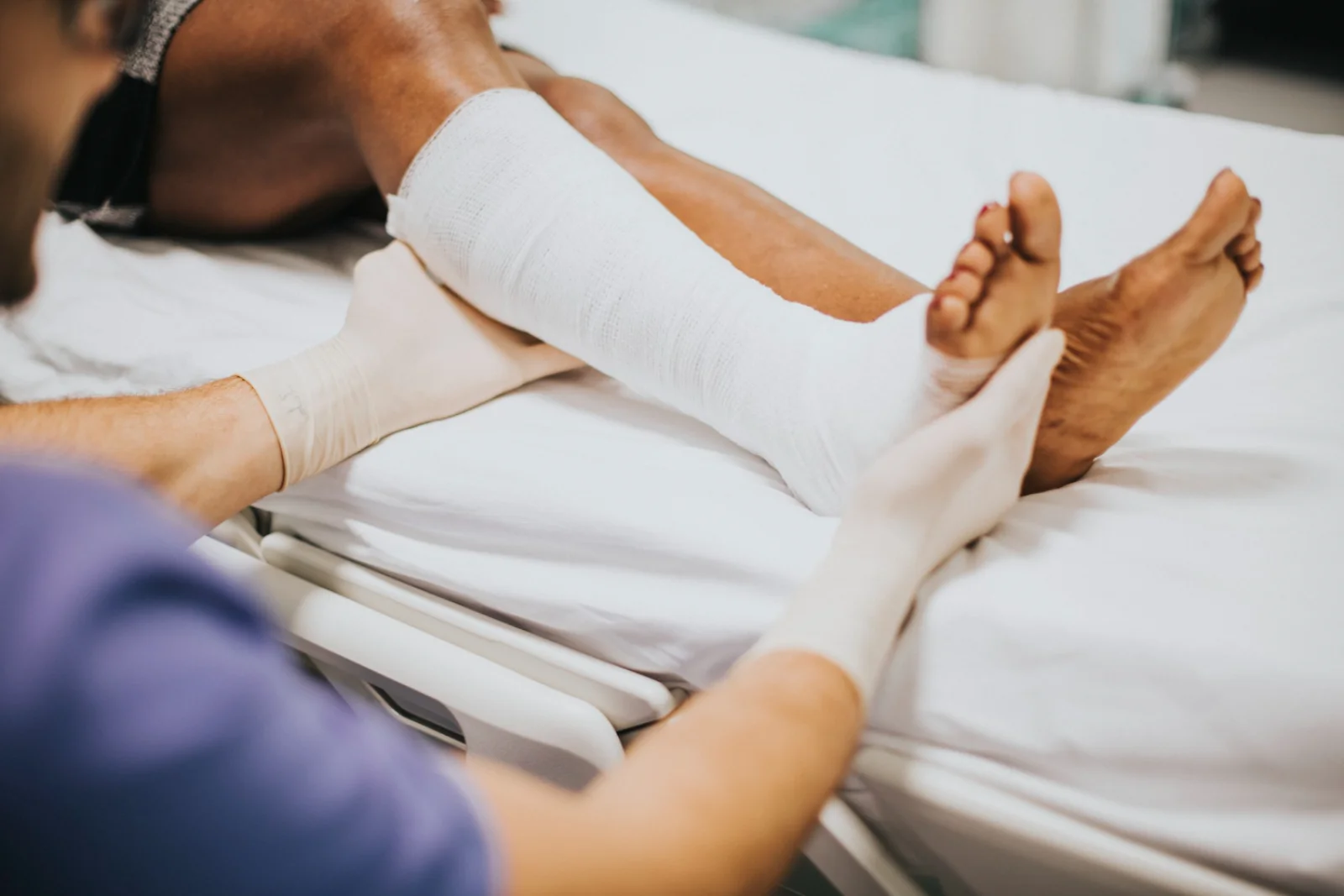
Wound Debridement (Sharp / Surgical / Autolytic / Enzymatic)
About Wound Debridement (Sharp / Surgical / Autolytic / Enzymatic)
Wound debridement is the removal of dead, infected, or unhealthy tissue from diabetic foot wounds.
Overview
Debridement promotes healing by reducing bacterial load and improving healthy tissue growth within chronic diabetic ulcers.
Understanding The Procedure
Symptoms That May Require Wound Debridement (Sharp / Surgical / Autolytic / Enzymatic)
- ⦾ Persistent symptoms related to the condition treated by Wound Debridement (Sharp / Surgical / Autolytic / Enzymatic)
- ⦾ Pain, discomfort, or functional limitation affecting daily activities
- ⦾ Symptoms that continue despite medicines or conservative care
- ⦾ Progressive or recurrent complaints needing definitive specialist treatment
- ⦾ Clinical findings on examination or investigations that indicate procedural care
Recovery & Outlook
Proper debridement supports healthy wound healing and reduces the risk of severe diabetic foot complications.
Risks
- ⦾ Bleeding
- ⦾ Pain or discomfort
- ⦾ Infection risk
- ⦾ Need for repeated procedures
Post-Operative Care
- ⦾ Regular dressing changes
- ⦾ Infection monitoring
- ⦾ Blood sugar control
- ⦾ Pressure offloading
Doctors Who Perform Wound Debridement (Sharp / Surgical / Autolytic / Enzymatic)
Meet experienced general surgery doctors who regularly evaluate and perform wound debridement (sharp / surgical / autolytic / enzymatic).
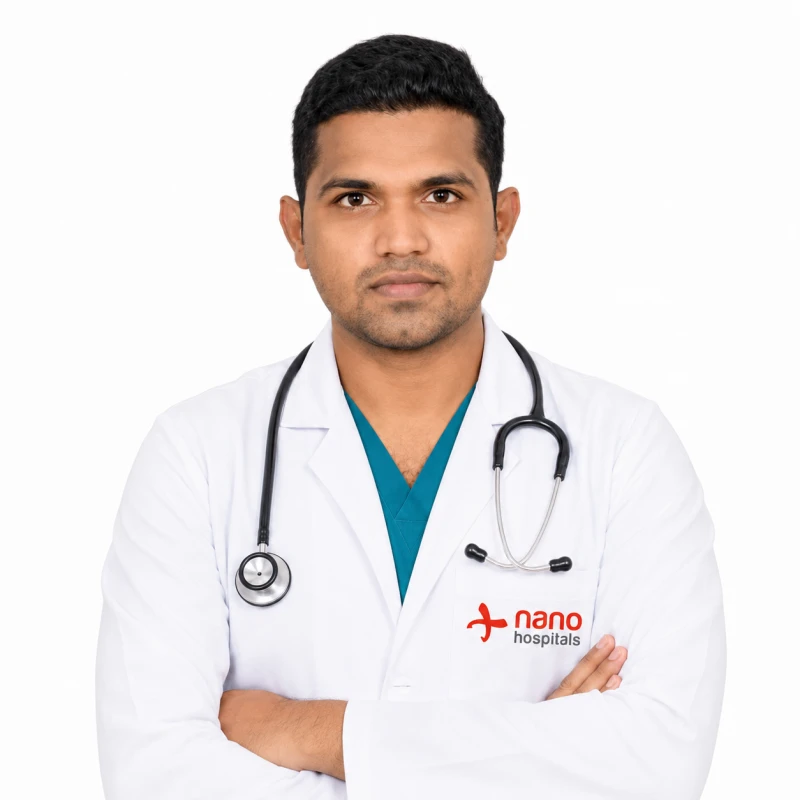
Dr. Abhiram
MBBS, MS in General Surgery.
KMC: 122777
Consultant General Surgeon

Dr. Anantha Krishna M A
Mbbs Ms Gen Surgery Fsge Fiages
KMC: 85130
Consultant Surgical Gastroenterology surgeon
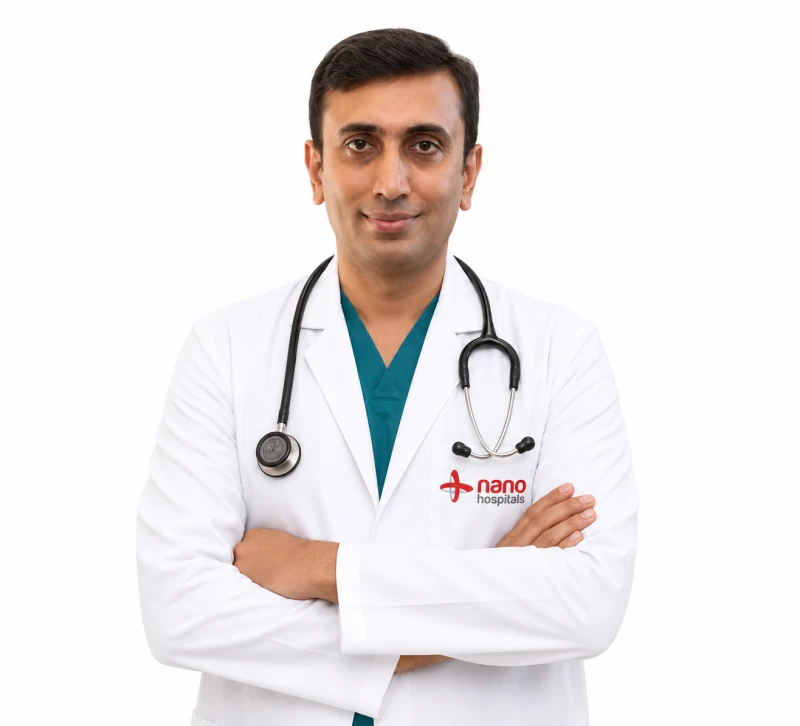
Dr. Niranjan P
MBBS, DNB - General Surgery
KMC: 72600
Consultant General Surgeon
Prefer WhatsApp for Wound Debridement (Sharp / Surgical / Autolytic / Enzymatic) enquiries? Chat with our orthopedic team during working hours for quick assistance.