



Otoacoustic Emission (OAE) Testing
About Otoacoustic Emission (OAE) Testing
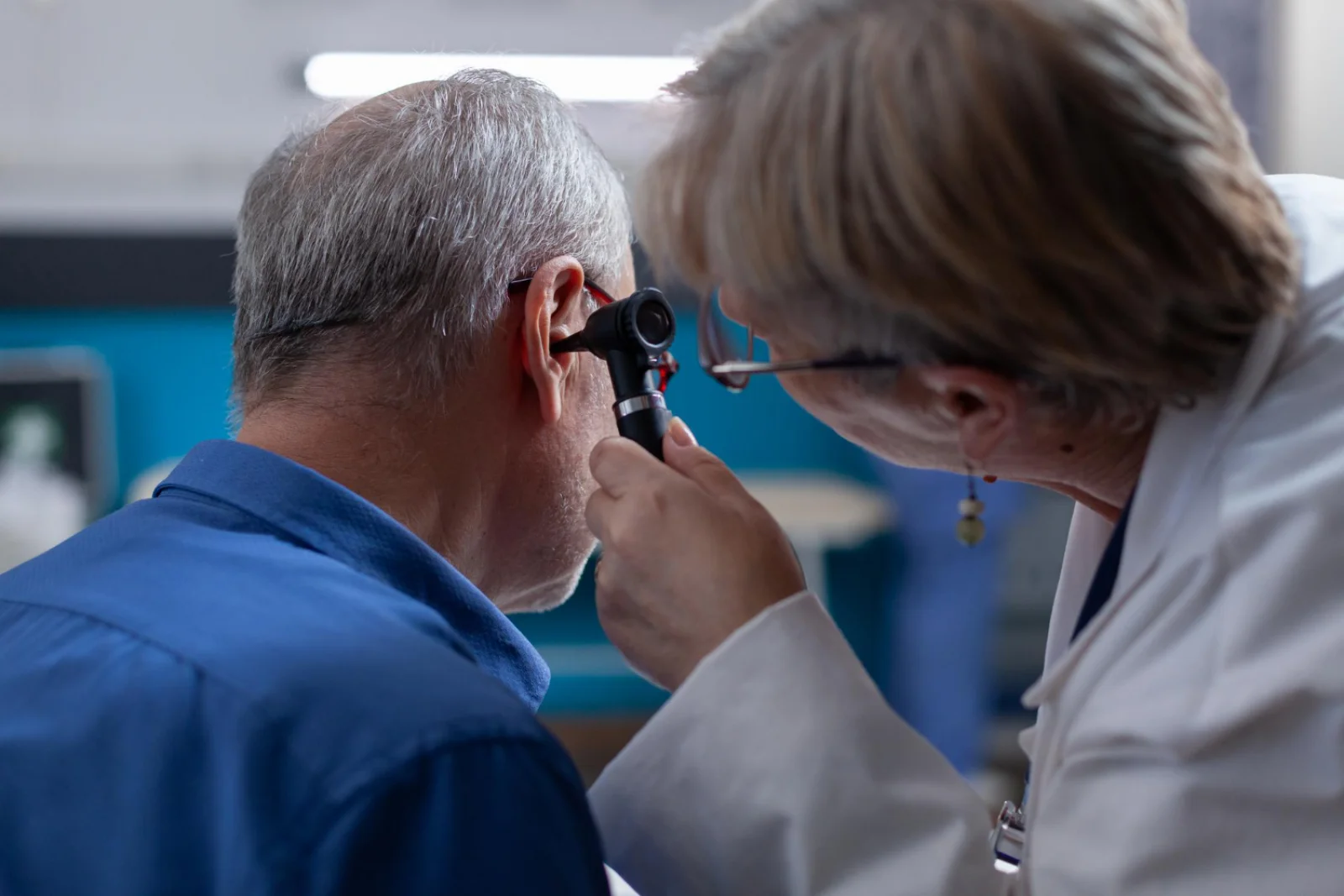
Otoacoustic Emission (OAE) testing is a specialized hearing screening test used to evaluate inner ear (cochlear) function, especially in newborns and young children. The test helps detect hearing impairment at an early stage before speech and developmental delays occur. It is painless, quick, and highly effective for hearing screening.
Overview
A small probe is placed inside the ear canal, which delivers soft sounds and records echo responses produced by the inner ear. OAE testing is commonly used for: Newborn hearing screening Pediatric hearing assessment Cochlear function evaluation Monitoring hearing damage The test does not require active patient participation and is especially useful in infants.
Understanding The Procedure
Symptoms That May Require Otoacoustic Emission (OAE) Testing
- ⦾ Delayed speech development
- ⦾ Poor response to sounds
- ⦾ Suspected hearing impairment
- ⦾ High-risk newborn hearing screening
- ⦾ Family history of hearing loss
Recovery & Outlook
Early OAE screening improves detection of hearing loss and supports timely rehabilitation, speech development, and long-term communication outcomes.
Risks
- ⦾ No significant medical risks
- ⦾ Mild temporary discomfort from probe placement
- ⦾ Difficulty obtaining results in restless children
- ⦾ False-positive results due to ear canal blockage
- ⦾ Need for additional hearing tests in some cases
Post-Operative Care
- ⦾ Attend follow-up hearing assessments if advised
- ⦾ Monitor speech and language development carefully
- ⦾ Seek early intervention for confirmed hearing loss
- ⦾ Maintain regular pediatric and ENT check-ups
- ⦾ Protect ears from infections and loud noises
Doctors Who Perform Otoacoustic Emission (OAE) Testing
Meet experienced ent (ear, nose & throat) doctors who regularly evaluate and perform otoacoustic emission (oae) testing.
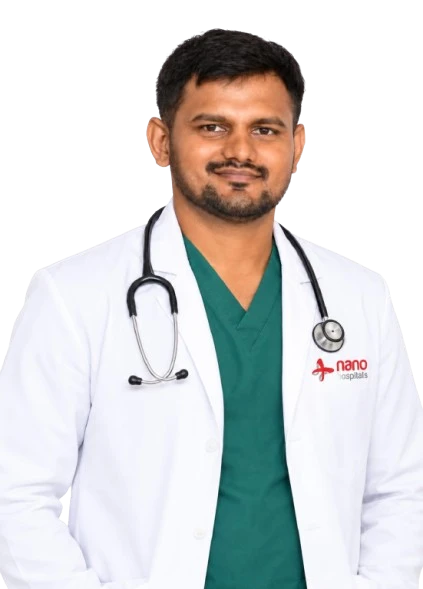
Dr. Darshan Gowda P. V.
MBBS, MS
KMC: Consultant ENT Surgeon
Consultant ENT Surgeon

Dr Spoorthy Itagi
MBBS, DLO (GOLD MEDAL) DNB
KMC: 105550
CONSULTANT ENT Surgeon

Dr kirthi kiran
MBBS, MS
KMC: 112127
Consultant ENT & Head Neck Surgeon
Prefer WhatsApp for Otoacoustic Emission (OAE) Testing enquiries? Chat with our orthopedic team during working hours for quick assistance.