



Parotidectomy
About Parotidectomy
Parotidectomy is a surgical procedure performed to remove part or all of the parotid gland, the largest salivary gland located near the ear and jaw. The surgery is commonly performed for tumors, chronic infections, or cysts affecting the parotid glan...
Parotidectomy is a surgical procedure performed to remove part or all of the parotid gland, the largest salivary gland located near the ear and jaw. The surgery is commonly performed for tumors, chronic infections, or cysts affecting the parotid gland. Careful surgical technique is required to protect the facial nerve passing through the gland.
Overview
The procedure is performed under general anesthesia. The surgeon removes diseased gland tissue while preserving facial nerve function whenever possible. Parotidectomy may be: Superficial parotidectomy Total parotidectomy Tumor-specific gland excision The surgery is commonly recommended for: Parotid gland tumors Chronic gland infections Benign cysts Suspicious gland swelling
Understanding The Procedure
Symptoms That May Require Parotidectomy
- ⦾ Swelling near the ear or jaw
- ⦾ Pain while eating
- ⦾ Facial swelling
- ⦾ Lump in the parotid region
- ⦾ Facial weakness in severe cases
Recovery & Outlook
Parotidectomy effectively treats gland disease and tumors. Most patients recover well with preserved facial function and long-term symptom relief.
Risks
- ⦾ Facial nerve weakness
- ⦾ Bleeding or infection
- ⦾ Salivary leakage
- ⦾ Numbness near the ear
- ⦾ Scar formation
Post-Operative Care
- ⦾ Maintain surgical wound hygiene
- ⦾ Attend regular follow-up appointments
- ⦾ Monitor facial movements carefully
- ⦾ Take medications as prescribed
- ⦾ Avoid strain on the surgical area initially
Doctors Who Perform Parotidectomy
Meet experienced ent (ear, nose & throat) doctors who regularly evaluate and perform parotidectomy.
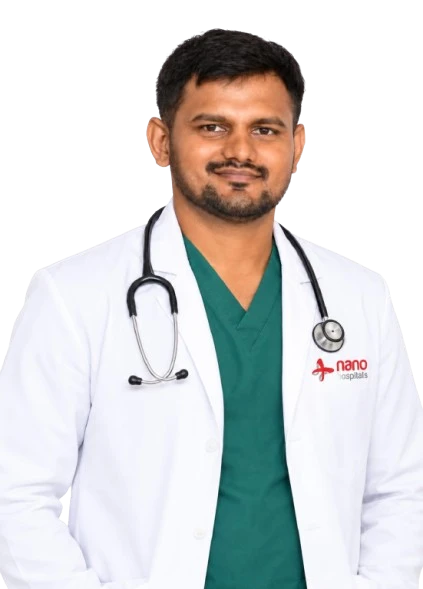
Dr. Darshan Gowda P. V.
MBBS, MS
KMC: Consultant ENT Surgeon
Consultant ENT Surgeon
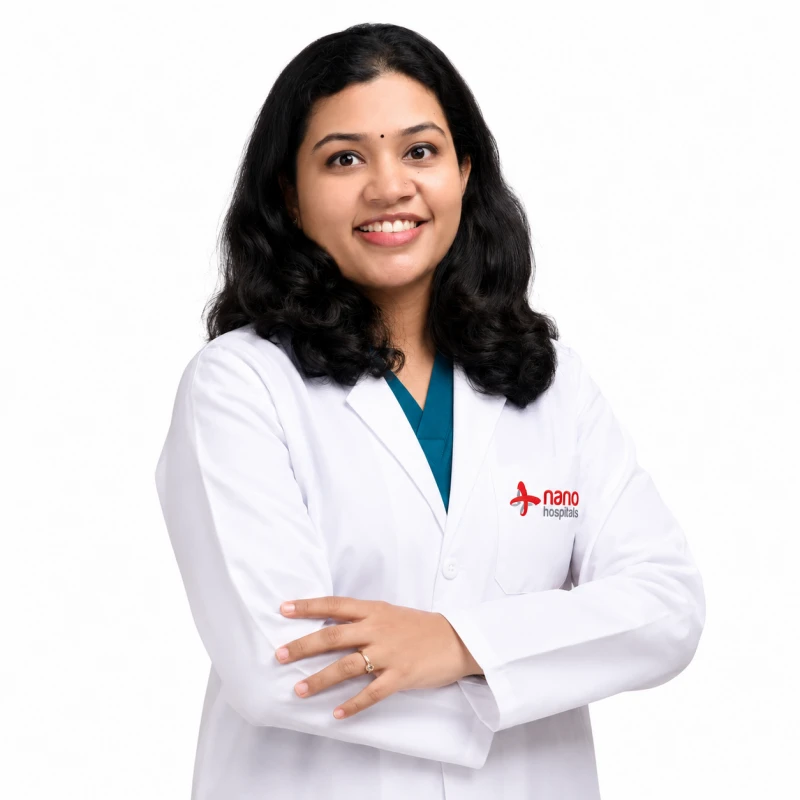
Dr Spoorthy Itagi
MBBS, DLO (GOLD MEDAL) DNB
KMC: 105550
CONSULTANT ENT Surgeon
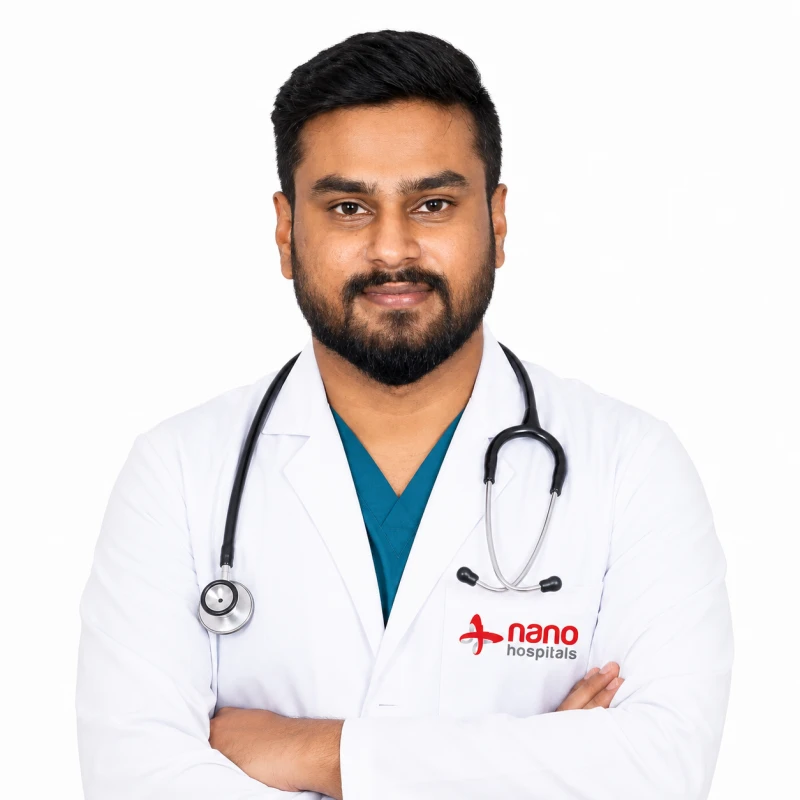
Dr kirthi kiran
MBBS, MS
KMC: 112127
Consultant ENT & Head Neck Surgeon
Prefer WhatsApp for Parotidectomy enquiries? Chat with our orthopedic team during working hours for quick assistance.