




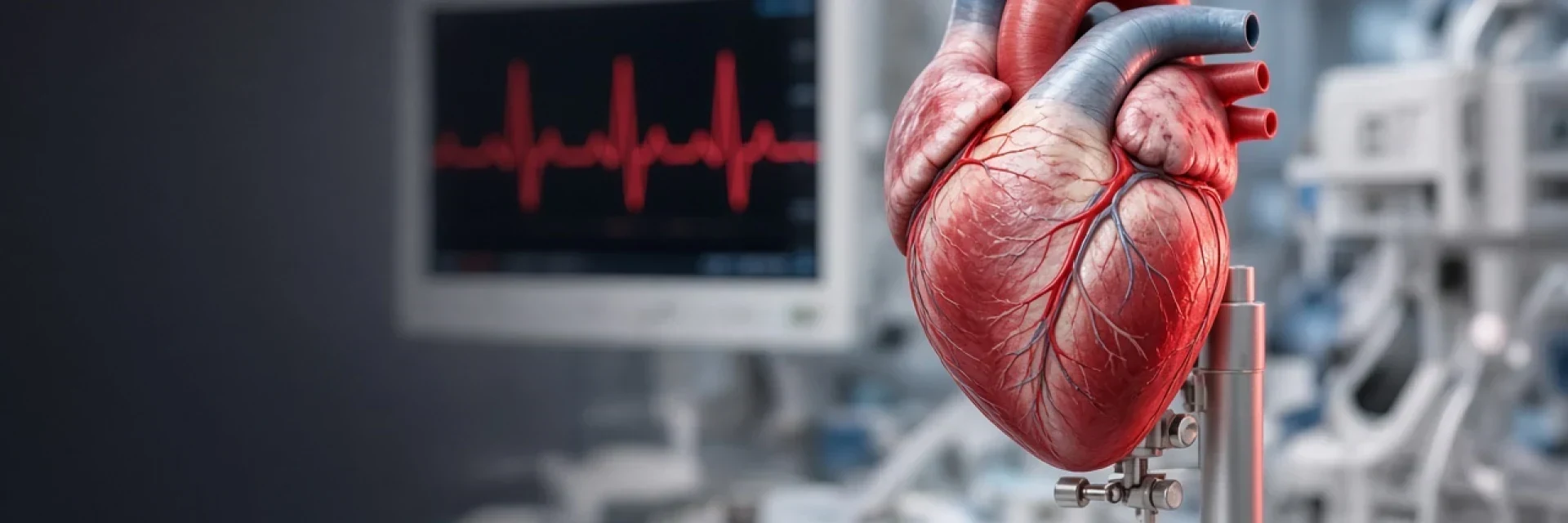
Advanced Cardiac Life Support (ACLS) Protocols
Nano Hospitals provides Advanced Cardiac Life Support (ACLS) in Bangalore for cardiac arrest, severe arrhythmias, stroke and respiratory failure, combining CPR, defibrillation, advanced airway management and emergency medication. Care is delivered in ICU and emergency settings at both Bannerghatta Road and Uttarahalli branches.
BOOK APPOINTMENTUnderstanding Advanced Cardiac Life Support (ACLS) Protocols
Advanced Cardiac Life Support (ACLS) protocols are specialized emergency medical procedures used to manage life-threatening cardiac and respiratory emergencies such as cardiac arrest, severe arrhythmias, stroke, respiratory failure, and circulatory collapse. ACLS combines advanced airway management, cardiac monitoring, emergency medications, defibrillation, and coordinated resuscitation techniques to stabilize critically ill patients and improve survival outcomes.
Introduction
ACLS procedures are performed by trained healthcare professionals in emergency departments, intensive care units, ambulances, operating rooms, and critical care settings. The protocol follows a systematic approach to evaluate airway, breathing, circulation, neurological status, and cardiac rhythm. ACLS interventions may include cardiopulmonary resuscitation (CPR), electrical defibrillation, synchronized cardioversion, advanced airway placement, intravenous medication administration, and continuous cardiac monitoring to restore effective heart function and circulation.
Common Symptoms
- Sudden cardiac arrest or loss of consciousness
- Severe chest pain, palpitations, or abnormal heart rhythms
- Respiratory failure or severe breathing difficulty
- Low blood pressure, shock, or circulatory collapse
- Stroke symptoms, confusion, or sudden neurological deterioration
Treatment Options
- ACLS protocols focus on rapid emergency intervention to restore circulation, stabilize heart rhythm, improve oxygen delivery, and support vital organ function. Procedures may include high-quality CPR, defibrillation for shockable arrhythmias, synchronized cardioversion, administration of emergency medications, advanced airway management, oxygen therapy, ventilator support, intravenous fluid resuscitation, and intensive care monitoring. ACLS may also involve treatment of underlying medical causes such as myocardial infarction, electrolyte imbalance, sepsis, respiratory failure, or drug overdose. Multidisciplinary critical care support and post-resuscitation management are essential components of comprehensive ACLS care.
- Continuous cardiac and neurological monitoring after resuscitation
- Intensive care observation and organ support management
- Follow-up evaluation for underlying cardiac or medical conditions
- Rehabilitation, physiotherapy, or neurological recovery support when required
- Long-term cardiology and critical care follow-up programs
Recovery & Outlook
The long-term outlook following ACLS intervention depends on the underlying medical emergency, speed of resuscitation, duration of cardiac or respiratory arrest, and overall patient health condition. Early emergency response, effective critical care management, rehabilitation support, medication adherence, lifestyle modification, and regular medical follow-up significantly help improve survival, neurological recovery, cardiovascular stability, and overall quality of life.