




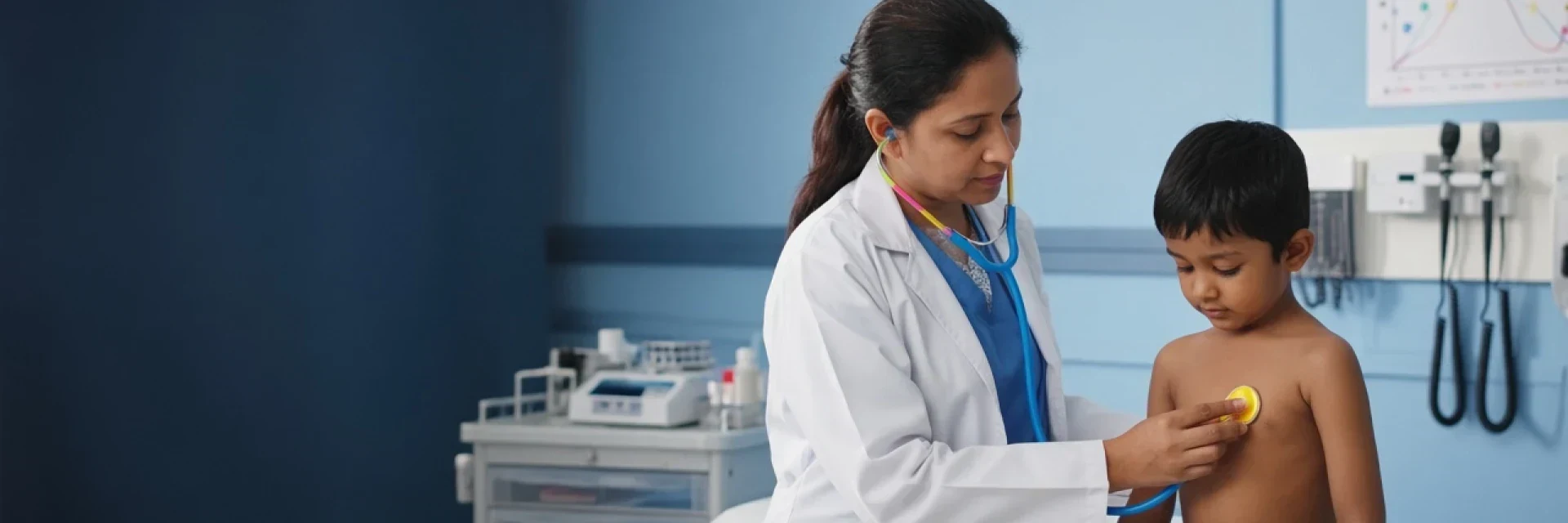
Pediatric Congenital Deformity Correction
Expert diagnosis and advanced treatment pathways for pediatric congenital deformity correction, prioritized for your recovery.
BOOK APPOINTMENTUnderstanding Pediatric Congenital Deformity Correction
Pediatric congenital deformity correction involves specialized reconstructive and corrective surgical procedures performed to treat structural abnormalities present at birth that affect a child’s appearance, movement, growth, or organ function. These procedures aim to improve physical development, functional ability, and overall quality of life while supporting healthy growth and long-term well-being.
Introduction
Congenital deformity correction procedures are commonly performed for conditions affecting the face, skull, hands, limbs, spine, chest wall, and soft tissues. These may include cleft lip and palate, craniofacial abnormalities, syndactyly, limb deformities, ear deformities, and other developmental conditions. Treatment often involves multidisciplinary care with pediatric surgeons, plastic surgeons, orthopedic specialists, speech therapists, physiotherapists, and rehabilitation teams to achieve the best functional and cosmetic outcomes.
Common Symptoms
- Visible structural abnormalities present at birth
- Difficulty feeding, speaking, or breathing
- Abnormal limb movement or restricted joint function
- Facial asymmetry or developmental growth concerns
- Delayed physical or functional development
Treatment Options
- Clinical assessment and congenital deformity evaluation
- Reconstructive and corrective pediatric surgical procedures
- Craniofacial, hand, limb, or soft tissue reconstruction techniques
- Physiotherapy, speech therapy, and rehabilitation support
- Long-term pediatric follow-up and multidisciplinary developmental care
Recovery & Outlook
The long-term outlook for pediatric congenital deformity correction is generally very positive because early diagnosis and modern reconstructive techniques can significantly improve function, appearance, growth, and overall development. Continuous medical follow-up, rehabilitation, family support, and multidisciplinary care are important for maintaining successful long-term physical and developmental outcomes. ____________________
