



Thyroid Disorders (Hypothyroidism, Hyperthyroidism)
Expert diagnosis and advanced treatment pathways for thyroid disorders (hypothyroidism, hyperthyroidism), prioritized for your recovery.
BOOK APPOINTMENTUnderstanding Thyroid Disorders (Hypothyroidism, Hyperthyroidism)
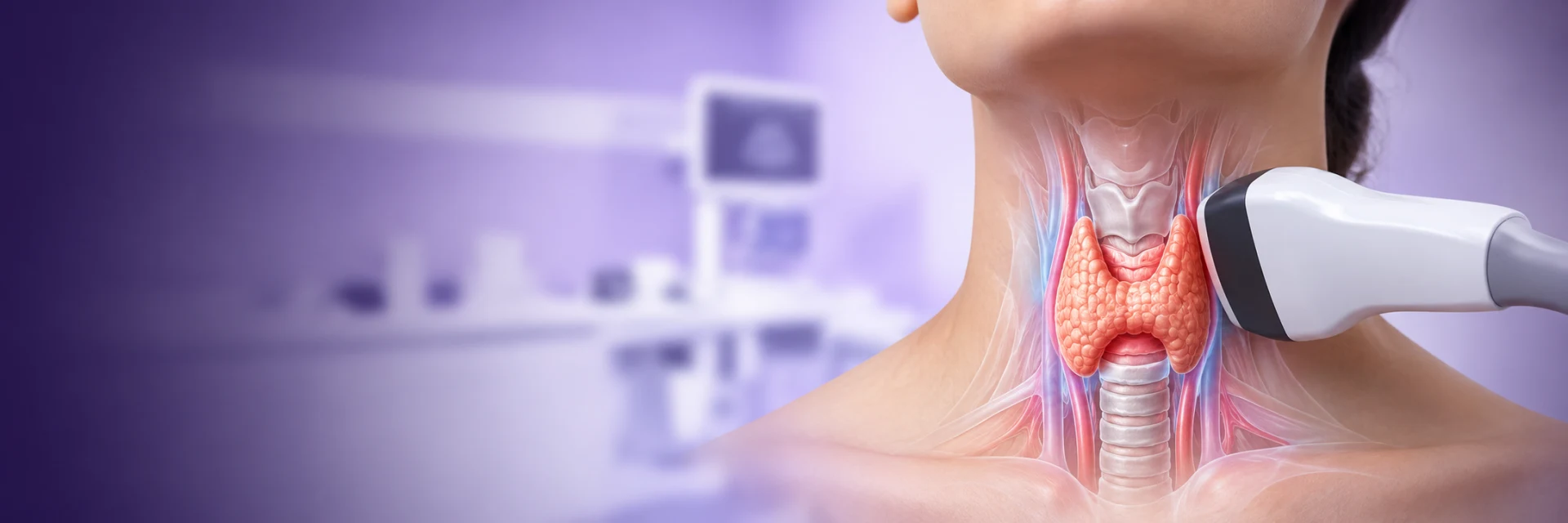
Thyroid disorders are hormonal conditions that occur when the thyroid gland produces either too little or too much thyroid hormone, affecting metabolism, energy levels, heart function, body temperature regulation, and overall health. Hypothyroidism occurs when the thyroid gland is underactive and does not produce enough hormones, while hyperthyroidism results from excessive thyroid hormone production causing increased metabolic activity. These conditions can affect multiple organ systems and require proper diagnosis and long-term endocrine management.
Introduction
Thyroid disorders are hormonal conditions that occur when the thyroid gland produces either too little or too much thyroid hormone, affecting metabolism, energy levels, heart function, body temperature regulation, and overall health. Hypothyroidism occurs when the thyroid gland is underactive and does not produce enough hormones, while hyperthyroidism results from excessive thyroid hormone production causing increased metabolic activity. These conditions can affect multiple organ systems and require proper diagnosis and long-term endocrine management.
Common Symptoms
- Fatigue, weakness, or low energy levels
- Unexplained weight changes or metabolic imbalance
- Palpitations, rapid heartbeat, or anxiety
- Heat or cold intolerance with excessive sweating or dry skin
- Digestive changes, sleep disturbances, or difficulty concentrating
Treatment Options
- Treatment for thyroid disorders focuses on restoring normal hormone balance, relieving symptoms, preventing complications, and improving overall metabolic health. Management may include thyroid hormone replacement therapy for hypothyroidism, anti-thyroid medications for hyperthyroidism, radioactive iodine therapy, beta-blockers, nutritional counseling, and regular thyroid function monitoring. Some patients may require thyroid surgery for large goiters, nodules, or uncontrolled thyroid disease. Lifestyle modification, stress management, healthy nutrition, and regular endocrinology follow-up are important for long-term thyroid health and hormonal stability.
Recovery & Outlook
The long-term outlook for thyroid disorders is generally positive with early diagnosis and proper treatment. Regular medication adherence, routine thyroid function testing, healthy lifestyle habits, stress management, nutritional support, and continuous medical follow-up significantly help maintain hormonal balance, reduce complications, improve metabolic function, and enhance overall quality of life. _________________________ 7. Goiter / Thyroid Nodules Goiter / Thyroid Nodules