



Bioflex Laser
Nano Hospitals offers Bioflex Laser Therapy in Bangalore, a painless, FDA-cleared low-level laser treatment for back pain, joint pain, arthritis and sports injuries in 10–30 minute sessions. It helps reduce inflammation, accelerate tissue healing and may help patients avoid surgery for select non-emergency conditions, with treatment.
About Bioflex Laser
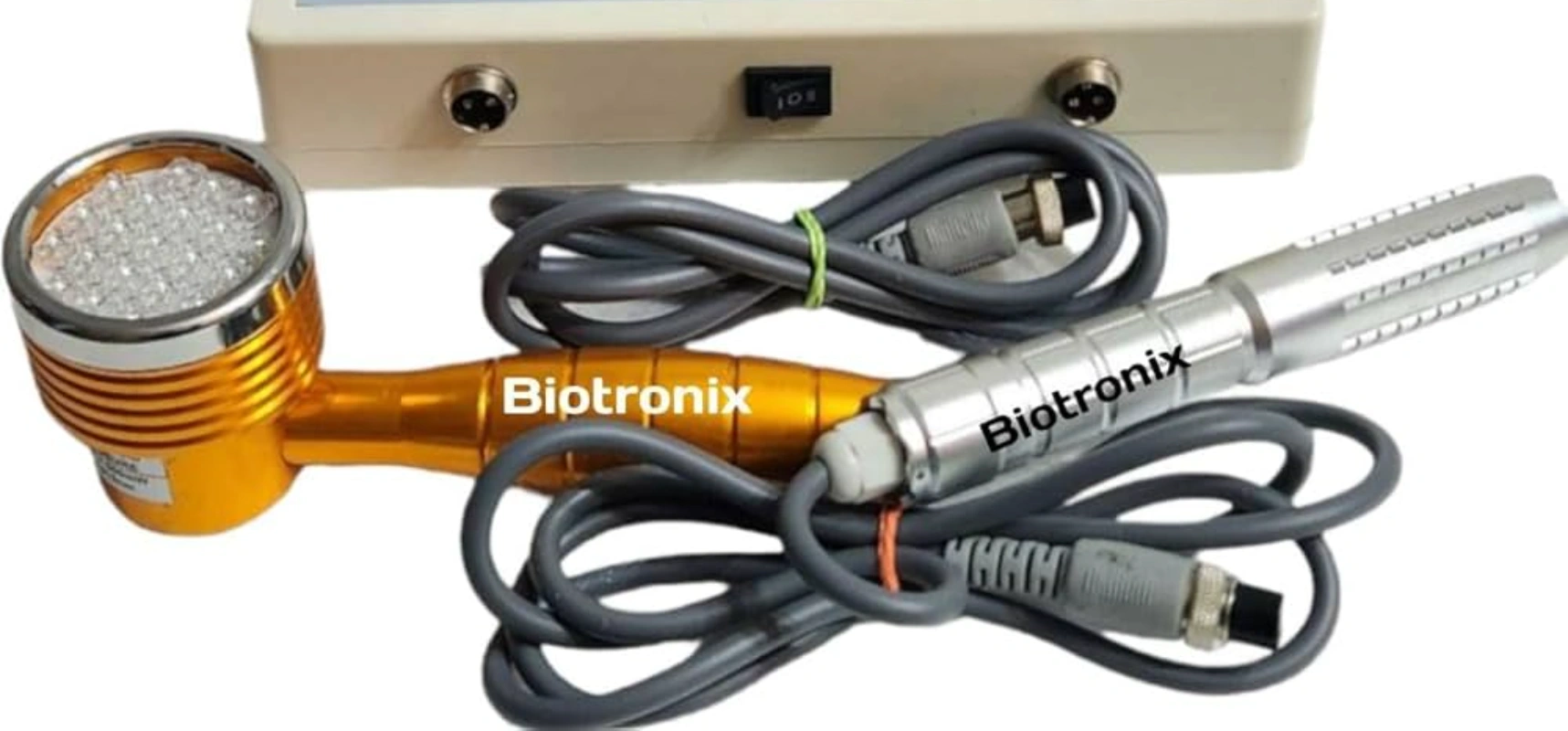
Bioflex Laser Therapy is an Advanced Low-Level Laser Therapy (LLLT) used for pain relief, inflammation reduction, and tissue healing.
It utilizes specific wavelengths of light to stimulate cellular repair and improve blood circulation in affected areas.
Overview
Treats musculoskeletal pain such as back pain, neck pain, and joint pain
Effective in sports injuries, ligament sprains, and tendonitis
Helps in arthritis management and chronic inflammation
Promotes wound healing and tissue regeneration
Reduces nerve pain and improves mobility
Workflow
- Step 1: Clinical Assessment Patient is evaluated to identify pain areas and treatment suitability.
- Step 2: Treatment Planning Customized laser settings are selected based on condition and severity.
- Step 3: Laser Application Laser probes are applied to the targeted area.
- Step 4: Light Penetration & Therapy Light energy penetrates tissues to stimulate healing and reduce inflammation.
- Step 5: Monitoring Patient response is monitored during the session.
- Step 6: Session Completion & Follow-up Each session lasts 10–30 minutes; multiple sessions may be recommended.
Benefits & Value
For Patients
Non-invasive and painless treatment
Quick pain relief and reduced inflammation
Accelerated healing of tissues
For Caregivers & Families
Reduces dependency on pain medications
Supports faster recovery from injuries
Improves patient comfort and quality of life
For the Community
Promotes non-drug pain management solutions
Reduces chronic pain burden
Encourages advanced physiotherapy care
Risks & Challenges
Minimal to no side effects
Rare mild skin sensitivity
Requires multiple sessions for optimal results
Effectiveness depends on proper diagnosis and protocol
Frequently Asked Questions
Is Bioflex Low-Level Laser Therapy (LLLT) painful or hot during treatment? +
No, Bioflex Laser Therapy is completely painless and non-invasive. Unlike surgical or high-power thermal lasers, Bioflex utilizes cold Low-Level Laser Therapy (LLLT) and photobiomodulation. Patients feel no burning or discomfort, experiencing at most a mild, soothing warmth as red and near-infrared light wavelengths penetrate deep target tissues.
How long does a Bioflex Laser Therapy treatment session take at Nano Hospitals, Bangalore? +
A single Bioflex Laser Therapy session at Nano Hospitals Bangalore typically takes 10 to 30 minutes, depending on the severity and anatomical depth of the condition. Each treatment involves customized stages of red light arrays, near-infrared light arrays, and targeted laser probes to stimulate deep cellular repair.
How many Bioflex Laser Therapy sessions are required for optimal pain relief and tissue recovery? +
The number of Bioflex Laser Therapy sessions required varies depending on the condition, severity of pain, and individual recovery needs. Typically, a course of multiple sessions may be recommended to achieve optimal pain relief and support tissue recovery
Is Bioflex Laser Therapy safe, and are there any side effects or medication interactions? +
Yes, Bioflex Laser Therapy is exceptionally safe and FDA-cleared when administered by trained physiotherapists at Nano Hospitals Bangalore. Because cold laser photobiomodulation carries zero risk of thermal tissue damage, infection, or drug interactions, it provides a non-toxic, non-invasive alternative to long-term pain medications and anti-inflammatory drugs.
Can Bioflex Laser Therapy help patients avoid surgery for joint, muscle, and spine conditions? +
Yes, Bioflex Laser Therapy can help avoid invasive surgery for select non-emergency cases, including early-stage herniated discs, rotator cuff tendinopathy, knee osteoarthritis, and nerve entrapments. By restoring ATP production, reducing severe inflammation, and accelerating collagen synthesis, it offers a proven non-surgical healing pathway.
How to book a Bioflex Laser Therapy consultation at Nano Hospitals in Bannerghatta Road or Uttarahalli? +
Bioflex Laser Therapy consultations and treatment sessions at Nano Hospitals Bangalore can be booked online through bioflex-laser or by calling the hospital. Patients can also visit the hospital reception desk to schedule an appointment. Please call Nano Hospitals before visiting to confirm availability and treatment timings.