




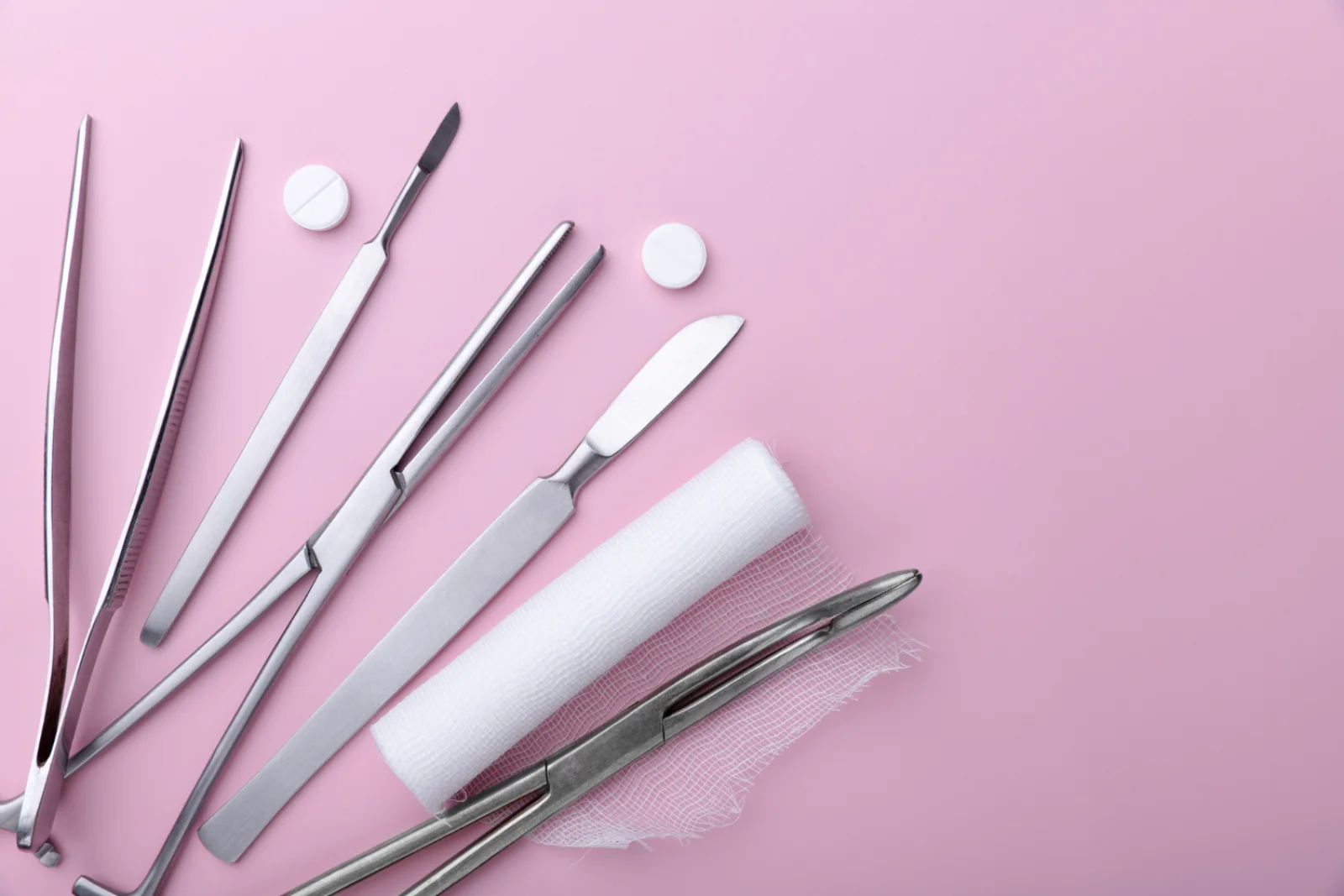
Cosmetic Surgery Tools
About Cosmetic Surgery Tools
Overview
Understanding The Procedure
Symptoms That May Require Cosmetic Surgery Tools
- ⦾ Persistent symptoms related to the condition treated by Cosmetic Surgery Tools
- ⦾ Pain, discomfort, or functional limitation affecting daily activities
- ⦾ Symptoms that continue despite medicines or conservative care
- ⦾ Progressive or recurrent complaints needing definitive specialist treatment
- ⦾ Clinical findings on examination or investigations that indicate procedural care
Recovery & Outlook
The long-term outlook with advanced cosmetic surgery tools is highly positive because modern surgical technologies significantly improve precision, safety, recovery time, and aesthetic outcomes. Continuous advancements in minimally invasive techniques, laser technologies, and reconstructive instrumentation help enhance patient satisfaction, functional recovery, and long-term cosmetic results.
Risks
- ⦾ Requirement for precise surgical handling and expertise
- ⦾ Risk of tissue trauma or cosmetic asymmetry during procedures
- ⦾ Need for strict sterile surgical environments and infection control
- ⦾ Prolonged operative time in complex reconstructive cases
- ⦾ Requirement for continuous maintenance and calibration of advanced equipment
Post-Operative Care
- ⦾ Regular wound care and infection prevention measures
- ⦾ Monitoring for swelling, bruising, or postoperative discomfort
- ⦾ Use of compression garments or supportive dressings when required
- ⦾ Physiotherapy, scar management, and rehabilitation support if needed
- ⦾ Long-term follow-up and aesthetic outcome evaluation
Doctors Who Perform Cosmetic Surgery Tools
Meet experienced plastic & reconstructive surgery doctors who regularly evaluate and perform cosmetic surgery tools.
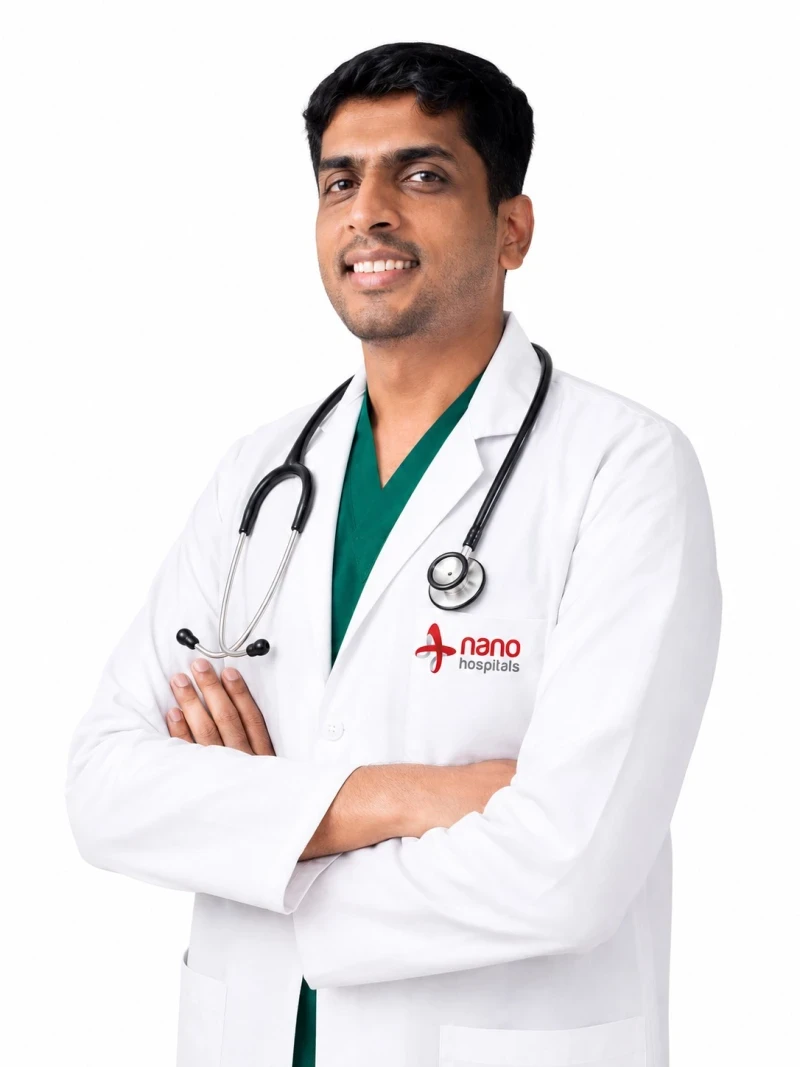
Dr Abhishek G
MBBS,MS,MCH
KMC: 105922
Consultant Plastic Surgeon
Prefer WhatsApp for Cosmetic Surgery Tools enquiries? Chat with our orthopedic team during working hours for quick assistance.