





Hernia Repair (Open / Laparoscopic / Mesh)
About Hernia Repair (Open / Laparoscopic / Mesh)
Hernia repair surgery is performed to correct weakness in the abdominal wall through which internal organs or tissues protrude. Surgical repair st...
Hernia repair surgery is performed to correct weakness in the abdominal wall through which internal organs or tissues protrude. Surgical repair strengthens the affected area and prevents complications such as bowel obstruction or strangulation.
Overview
Common hernias include: Inguinal hernia Umbilical hernia Incisional hernia Femoral hernia Repair methods include: Open surgical repair Laparoscopic repair Mesh reinforcement techniques Mesh placement helps strengthen weakened tissue and reduces recurrence risk. Laparoscopic repair generally provides: Faster recovery Less pain Smaller scars Earlier return to work
Understanding The Procedure
Symptoms That May Require Hernia Repair (Open / Laparoscopic / Mesh)
- ⦾ Visible swelling or bulge
- ⦾ Pain during lifting or coughing
- ⦾ Groin discomfort or heaviness
- ⦾ Swelling that increases on standing
- ⦾ Sudden severe pain in strangulated hernia
Recovery & Outlook
Successful hernia repair provides long-term symptom relief and prevents complications. Most patients return to normal activities with improved comfort and abdominal stability.
Risks
- ⦾ Infection or bleeding
- ⦾ Hernia recurrence
- ⦾ Chronic postoperative pain
- ⦾ Mesh-related complications
- ⦾ Injury to surrounding structures
Post-Operative Care
- ⦾ Avoid heavy lifting during recovery
- ⦾ Use abdominal support if recommended
- ⦾ Prevent constipation and excessive straining
- ⦾ Maintain proper wound care
- ⦾ Attend follow-up appointments regularly
Doctors Who Perform Hernia Repair (Open / Laparoscopic / Mesh)
Meet experienced general surgery doctors who regularly evaluate and perform hernia repair (open / laparoscopic / mesh).
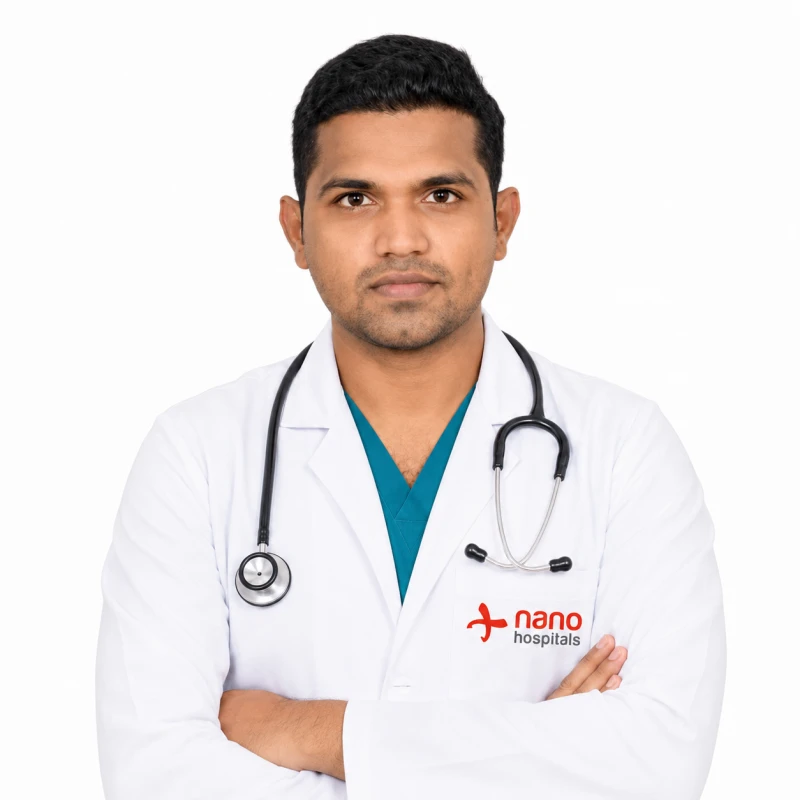
Dr. Abhiram
MBBS, MS in General Surgery.
KMC: 122777
Consultant General Surgeon
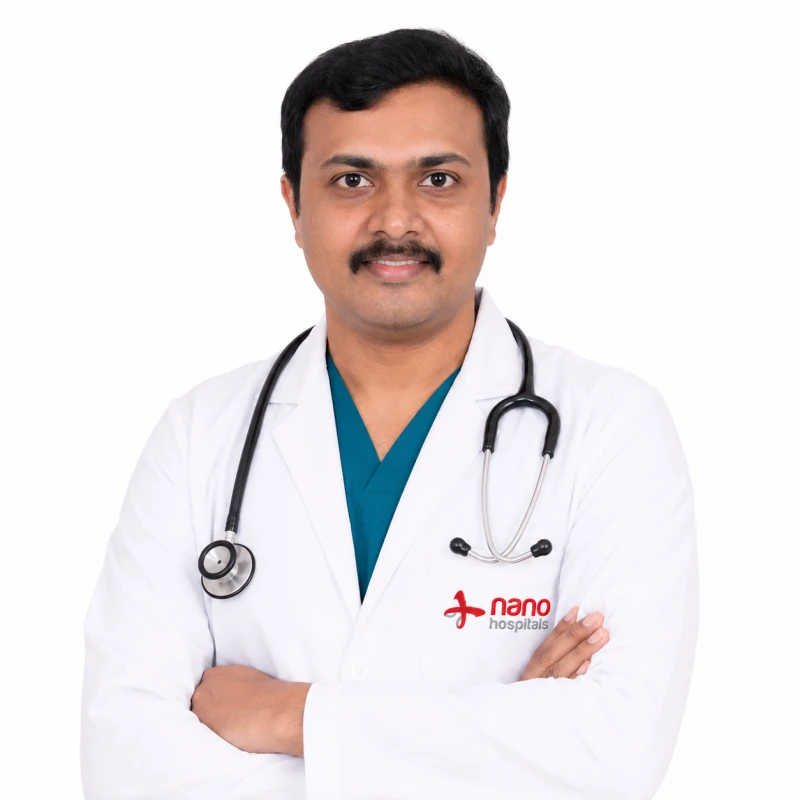
Dr. Anantha Krishna M A
Mbbs Ms Gen Surgery Fsge Fiages
KMC: 85130
Consultant Surgical Gastroenterology surgeon
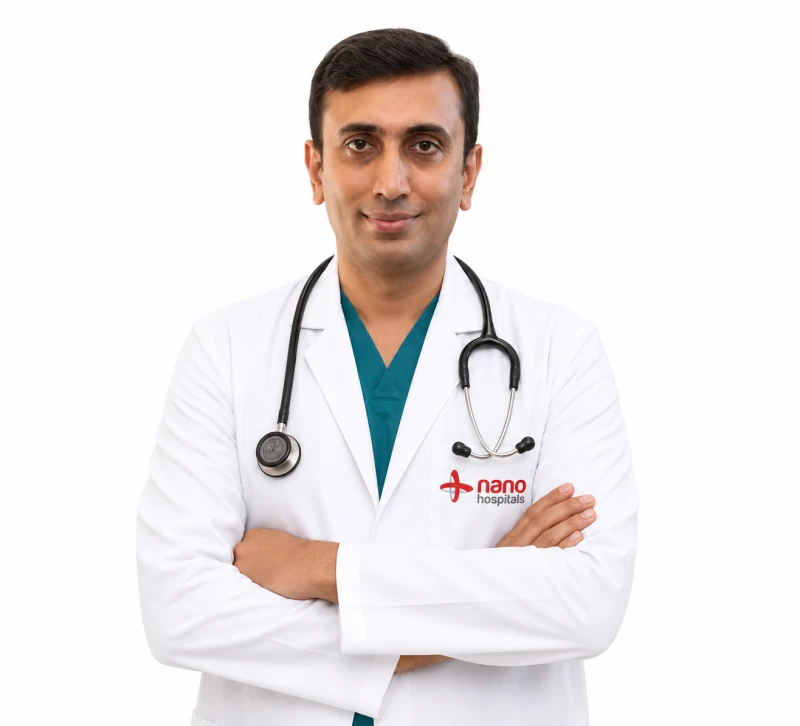
Dr. Niranjan P
MBBS, DNB - General Surgery
KMC: 72600
Consultant General Surgeon
Prefer WhatsApp for Hernia Repair (Open / Laparoscopic / Mesh) enquiries? Chat with our orthopedic team during working hours for quick assistance.
