





Laparoscopic / Minimally Invasive Surgery Towers
About Laparoscopic / Minimally Invasive Surgery Towers
Laparoscopic or minimally invasive surgery towers are advanced surgical systems used to perform surgeries through small incisions using specialized cameras, monitors, and instruments. These systems improve surgical precision while reducing pain, bloo...
Laparoscopic or minimally invasive surgery towers are advanced surgical systems used to perform surgeries through small incisions using specialized cameras, monitors, and instruments. These systems improve surgical precision while reducing pain, blood loss, and recovery time.
Overview
A laparoscopic tower usually includes: High-definition camera systems Light source units Video monitors Insufflators for gas supply Recording systems The setup allows surgeons to perform procedures such as: Appendectomy Gallbladder surgery Hernia repair Gynecological procedures Colorectal surgery Minimally invasive surgery provides better cosmetic outcomes and shorter hospital stays compared to open surgery.
Understanding The Procedure
Symptoms That May Require Laparoscopic / Minimally Invasive Surgery Towers
- ⦾ Abdominal pain requiring surgery
- ⦾ Gallstones or appendicitis
- ⦾ Hernia-related swelling or pain
- ⦾ Gastrointestinal surgical disorders
- ⦾ Conditions requiring diagnostic laparoscopy
Recovery & Outlook
Laparoscopic surgery generally provides faster recovery, reduced postoperative pain, shorter hospitalization, and improved overall patient satisfaction.
Risks
- ⦾ Bleeding or infection
- ⦾ Injury to nearby organs
- ⦾ Gas-related abdominal discomfort
- ⦾ Rare conversion to open surgery
- ⦾ Equipment-related technical issues
Post-Operative Care
- ⦾ Encourage early walking and mobilization
- ⦾ Maintain wound cleanliness carefully
- ⦾ Follow dietary advice as recommended
- ⦾ Avoid heavy lifting temporarily
- ⦾ Attend regular postoperative follow-up visits
Doctors Who Perform Laparoscopic / Minimally Invasive Surgery Towers
Meet experienced general surgery doctors who regularly evaluate and perform laparoscopic / minimally invasive surgery towers.

Dr. Abhiram
MBBS, MS in General Surgery.
KMC: 122777
Consultant General Surgeon
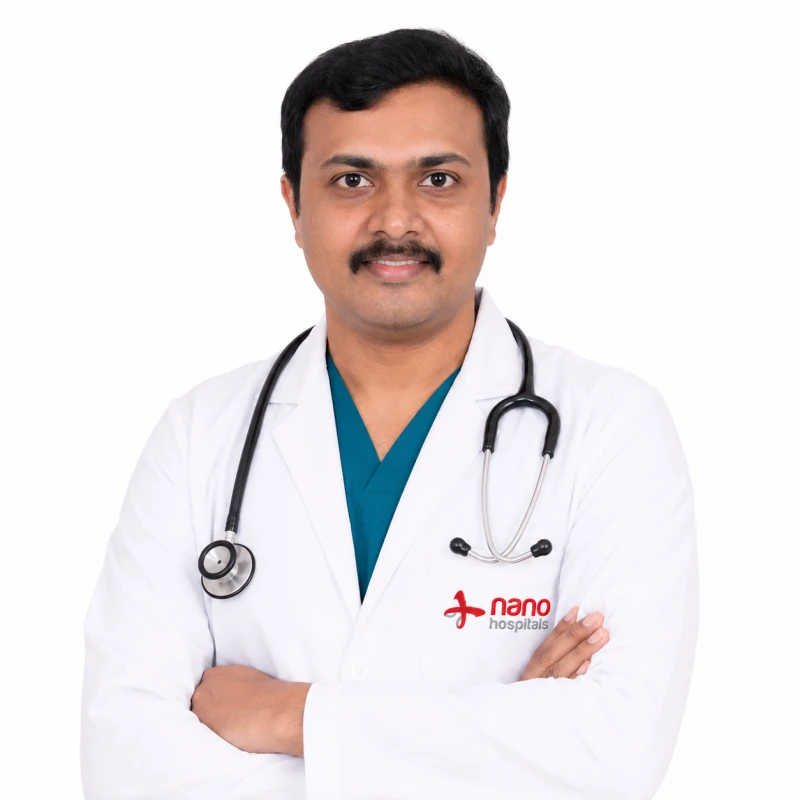
Dr. Anantha Krishna M A
Mbbs Ms Gen Surgery Fsge Fiages
KMC: 85130
Consultant Surgical Gastroenterology surgeon

Dr. Niranjan P
MBBS, DNB - General Surgery
KMC: 72600
Consultant General Surgeon
Prefer WhatsApp for Laparoscopic / Minimally Invasive Surgery Towers enquiries? Chat with our orthopedic team during working hours for quick assistance.