




Management of Drug Reactions & Allergic Dermatoses
About Management of Drug Reactions & Allergic Dermatoses
Overview
Understanding The Procedure
Symptoms That May Require Management of Drug Reactions & Allergic Dermatoses
- ⦾ Red skin rashes or hives
- ⦾ Itching, burning, or skin irritation
- ⦾ Swelling of the skin, lips, or eyes
- ⦾ Blisters, peeling skin, or painful lesions
- ⦾ Fever or flu-like symptoms associated with severe reactions
Recovery & Outlook
The long-term outlook for drug reactions and allergic dermatoses is generally positive when triggers are identified and avoided appropriately. Most mild reactions improve with timely treatment and supportive care, while severe reactions may require intensive medical management. Ongoing medical follow-up, allergy awareness, and preventive strategies are important for reducing recurrence and maintaining long-term skin health.
Risks
- ⦾ Severe allergic skin reactions or widespread inflammation
- ⦾ Skin infections due to damaged skin barriers
- ⦾ Breathing difficulty or anaphylactic reactions in severe cases
- ⦾ Long-term skin discoloration or scarring
- ⦾ Recurrence of allergic reactions with repeat exposure
- ⦾ Treatment Options
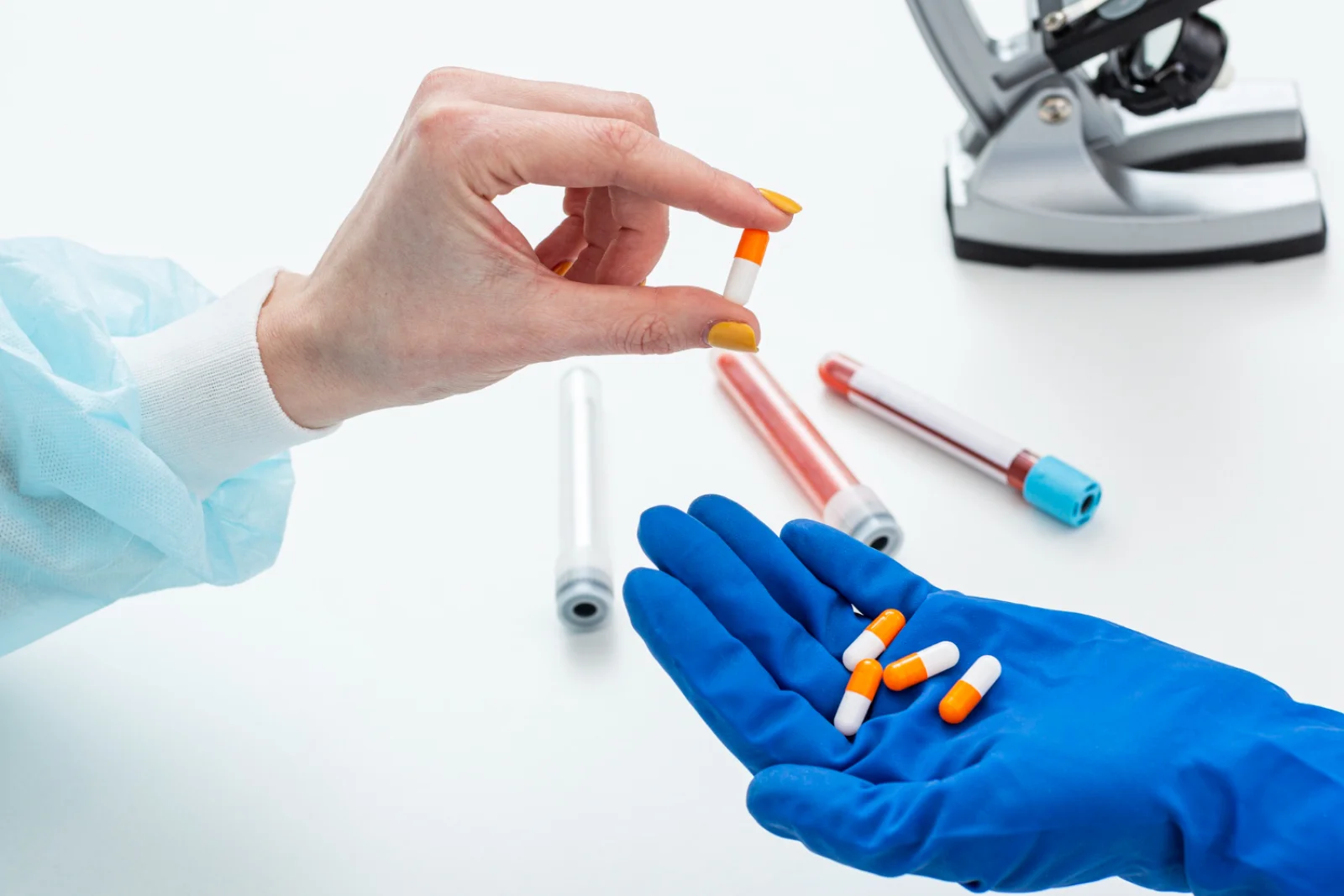
- ⦾ Treatment options for drug reactions and allergic dermatoses focus on identifying and eliminating the triggering substance while controlling inflammation and relieving symptoms. The first step often involves stopping the suspected medication or avoiding the allergen responsible for the reaction. Mild allergic reactions may be managed with antihistamines, soothing moisturizers, and topical corticosteroids to reduce itching and inflammation. More severe reactions may require oral or injectable corticosteroids, immunosuppressive medications, intravenous fluids, or emergency medical care in cases involving breathing difficulty or widespread skin involvement. Supportive skincare, hydration, infection prevention, and regular dermatologic monitoring are important parts of recovery and long-term management.
Post-Operative Care
- ⦾ Avoidance of known allergens or triggering medications
- ⦾ Regular use of prescribed medications and supportive skincare
- ⦾ Monitoring for worsening symptoms or secondary infections
- ⦾ Hydration, nutrition, and skin protection measures
- ⦾ Allergy evaluation and dermatologic follow-up care
Doctors Who Perform Management of Drug Reactions & Allergic Dermatoses
Meet experienced dermatology doctors who regularly evaluate and perform management of drug reactions & allergic dermatoses.

Dr. Ranjini Gunaseelan
MBBS and an MD in Dermatology
KMC: 0000503
Consultant Dermatologist

Dr Vani Yepuri
MBBS,DDVL, FRGUHS, Fellowship In Medical Cosmetology
KMC: 93598
Consultant Dermatologist And Asthetician
Prefer WhatsApp for Management of Drug Reactions & Allergic Dermatoses enquiries? Chat with our orthopedic team during working hours for quick assistance.