




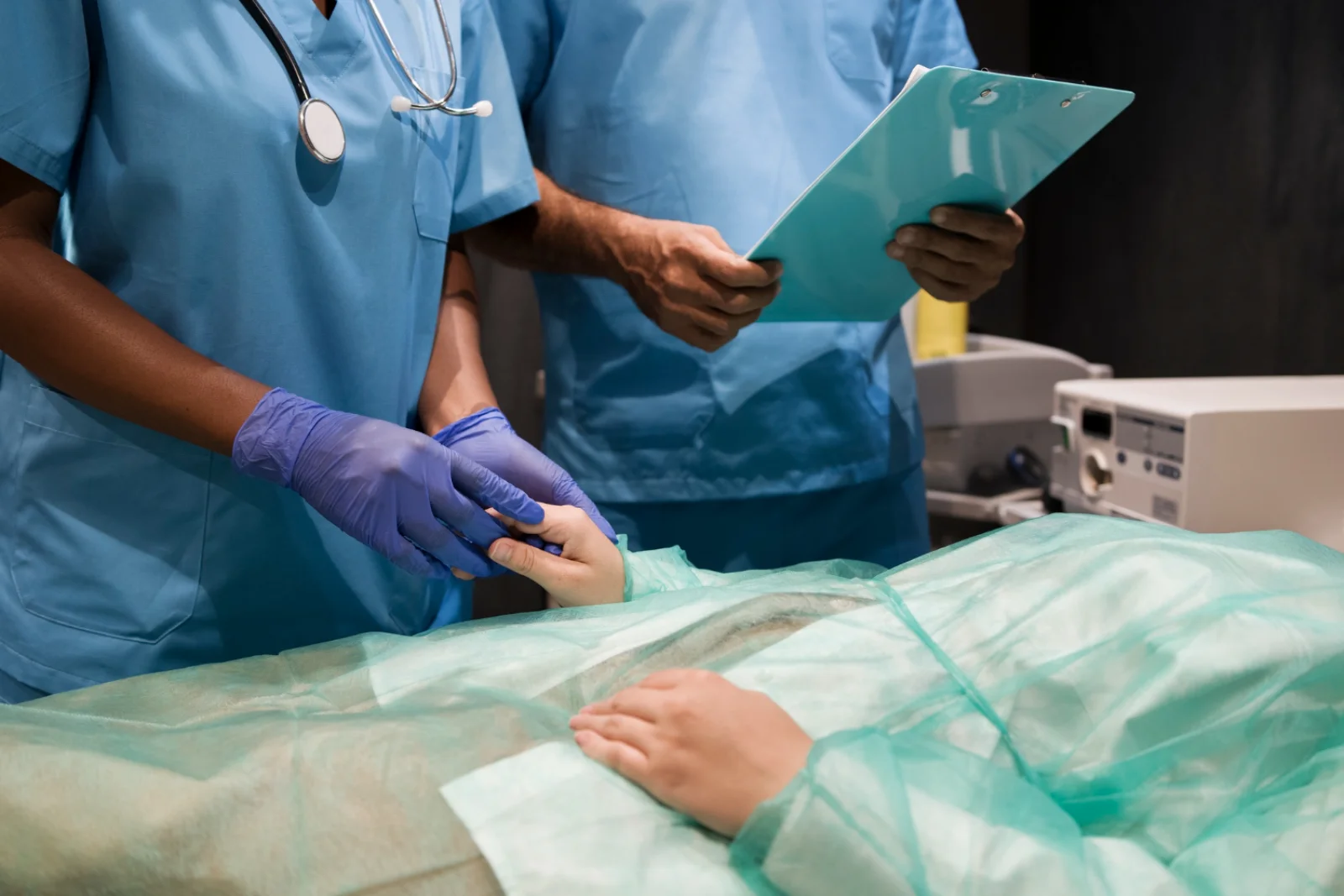
Management of Neurosurgical Trauma
About Management of Neurosurgical Trauma
Management of neurosurgical trauma involves specialized emergency treatment for injuries affecting the brain, skull, spine, and nervous system. These injuries may result from road accidents, falls, sports injuries, or violence. Rapid diagnosis and in...
Management of neurosurgical trauma involves specialized emergency treatment for injuries affecting the brain, skull, spine, and nervous system. These injuries may result from road accidents, falls, sports injuries, or violence. Rapid diagnosis and intervention are essential to reduce neurological damage and improve survival.
Overview
Trauma management includes: Emergency neurological evaluation Brain and spinal imaging Surgical stabilization Intracranial pressure monitoring ICU coordination Rehabilitation planning Conditions commonly treated include: Head injury Skull fractures Brain hemorrhage Spinal cord trauma Nerve injuries Multidisciplinary teams work together to provide critical neurological care.
Understanding The Procedure
Symptoms That May Require Management of Neurosurgical Trauma
- ⦾ Loss of consciousness
- ⦾ Severe head or spinal pain
- ⦾ Weakness or paralysis
- ⦾ Seizures
- ⦾ Confusion or memory loss
Recovery & Outlook
Comprehensive neurosurgical trauma care improves survival and neurological recovery. Long-term outcomes depend on trauma severity and rehabilitation progress.
Risks
- ⦾ Brain swelling
- ⦾ Permanent disability
- ⦾ Respiratory complications
- ⦾ Infection
- ⦾ Death in severe trauma
Post-Operative Care
- ⦾ Continue intensive neurological monitoring
- ⦾ Attend rehabilitation programs regularly
- ⦾ Follow medication schedules carefully
- ⦾ Monitor neurological recovery closely
- ⦾ Attend long-term neurosurgical follow-up
Prefer WhatsApp for Management of Neurosurgical Trauma enquiries? Chat with our orthopedic team during working hours for quick assistance.