




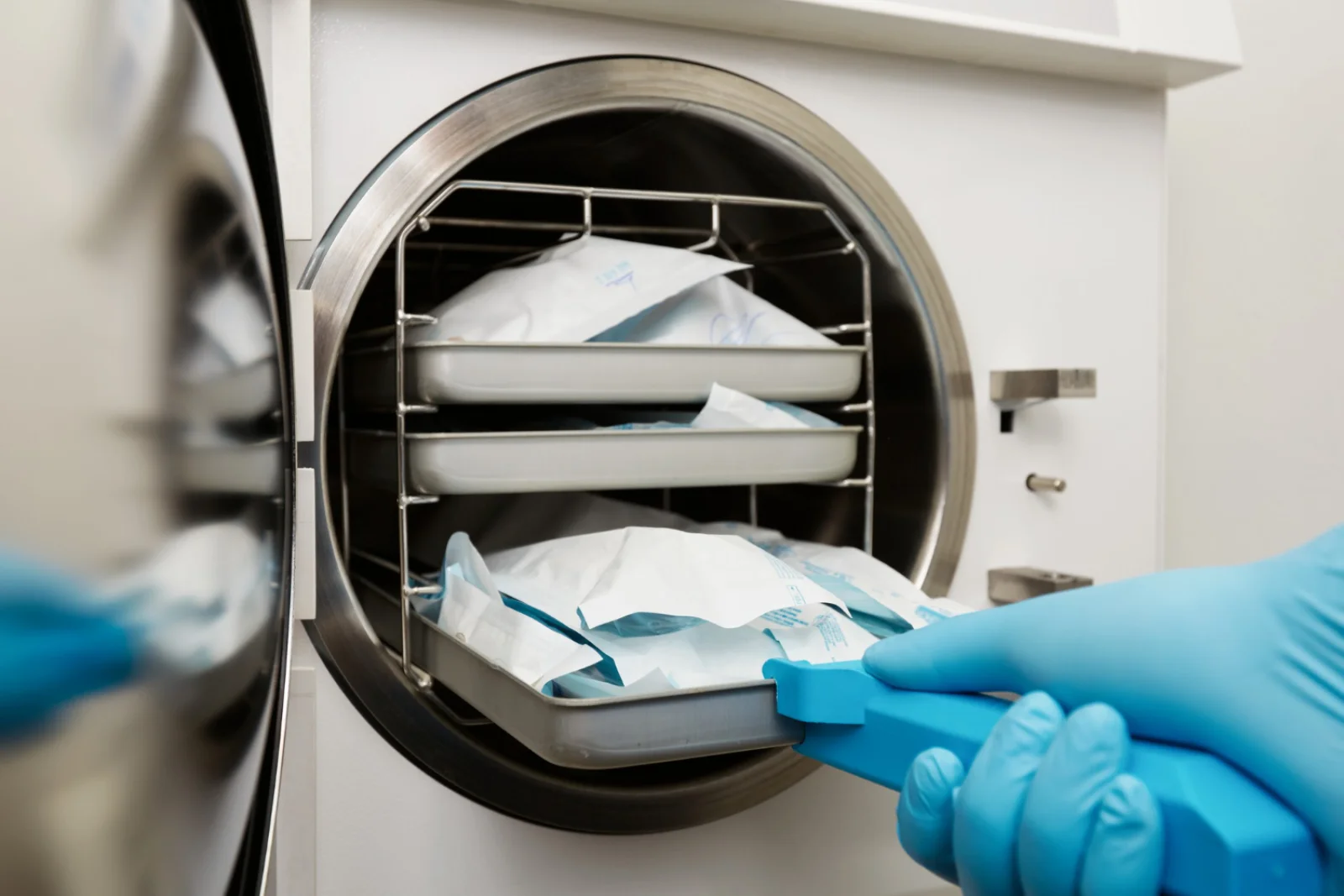
Sterilization & Infection Control Setup
About Sterilization & Infection Control Setup
Sterilization and infection control setup refers to the specialized infrastructure, equipment, protocols, and safety systems designed to prevent contamination and reduce the risk of infection in healthcare facilities. These setups are essential in dental clinics, operation theatres, oral and maxillofacial surgery units, burn care centers, and hospital environments to ensure patient safety and maintain sterile clinical practices.
Overview
A comprehensive sterilization and infection control setup includes sterilization rooms, autoclaves, disinfection systems, instrument processing areas, biomedical waste management systems, and infection monitoring protocols. These systems are used to sterilize surgical instruments, maintain aseptic environments, prevent cross-contamination, and comply with healthcare safety standards. Proper infection control measures are critical for reducing healthcare-associated infections and supporting safe surgical and clinical outcomes. Steam autoclaves and low-temperature sterilization units Ultrasonic cleaners and instrument disinfection systems Sterile storage cabinets and packaging systems Hand hygiene stations and PPE supplies Biomedical waste segregation and disposal systems
Understanding The Procedure
Symptoms That May Require Sterilization & Infection Control Setup
- ⦾ Persistent symptoms related to the condition treated by Sterilization & Infection Control Setup
- ⦾ Pain, discomfort, or functional limitation affecting daily activities
- ⦾ Symptoms that continue despite medicines or conservative care
- ⦾ Progressive or recurrent complaints needing definitive specialist treatment
- ⦾ Clinical findings on examination or investigations that indicate procedural care
Recovery & Outlook
A well-established sterilization and infection control setup significantly improves patient safety, reduces infection risk, supports surgical success, and enhances overall healthcare quality. Continuous advancements in sterilization technology, infection monitoring systems, and healthcare safety protocols continue to improve operational efficiency, regulatory compliance, and long-term clinical outcomes.
Risks
- ⦾ Cross-contamination due to improper sterilization practices
- ⦾ Spread of healthcare-associated infections
- ⦾ Equipment malfunction affecting sterility maintenance
- ⦾ Need for continuous staff training and protocol compliance
- ⦾ Requirement for regular monitoring, validation, and quality control
Doctors Who Perform Sterilization & Infection Control Setup
Meet experienced general surgery doctors who regularly evaluate and perform sterilization & infection control setup.

Dr. Abhiram
MBBS, MS in General Surgery.
KMC: 122777
Consultant General Surgeon

Dr. Anantha Krishna M A
Mbbs Ms Gen Surgery Fsge Fiages
KMC: 85130
Consultant Surgical Gastroenterology surgeon

Dr. Niranjan P
MBBS, DNB - General Surgery
KMC: 72600
Consultant General Surgeon
Prefer WhatsApp for Sterilization & Infection Control Setup enquiries? Chat with our orthopedic team during working hours for quick assistance.