





Treatment of Urinary Incontinence (Surgical/Non-Surgical)
About Treatment of Urinary Incontinence (Surgical/Non-Surgical)
Urinary incontinence treatment includes medical, lifestyle, physiotherapy, and surgical approaches to improve bladder control.
Overview
Treatment depends on the type and severity of incontinence.
Understanding The Procedure
Symptoms That May Require Treatment of Urinary Incontinence (Surgical/Non-Surgical)
- ⦾ Leakage of urine
- ⦾ Sudden urge to urinate
- ⦾ Frequent urination
- ⦾ Night-time urine leakage
- ⦾ Loss of bladder control during coughing or sneezing
Recovery & Outlook
Most patients experience improved bladder control with treatment.
Risks
- ⦾ Medication side effects
- ⦾ Infection after surgery
- ⦾ Temporary urinary retention
- ⦾ Persistent leakage in severe cases
- ⦾ Skin irritation from urine leakage
Post-Operative Care
- ⦾ Perform pelvic floor exercises regularly
- ⦾ Avoid bladder irritants such as caffeine
- ⦾ Maintain healthy body weight
- ⦾ Take medications as advised
- ⦾ Attend regular follow-up consultations
Conclusion
Urinary incontinence treatments improve quality of life and bladder control.
Doctors Who Perform Treatment of Urinary Incontinence (Surgical/Non-Surgical)
Meet experienced urology doctors who regularly evaluate and perform treatment of urinary incontinence (surgical/non-surgical).

Dr Santosh Kumar Subudhi
MBBS,MS,DNB (General Surgery)
KMC: 0000026
Consultant Urologist
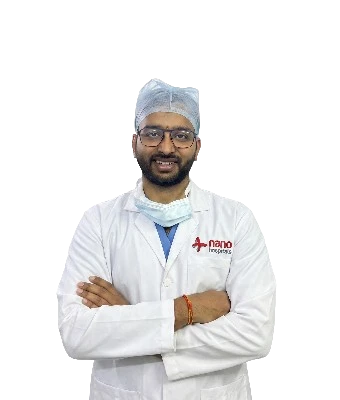
Dr Dhruva H M
MBBS,MS,DNB,MCh
KMC: 117557
Consultant Urologist and Andrologist

Dr Sharath C T
MBBS, MS – General Surgery, DNB – Urology/Genito-Urinary Surgery
KMC: 95039
Consultant Urologist and Andrologist
Prefer WhatsApp for Treatment of Urinary Incontinence (Surgical/Non-Surgical) enquiries? Chat with our orthopedic team during working hours for quick assistance.
