




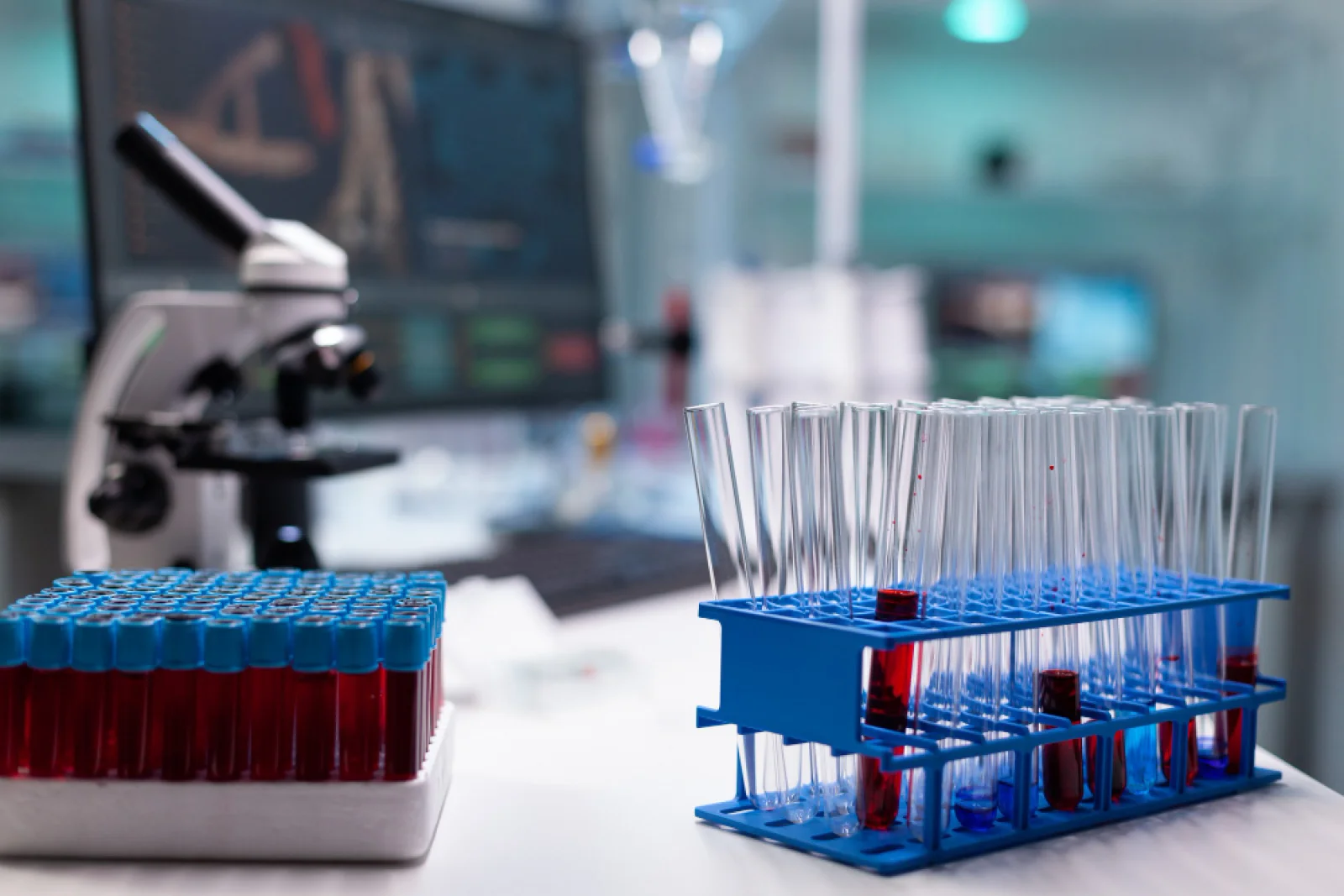
Diagnostics & Laboratory Medicine
Comprehensive, evidence-based care delivered by experienced specialists using advanced medical technology.
BOOK APPOINTMENTAbout the Department
Diagnostics & Laboratory Medicine at Nano Hospitals provide accurate and timely testing that supports disease detection, treatment planning, and health monitoring. These services form the foundation of modern medical care, helping clinicians make evidence-based decisions.
Many illnesses show internal changes before symptoms become obvious. Laboratory testing helps detect infections, metabolic disorders, organ dysfunction, nutritional deficiencies, and chronic diseases at early stages. At Nano Hospitals, diagnostic services focus on precision, reliability, and quick turnaround times.
All tests are conducted using standardised protocols, automated analyzers, and strict quality control measures. Reports are interpreted by qualified pathologists and shared securely with treating physicians for integrated care
Best Diagnostics & Laboratory Medicine Hospital in Bangalore
Diagnostic laboratories analyze blood, urine, tissue, and other body samples to assess overall health and identify disease. Regular testing is essential for preventive care, chronic disease monitoring, and emergency evaluation.
Nano Hospitals emphasises accuracy, hygiene, and fast reporting to support prompt medical decisions.
Procedures & Treatments
Routine Laboratory Tests
Complete Blood Count (CBC)
Blood sugar and diabetes testing
Liver and kidney function tests
Lipid profile for cholesterol levels
Urine analysis
Specialized Diagnostic Tests
Thyroid and hormone testing
Vitamin and nutritional deficiency tests
Infection screening (viral, bacterial, parasitic)
Allergy testing
Autoimmune disorder panels
Advanced Diagnostic Services
Histopathology and biopsy analysis
Cytology testing (Pap smear, fluid analysis)
Microbiology cultures and sensitivity testing
Molecular diagnostics and PCR testing
Tumor marker testing
Risks & Challenges
Strict sterilisation and infection control
Regular calibration of laboratory equipment
Internal and external quality assurance programs
Accurate sample identification and tracking
Confidential handling of patient reports
Sub-specialties in Diagnostics & Laboratory Medicine
Clinical Biochemistry
Hematology
Microbiology
Histopathology
Cytology
Molecular Diagnostics
Frequently Asked Questions
What services are provided under Diagnostics & Laboratory Medicine? +
Diagnostics & Laboratory Medicine includes a wide range of investigations such as blood tests, urine tests, biochemical tests, hormone testing, infection screening, imaging support, and other specialised diagnostic investigations.
Why are laboratory tests important for diagnosis? +
Laboratory tests provide objective information about a patient's health and help doctors detect diseases, identify abnormalities, assess risk factors, and monitor the response to treatment.
What are the most common laboratory tests? +
Common tests include complete blood count (CBC), blood glucose, HbA1c, liver and kidney function tests, lipid profile, thyroid tests, urine examination, and tests for infections and nutritional deficiencies.
Do all diagnostic tests require a doctor's prescription? +
The requirement depends on the type of investigation. Some routine health-screening tests may be available without a prescription, while specialised or condition-specific tests may require a doctor's recommendation.
Do I need to fast before a blood test? +
Some blood tests, such as certain glucose and lipid tests, may require fasting, while many others do not. Your healthcare provider or laboratory team will advise you about any preparation required.
How long does it take to receive laboratory test results? +
The turnaround time varies depending on the investigation. Routine tests may be available relatively quickly, while specialised tests can require additional processing and may take longer.
Can laboratory tests be used for routine health check-ups? +
Yes. Laboratory investigations are an important part of preventive health check-ups and can help identify conditions such as diabetes, anaemia, thyroid disorders, abnormal cholesterol levels, and other health concerns at an early stage.
Are diagnostic tests useful for monitoring chronic diseases? +
Yes. Regular laboratory testing can help monitor conditions such as diabetes, kidney disease, liver disorders, thyroid problems, and other chronic conditions and can help doctors adjust treatment when necessary.
How does Nano Hospitals ensure accurate diagnostic results? +
Nano Hospitals follows standardised laboratory procedures for sample collection, processing, testing, and reporting, supported by modern diagnostic equipment and quality-control practices.
How can I book a diagnostic or laboratory test at Nano Hospitals? +
You can book a diagnostic or laboratory test at Nano Hospitals by contacting the hospital or using the online appointment booking option at diagnostics laboratory medicine. Our team can guide you regarding the required test, preparation, availability, and preferred date and time.
Chat with us on WhatsApp
Have questions about Diagnostics & Laboratory Medicine at Nano Hospitals? Message us and we will connect you with the right team. Choose your nearest location.
