



Back Pain: What Causes It and When Should You See an Orthopedic Doctor?
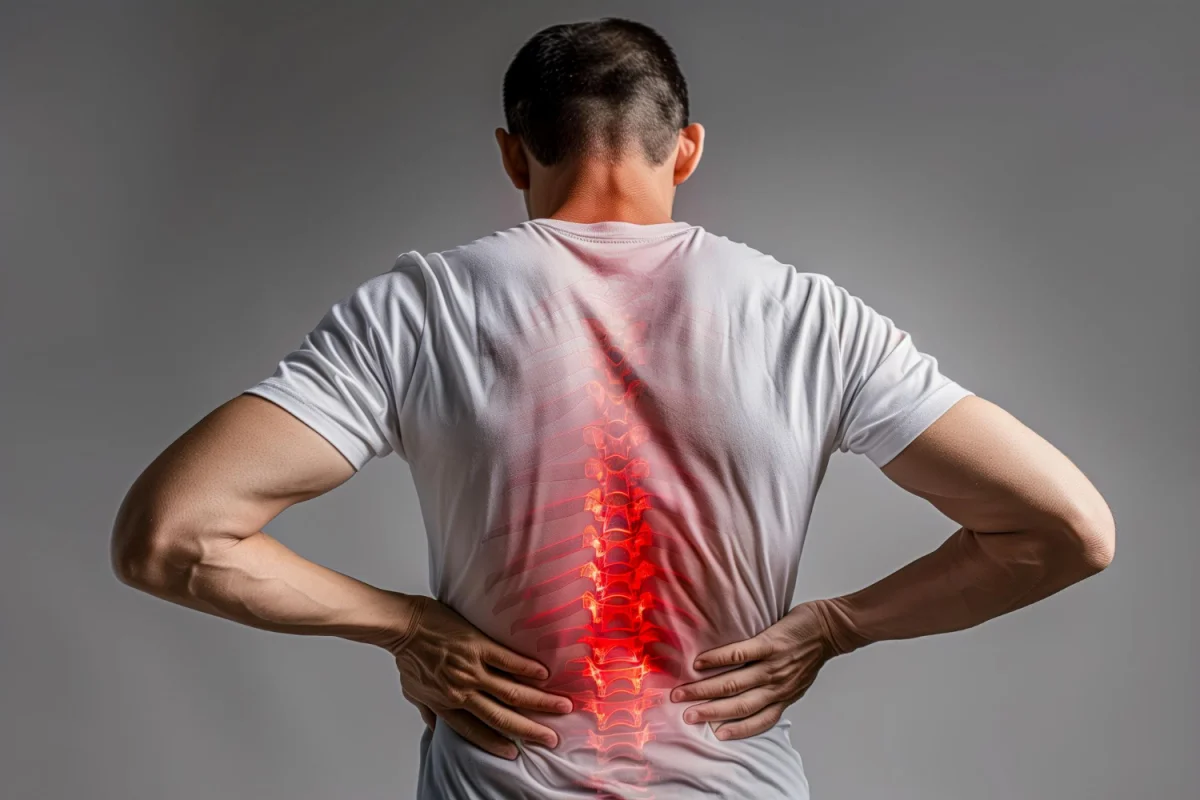
Back pain can make ordinary activities such as sitting at a desk, bending to pick something up, walking, or getting out of bed unexpectedly difficult. For some people, the discomfort begins after lifting a heavy object or spending hours in one position. For others, it develops gradually or keeps returning without an obvious reason.
Although many episodes of back pain improve with appropriate care, the right approach depends on the cause, severity, duration, and symptoms that accompany it. Muscle strain may require a different approach from a disc problem or irritation of a spinal nerve.
Understanding the pattern of your pain can help you decide what to do next. Persistent discomfort, pain that travels into the leg, or symptoms that interfere with daily activities may need medical assessment. Certain warning signs, particularly changes in bladder or bowel function or severe neurological symptoms, require immediate attention.
At Nano Hospitals, Orthopedics (Bone & Joint Care) includes specialist care for musculoskeletal conditions. The hospital also lists Back and Neck Pain, Spinal Surgery, and Physiotherapy & Rehabilitation among its areas of care.
This guide explains common back pain causes, symptoms to watch for, available treatment approaches, and when to consult an orthopedic doctor.
What Causes Back Pain?
Back pain can develop when muscles, ligaments, spinal discs, joints, or nerves become irritated or injured. In some cases, the cause is not immediately clear, and several factors may contribute to the discomfort.
- Muscle or ligament strain
- Repeated bending, lifting, or twisting
- Prolonged sitting or limited movement
- Sports-related injuries
- Disc-related problems
- Sciatica or spinal nerve irritation
- Arthritis and age-related spinal changes
- Certain inflammatory conditions
Less commonly, back pain may be associated with infection, a fracture, or another underlying medical condition.
Why does the same activity cause pain in some people but not others?
Back pain does not always result from a single movement or activity. A person who lifts a heavy box may develop discomfort because of the load, the way they move, fatigue, previous injury, or a combination of these factors.
Similarly, sitting for long periods may aggravate symptoms in one person but cause no problems for another.
This is why identifying the underlying cause is more useful than assuming that poor posture, age, or one particular activity explains every episode of back pain.
If the pain is persistent, repeatedly returns, or comes with other symptoms, a healthcare professional can assess whether further investigation is needed.
What Is Lower Back Pain?
Lower back pain affects the lumbar region, which supports much of the body's weight and helps with bending, standing, walking, and lifting.
It may feel like a dull ache, stiffness, or a sharp pain during certain movements. Sometimes, discomfort stays around the lower back. In other cases, it extends into the buttocks or legs
Common symptoms include:
- Aching or stiffness in the lower back
- Pain when bending or straightening
- Discomfort after sitting for a long time
- Pain while standing or walking
- Difficulty lifting objects
- Muscle tightness
- Pain extending into the buttocks or legs
The timing of the pain can offer useful clues. For example, discomfort that begins after an unfamiliar physical activity may be related to muscle strain. Pain that travels down the leg, particularly with tingling or numbness, may indicate nerve involvement.
However, these patterns do not establish a diagnosis on their own.
If lower back pain repeatedly interrupts sleep, makes walking difficult, or prevents you from performing routine tasks, consider seeking medical advice rather than continuing to manage it without an assessment.
What Are the Symptoms of Back Pain?
Back pain symptoms vary according to the structures involved and the underlying cause.
Some people experience localized discomfort, while others notice symptoms extending beyond the back
Possible symptoms include:
- Dull, aching pain
- Sharp or stabbing discomfort
- Muscle tightness
- Stiffness or reduced flexibility
- Pain during bending or twisting
- Burning discomfort
- Pain travelling into a buttock or leg
- Tingling or numbness
- Muscle weakness
Pay attention to how the symptoms change over time. Mild stiffness that improves with movement is different from pain that becomes progressively worse or is accompanied by new weakness.
Pain intensity alone does not always indicate how serious a condition is. The location, duration, associated symptoms, and effect on daily functioning also matter.
For example, a person may describe their back pain as moderate but have new numbness and weakness in one leg. Those neurological symptoms deserve assessment even if the pain itself is not extreme.
Back Pain and Sciatica: What Is the Difference?
Sciatica describes pain caused by irritation or compression involving the sciatic nerve or its nerve roots. It commonly produces symptoms that travel from the lower back or buttock down one leg.
Depending on the cause, symptoms may include:
- Pain extending into the buttock or leg
- Burning or shooting discomfort
- Tingling
- Numbness
- Weakness in the affected leg
Sciatica is not simply another term for lower back pain. A person can have back pain without sciatica, and sciatica can occur with relatively little back discomfort.
A disc problem is one possible cause, but other conditions can also irritate the nerves.
If pain travels down the leg and keeps returning, affects walking, or is accompanied by numbness or weakness, consult a healthcare professional. An examination can help determine whether a nerve is involved and what treatment may be appropriate.
Important: New bladder or bowel control problems, numbness around the groin or genital region, or rapidly developing leg weakness alongside back pain require emergency medical assessment.
Can Sitting for Long Periods Cause Back Pain?
Long periods of sitting can contribute to back discomfort, particularly when movement breaks are infrequent. This may be relevant to people who work at desks, drive for long periods, or spend much of the day using a computer.
However, sitting posture is not the only factor. Physical conditioning, previous injuries, work demands, stress, and underlying spinal conditions can also influence symptoms.
If you work at a desk, a few practical changes may help:
- Stand up and move around regularly.
- Adjust your chair and desk so that you can work comfortably.
- Adjust your chair and desk so that you can work comfortably.
- Change positions rather than trying to maintain one rigid posture throughout the day.
- Include suitable physical activity in your routine.
- Avoid ignoring discomfort that becomes persistent or progressively worse.
There is no single sitting position that prevents all back pain. The goal is to find comfortable positions, vary your movement, and avoid staying in one position for unnecessarily long periods.
If discomfort continues despite these changes, an assessment may help identify other contributing factors.
Can Heavy Lifting Cause Back Pain?
Yes. Lifting a heavy object can strain the muscles and ligaments around the back, particularly when the movement involves sudden bending or twisting.
The likelihood of discomfort may increase when the load is heavier than expected, the movement is awkward, or the person is fatigued or unprepared for the activity.
To reduce unnecessary strain:
- Assess the load before lifting it.
- Keep the object close to your body.
- Move in a controlled manner rather than twisting suddenly.
- Ask for assistance with heavy or awkward objects.
- Stop if you develop significant pain during the movement.
If back pain begins after lifting, avoid repeatedly testing the painful movement or immediately returning to strenuous activity.
Severe pain, pain extending into the leg, new numbness, or weakness may require medical evaluation. If the incident involved significant trauma or symptoms suggest a serious injury, seek urgent care.
When Should You See a Doctor for Back Pain?
Not every episode of back pain requires specialist treatment. However, it is worth arranging a medical consultation when symptoms persist, recur, worsen, or interfere with your everyday routine.
Consider seeing a doctor if:
- Pain continues for several weeks.
- The discomfort keeps returning.
- Pain is becoming progressively worse.
- You have difficulty walking, bending, or performing daily tasks.
- Back pain repeatedly interrupts sleep.
- Pain travels down one or both legs.
- You notice muscle weakness.
- Pain follows an injury.
- You have concerns about the underlying cause.
You should also seek prompt medical assessment if back pain occurs with fever, chills, unexplained weight loss, or a general feeling of being seriously unwell.
These symptoms do not automatically indicate a serious condition, but they may change the type and urgency of the evaluation required.
If you have a history of cancer, osteoporosis, significant immune suppression, or long-term steroid use, tell your doctor. These details can affect how back pain is assessed.
An orthopedic consultation may be appropriate when pain is persistent, recurrent, associated with an injury, affecting movement, or potentially related to a spinal or musculoskeletal problem.
Back Pain Treatment: What Are the Options?
There is no single treatment that works for every cause of back pain. The most appropriate approach depends on the diagnosis, symptom severity, medical history, and effect on daily activities.
Treatment may involve activity adjustments, physiotherapy, suitable medication, rehabilitation, or specialist procedures in selected cases.
1. Staying Gently Active
For many uncomplicated episodes, gentle movement is preferable to prolonged bed rest.
Short walks and a gradual return to usual activities may help maintain mobility. However, the activity should be appropriate for the symptoms and should not be forced through severe or worsening pain.
If movement causes significant pain, new weakness, or other concerning symptoms, stop and seek medical advice.
2. Physiotherapy and Rehabilitation
Physiotherapy may help people improve strength, flexibility, mobility, and functional movement.
Depending on the diagnosis, a physiotherapist may recommend exercises, movement training, gradual conditioning, and guidance on returning to work or everyday activities.
The programme should be individualized. Exercises that help one person may not be appropriate for someone with a different spinal condition or an acute injury.
Rehabilitation is not limited to people recovering from surgery. It may also form part of non-surgical back pain management when clinically appropriate.
3. Medicines for Pain Relief
A doctor may recommend medication depending on the cause of the pain, its severity, and the person's medical history.
The safest option can differ according to age, kidney function, stomach health, heart conditions, other medications, and other health concerns.
Avoid repeatedly taking pain medicines without professional advice. Some medicines can cause side effects or interact with existing treatment.
If you find yourself needing pain relief frequently, seek an assessment rather than relying on medication alone.
4. Heat or Cold
Heat or cold may provide temporary relief for some types of back discomfort.
A wrapped cold pack may help after certain recent injuries, while gentle heat may help some people with muscle tightness. Neither option is appropriate for every condition, and they do not replace medical evaluation when warning signs are present.
Avoid placing extreme heat or ice directly on the skin, and stop if the treatment causes irritation or worsens discomfort.
5. Lifestyle and Movement Changes
Depending on the cause, a treatment plan may include:
Regular physical activity
Gradual strengthening exercises
Taking movement breaks during desk work
Improving work ergonomics
Learning appropriate lifting techniques
Maintaining a healthy body weight
Returning to activity gradually after an injury
These measures may support recovery and help reduce contributing factors. They should not be treated as a guaranteed way to prevent every episode of back pain.
6. Procedures or Surgery
Most back pain does not require surgery.
However, selected conditions involving spinal structures or nerves may require a specialist to consider procedural or surgical treatment. This decision depends on the diagnosis, severity, response to non-surgical treatment, and presence of neurological problems.
New or worsening neurological symptoms require prompt assessment rather than waiting to see whether routine treatment works.
Are Back Pain Belts and Support Braces Helpful?
Back pain belts are often marketed as a way to support the lower back during daily activities or lifting. However, a belt is not a universal solution for every type of back pain.
Whether a brace is appropriate depends on the underlying condition and the reason for using it. In some situations, a healthcare professional may recommend specific support; in others, a belt may not address the main cause of the pain.
If you are considering a back pain belt for women or men, consult an orthopedic professional or physiotherapist before relying on it as your primary treatment.
Ask what the belt is expected to achieve, how it should be used, and whether other measures are needed.
The key question is not simply how to support the back, but why the pain is occurring and which treatment is suitable for that cause.
Which Back Pain Tablet Should You Take?
Searching online for a back pain tablet is common when discomfort affects work, sleep, or movement. However, there is no single medicine that is appropriate for everyone.
The choice depends on several factors, including:
The likely cause of the pain
Symptom severity
Age and medical history
Other medicines being taken
Kidney and stomach health
Heart conditions
Possible pregnancy
Other underlying health conditions
Some pain medicines can cause side effects or may not be suitable for people with particular medical conditions.
Avoid combining medicines or increasing doses without checking with a healthcare professional. If pain keeps returning or you need frequent medication, arrange an assessment to identify the cause and review the treatment plan.
Can Back Pain Be Prevented?
Not every episode of back pain can be prevented. Injuries, medical conditions, and individual factors can still contribute. However, certain habits may support back health and reduce avoidable strain.
Stay active: Regular movement helps maintain general strength and mobility.
Build strength gradually: Appropriate exercises can improve physical conditioning and support everyday movement.
Lift carefully: Assess heavy objects before lifting and avoid sudden, uncontrolled twisting.
Take movement breaks: If your work involves sitting for long periods, change positions and move around regularly.
Adjust your workspace: A comfortable desk and chair arrangement may reduce unnecessary strain during prolonged work.
Respond to recurring symptoms: Repeated episodes should not automatically be dismissed as poor posture or tired muscles. If pain keeps returning, consider a medical assessment.
The aim is not to maintain perfect posture or avoid every movement that might cause discomfort. It is to build sustainable movement habits and recognize when pain requires further attention.
Orthopedic and Bone & Joint Care at Nano Hospitals
Nano Hospitals provides Orthopedics (Bone & Joint Care) as a dedicated specialty. Its listed areas of care include Back and Neck Pain and Spinal Surgery.
The hospital's orthopedic services also cover areas such as general orthopedics, spine care, arthroscopy, joint replacement, and reconstructive surgery.
For people experiencing persistent lower back pain, recurrent discomfort, or symptoms that may involve the spine, specialist evaluation can help determine the next appropriate step.
The assessment may include a review of symptoms, physical examination, and investigations when clinically indicated. Treatment recommendations depend on the individual's diagnosis and medical needs.
Nano Hospitals lists orthopedic consultants at its Uttarahalli and BG Road facilities. Patients should confirm the current availability of the relevant specialist before scheduling a visit.
Physiotherapy and Rehabilitation at Nano Hospitals
Back pain management may involve rehabilitation rather than surgery.
Nano Hospitals lists Physiotherapy & Rehabilitation among its specialties. Depending on the diagnosis, rehabilitation may focus on:
Improving strength and flexibility
Restoring mobility
Developing functional movement
Gradually returning to everyday activities
Improving physical conditioning
Supporting recovery after selected injuries or procedures
The right rehabilitation plan depends on the individual's symptoms, physical condition, and diagnosis. A physiotherapist or treating doctor can help determine which activities are suitable and how to progress safely
Nano Hospitals in Bangalore
Nano Hospitals provides multispecialty care through its BG Road and Uttarahalli facilities.
The information provided for the BG Road facility includes 24/7 emergency care, advanced diagnostics, ICU facilities, and surgical services. The Uttarahalli facility also lists emergency care, diagnostic facilities, surgical services, and specialist care.
For patients with back pain, the appropriate service depends on the symptoms. Persistent pain may be suitable for a scheduled consultation, while major trauma, new bladder or bowel problems, or severe neurological symptoms require emergency assessment.
Confirm current service availability and specialist schedules directly with the relevant branch before visiting.
Back pain is common, but its causes and treatment needs vary. Muscle strain, prolonged sitting, lifting, disc problems, and nerve irritation can all contribute to discomfort, and the location of the pain alone does not establish the cause.
Pay attention to how long the pain lasts, whether it affects your daily activities, and whether symptoms such as leg pain, tingling, or weakness develop. Persistent or recurring discomfort deserves medical assessment, while new bladder or bowel problems, numbness around the groin, severe weakness, or major trauma require urgent care.
Nano Hospitals provides Bone & Joint Care, spine-related services, and Physiotherapy & Rehabilitation, with facilities at BG Road and Uttarahalli in Bangalore.
If back pain is affecting your mobility or quality of life, consult a qualified healthcare professional to understand the cause and discuss an appropriate treatment plan.