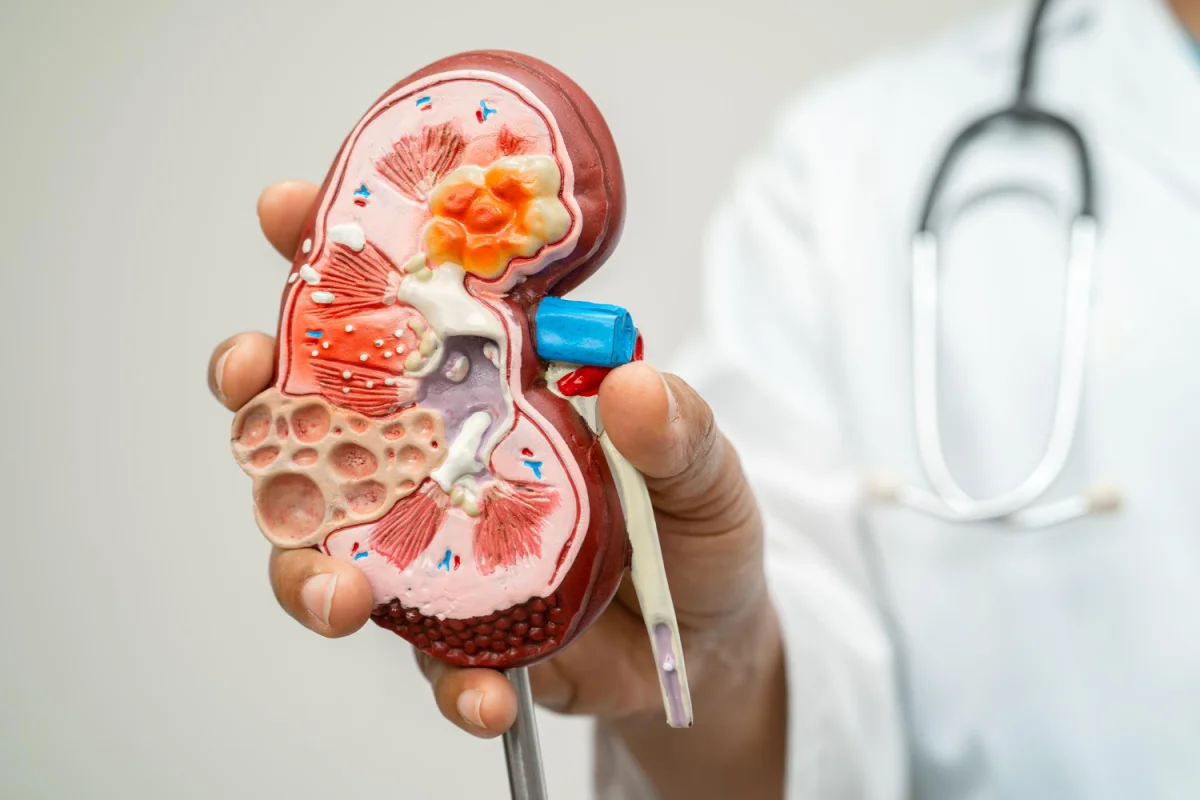




UTI in Men and Women: Symptoms, Causes, Treatment and Kidney Infection Warning Signs

Urinary tract infections (UTIs) are infections that affect the urinary system. They can develop in the bladder, urethra or kidneys and may cause symptoms ranging from mild urinary discomfort to a more serious illness. Women experience UTIs more frequently than men, but men can also develop these infections. In some cases, recurring urinary infections may be associated with an underlying problem involving the prostate, bladder or urinary tract.
Recognizing the symptoms early can help patients understand when medical evaluation is necessary. A urinary infection that affects the kidneys may cause additional symptoms, including fever, chills, back pain and vomiting. This guide explains the causes of UTIs, how symptoms differ between men and women, available treatment options and the warning signs that require medical attention. If you are looking for UTI treatment in Bangalore, understanding these symptoms and complications can help you decide when to consult a doctor or urologist.
What Is a Urinary Tract Infection?
A urinary tract infection occurs when microorganisms, most commonly bacteria, enter the urinary system and multiply.
The urinary system consists of four main structures:
- Kidneys: Filter waste from the blood and produce urine.
- Ureters: Carry urine from the kidneys to the bladder.
- Bladder: Stores urine until it is passed.
- Urethra: Allows urine to leave the body.
The location of an infection determines which part of the urinary tract is affected. A bladder infection is called cystitis, while an infection involving the kidneys is known as pyelonephritis. Infections may also affect the urethra. Most UTIs involve the lower urinary tract. However, an infection can sometimes spread upward from the bladder to the kidneys.
What Are the Common Symptoms of a UTI?
The signs of a urinary infection can vary depending on the affected area and the individual's health. Some people experience several symptoms together, while others notice only one or two changes.
Common UTI symptoms include:
- Burning or discomfort while passing urine.
- An increased need to urinate.
- A sudden feeling of urinary urgency.
- Passing small amounts of urine frequently.
- Pressure or discomfort in the lower abdomen.
- Cloudy urine.
- Urine with an unusual smell.
- Blood in the urine.
Changes in urine appearance or smell do not automatically confirm a UTI. These symptoms need to be considered alongside other complaints and, when appropriate, urine test results. If urinary discomfort continues, becomes more severe or repeatedly returns, consult a healthcare professional for evaluation.
UTI Symptoms in Women
Women are more likely to develop urinary tract infections because the female urethra is shorter, making it easier for bacteria to reach the bladder. The symptoms may begin with a burning sensation during urination or a need to visit the bathroom more frequently.
Other possible symptoms include:
- Sudden urinary urgency.
- Discomfort in the lower abdomen.
- Passing small amounts of urine.
- Cloudy or unusual-smelling urine.
- Blood in the urine.
Why Do Some Women Experience Repeated UTIs?
Some women develop urinary infections repeatedly over time. These are known as recurrent UTIs. Repeated infections should be discussed with a doctor rather than managed through repeated courses of antibiotics without medical supervision. A healthcare professional may review the patient's medical history, previous infections and possible risk factors to determine whether further investigation is necessary. The treatment approach may differ depending on whether the infection is a new episode or part of a recurring problem.
UTI Symptoms in Men
Although urinary tract infections occur less frequently in men, they can still develop and sometimes indicate an underlying urinary condition. Men with a UTI may experience:
- Burning during urination.
- Frequent urination.
- A sudden urge to pass urine.
- Difficulty passing urine.
- Discomfort in the lower abdomen.
- Blood in the urine.
- Pain or discomfort in the pelvic or genital area.
What Can Cause a UTI in Men?
In some men, urinary infections may be associated with conditions that interfere with the normal flow or emptying of urine. Possible contributing problems include prostate enlargement, urinary obstruction, kidney stones or other abnormalities of the urinary tract. When a man develops a suspected UTI, a medical assessment can help identify whether an underlying urinary problem is contributing to the infection. Specialist evaluation may be particularly important when symptoms are severe, persistent or recurrent.
What Are the Main Causes of UTIs?
Most urinary tract infections develop when bacteria enter through the urethra and multiply within the urinary system. Several factors may increase the likelihood of infection. These include:
- Previous urinary tract infections.
- Sexual activity.
- Incomplete emptying of the bladder.
- Urinary obstruction.
- Kidney or urinary stones.
- Enlargement of the prostate.
- Pregnancy
- Menopause
- Use of urinary catheters.
- Certain medical conditions affecting immunity or urinary function.
A UTI does not necessarily indicate poor personal hygiene. Infections can occur even in people who maintain good hygiene practices. Understanding the possible contributing factors is useful when planning treatment and investigating recurring infections.
Can a UTI Spread to the Kidneys?
Yes. Bacteria responsible for a bladder infection can sometimes travel upward through the urinary tract and reach the kidneys. An infection involving the kidneys is called pyelonephritis. It requires prompt medical attention because it can become serious if not appropriately treated. Symptoms that may indicate kidney involvement include:
- Fever
- Chills or shaking.
- Pain in the back or side.
- Nausea or vomiting.
- Feeling unusually unwell.
- Burning or frequent urination.
Urinary symptoms accompanied by fever or pain in the back or side should not be ignored. If these symptoms develop, seek medical evaluation rather than relying only on home remedies.
How Is a Kidney Infection Different From a Bladder Infection?
A bladder infection primarily affects the lower urinary tract. It commonly causes burning during urination, frequent bathroom visits and lower abdominal discomfort. A kidney infection affects one or both kidneys and may cause symptoms that involve the whole body, including fever, chills, nausea and back or side pain. The two conditions can require different levels of medical attention. Doctors may recommend urine tests, blood investigations or imaging studies to assess the infection and identify possible complications. Treatment may involve antibiotics and appropriate fluid management. In more serious cases, hospital-based care and intravenous antibiotics may be required.
When Should You Consult a Urologist for a UTI?
Many urinary infections can initially be evaluated by a general physician. However, some patients may require specialist assessment. Consider consulting a urologist if:
- Urinary infections keep returning.
- Symptoms continue despite treatment.
- You are a man with a suspected UTI.
- You have difficulty emptying your bladder.
- Urinary obstruction is suspected.
- You have kidney or urinary stones.
- Blood is present in your urine.
- You experience repeated kidney infections.
- You have unexplained or persistent urinary symptoms.
A urologist can assess whether an underlying structural or functional problem is contributing to the infection. For patients searching for a urologist in Bangalore, specialist evaluation may help determine the appropriate investigations and treatment plan.
How Do Doctors Diagnose a UTI?
The diagnosis of a urinary tract infection may involve a review of symptoms, medical history and physical examination. Depending on the patient's condition, a doctor may recommend one or more investigations.
1. Urine Routine Examination
A urine examination can identify findings that may be associated with infection, including white blood cells and other abnormalities. The results are interpreted alongside the patient's symptoms and medical history.
2. Urine Culture
A urine culture helps identify the bacteria responsible for an infection. It may also provide information about which antibiotics are likely to be effective against the identified bacteria. This investigation can be particularly useful in selected cases, including recurrent or complicated infections.
3. Blood Tests
Blood investigations may be recommended when the patient has fever, appears significantly unwell or has symptoms suggesting a more serious infection.
4. Imaging Investigations
Ultrasound, CT or other imaging studies may be considered when doctors suspect urinary stones, obstruction, recurrent infections or structural abnormalities. The choice of investigations depends on the patient's symptoms, medical history and examination findings.
What Is the Treatment for a UTI?
UTI treatment depends on several factors, including the location of the infection, its severity, the patient's medical history and the likely cause. When a bacterial infection is diagnosed or strongly suspected, a healthcare professional may prescribe antibiotics. Other parts of the treatment plan may include:
- Maintaining appropriate fluid intake when medically suitable.
- Medicines to manage pain or discomfort.
- Addressing an underlying urinary problem.
- Follow-up testing in selected cases.
Why Is the Choice of Antibiotic Important?
The antibiotic prescribed may depend on the suspected bacteria, previous infections, local antibiotic resistance patterns and urine culture results. Not every antibiotic is suitable for every urinary infection. Taking leftover medication or using antibiotics without medical advice may delay appropriate treatment and contribute to antibiotic resistance. A doctor can determine whether antibiotics are required and recommend a suitable treatment based on the patient's condition.
Can a UTI Resolve Without Antibiotics?
Not every urinary symptom is caused by a bacterial infection, and some symptoms may have other explanations. However, a bacterial UTI may require appropriate treatment, particularly when symptoms are significant or the patient has an increased risk of complications. It is not advisable to assume that a suspected infection will always disappear without medical care. Seek medical evaluation if urinary symptoms persist, worsen or occur alongside fever, vomiting, back pain or blood in the urine.
Is UTI Treatment Different for Men and Women?
The general principles of UTI diagnosis and treatment are similar for men and women, but the medical approach may vary. In women with an uncomplicated bladder infection, treatment may sometimes be relatively straightforward. In men, doctors may investigate more carefully for underlying urinary conditions because infections are less common and may be associated with prostate enlargement or urinary obstruction. Pregnant women also require particular attention because urinary infections during pregnancy can have implications for both the mother and baby. For these reasons, treatment should be individualized according to the patient's symptoms, medical history and clinical findings.
What Happens If a UTI Is Left Untreated?
An untreated bacterial urinary infection can sometimes progress from the bladder to the kidneys. In severe cases, the infection may enter the bloodstream and lead to sepsis, a potentially life-threatening response to infection. Possible complications include:
- Kidney infection.
- Recurrent urinary infections.
- Kidney-related complications.
- Sepsis in severe cases.
Not every untreated UTI will lead to a serious complication. However, persistent or worsening symptoms should be evaluated rather than ignored. Early medical assessment can help identify complications and determine whether additional treatment is needed.
When Is a UTI an Emergency?
Certain symptoms may indicate kidney involvement, urinary obstruction or a more serious infection. Seek urgent medical attention if urinary symptoms are accompanied by:
- High fever.
- Chills or shaking.
- Severe pain in the back or side.
- Persistent vomiting.
- Confusion or unusual drowsiness.
- Severe weakness.
- Difficulty passing urine.
- Significant blood in the urine.
- Sudden or rapid deterioration.
These symptoms may require emergency assessment and, in some cases, hospital-based treatment. Do not wait for a routine appointment if you experience severe symptoms or your condition is getting worse.
How Can You Reduce the Risk of UTIs?
Although not every urinary infection can be prevented, certain practices may help reduce the risk.
- Drink adequate fluids unless your doctor has advised fluid restriction.
- Avoid holding urine for prolonged periods.
- Maintain appropriate personal hygiene.
- Follow medical advice regarding urination after sexual activity, when recommended.
- Seek medical guidance if infections occur repeatedly.
- Avoid unnecessary antibiotic use.
- Address underlying urinary problems when they are identified.
People who experience recurrent UTIs may require a more individualized prevention strategy based on their medical history and risk factors.
When Should You Seek UTI Treatment in Bangalore?
Persistent burning during urination, frequent bathroom visits, urinary urgency and lower abdominal discomfort are reasons to consult a healthcare professional. Medical evaluation is particularly important when symptoms repeatedly return, do not improve with treatment or are accompanied by fever, vomiting, back pain, blood in the urine or difficulty passing urine. For patients requiring specialist assessment, Nano Hospitals' Urology department can evaluate urinary symptoms and help determine whether further testing or treatment is necessary. The aim is to identify the cause of the infection, provide appropriate treatment and address any underlying urinary problem that may contribute to recurrence. Patients experiencing severe symptoms should seek urgent medical attention rather than waiting for a routine consultation.
Looking for UTI Treatment in Bangalore?
Persistent or recurring urinary symptoms should not be ignored. Timely medical evaluation can help identify the cause of the problem and determine whether treatment is necessary. If you are experiencing burning during urination, frequent urination, blood in the urine, fever, back pain or repeated urinary infections, consult a qualified healthcare professional. For UTI evaluation and urology care in Bangalore, contact Nano Hospitals to learn about the available services and appropriate next steps.