




Is Snoring Normal? Signs of Sleep Apnea and When to Get a Sleep Study
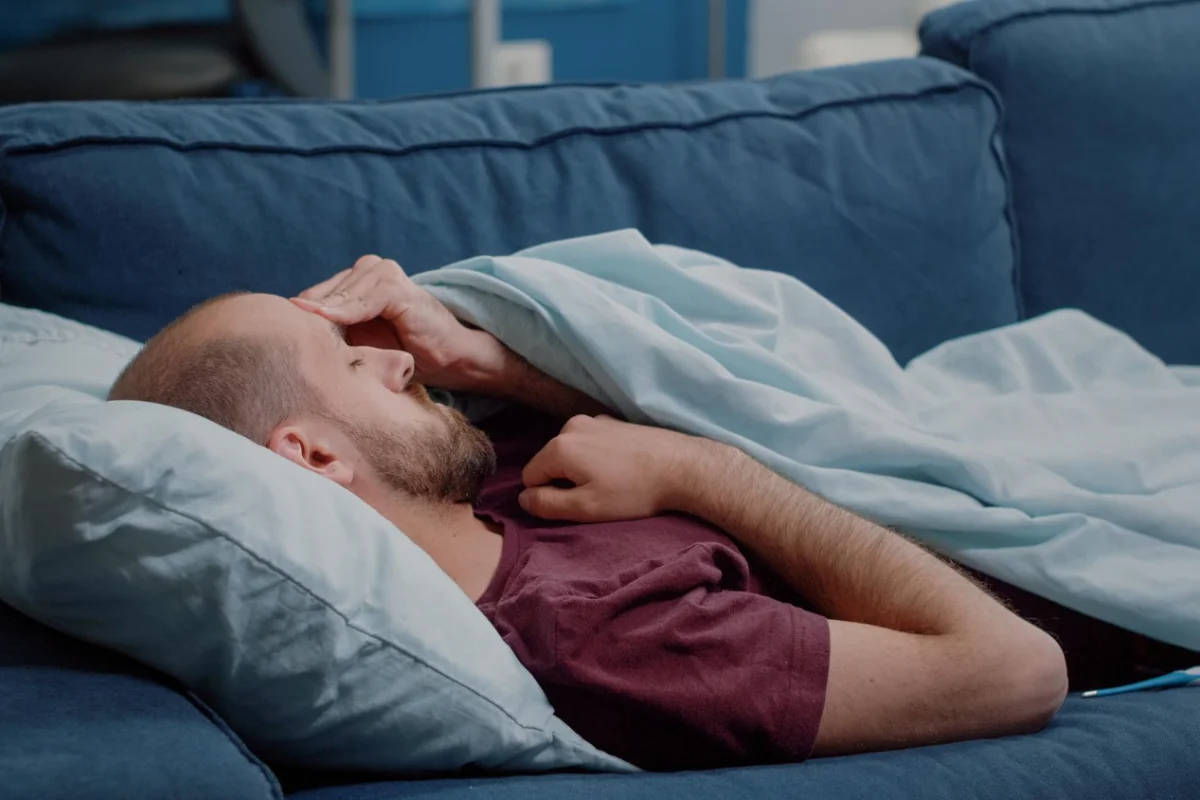
Snoring is a common occurrence during the night, but frequent, unusually loud snoring may sometimes indicate an underlying breathing problem. One possible cause is obstructive sleep apnea (OSA), a condition in which the upper airway repeatedly becomes blocked or narrowed during rest. These interruptions can cause a person to wake briefly or partially wake several times throughout the night. Although they may not remember these episodes, the repeated disturbances can affect sleep quality, daytime alertness and overall health.
But how can you tell whether snoring is simply a common nighttime sound or a sign of something that needs medical attention? Snoring alone does not confirm a breathing disorder. However, loud snoring accompanied by gasping, witnessed pauses in breathing, morning headaches, daytime tiredness or difficulty concentrating should be evaluated by a healthcare professional. If you are looking for sleep apnea treatment in Bangalore, understanding the warning signs and knowing when a sleep study may be recommended can help you take the next step.
What Is Obstructive Sleep Apnea?
Obstructive sleep apnea is a condition in which breathing repeatedly stops or becomes significantly reduced during sleep. The most common form occurs when the muscles and tissues surrounding the upper airway relax, causing the passage to narrow or become temporarily blocked. Another type, called central sleep apnea, occurs when the brain does not consistently send the appropriate signals to the muscles responsible for breathing. This article focuses mainly on the obstructive form, which is the most common type
Is Snoring Always a Medical Problem?
Occasional snoring is common and does not necessarily indicate a health condition. It occurs when airflow through the upper airway causes surrounding tissues to vibrate. The sound may vary depending on a person's sleeping position, airway anatomy and other factors. However, persistent snoring deserves attention when it occurs alongside other symptoms. Consider speaking with a doctor if your snoring is:
- Loud and frequent.
- Present on most nights.
- Accompanied by gasping or choking.
- Associated with pauses in breathing noticed by someone nearby.
- Followed by significant tiredness during the day.
- Accompanied by morning headaches.
- Regularly disturbing your rest or your partner's rest.
The combination of symptoms is more informative than the sound of snoring alone.
7 Signs That Your Snoring May Need Medical Attention
1. Loud and Persistent Snoring
Repeated, loud snoring can be one of the recognizable signs of obstructive sleep apnea. However, not everyone who snores has this condition, and some affected individuals may not snore particularly loudly. Pay attention to whether the sound occurs regularly and whether other breathing-related symptoms are present.
2. Pauses in Breathing During the Night
A partner or family member may notice that you appear to stop breathing for short periods while asleep. These episodes may be followed by gasping, choking, snorting, sudden movements or brief awakenings. Because the person experiencing these interruptions may not remember them, observations from someone who shares the room can provide useful information during a medical consultation.
3. Waking Up Suddenly With Gasping or Choking
Some people wake unexpectedly with a sensation that they cannot breathe properly. Repeated episodes of gasping or choking during the night may indicate that normal airflow is being disrupted. If these episodes occur frequently, especially alongside loud snoring or daytime tiredness, discuss them with a healthcare professional.
4. Excessive Daytime Tiredness
Repeated nighttime disturbances can leave a person feeling unrefreshed even after spending enough time in bed.
5. Headaches After Waking Up
Some people with obstructive sleep apnea experience headaches in the morning. These headaches are not specific to this condition and can have several other causes. However, recurring morning headaches accompanied by snoring, gasping or daytime tiredness may be worth discussing with a doctor.
6. Difficulty Concentrating or Remembering Things
Interrupted rest can affect attention, concentration and everyday performance. Some people describe these difficulties as brain fog, forgetfulness, reduced productivity or irritability. If you regularly experience these problems alongside other nighttime symptoms, a healthcare professional can help determine whether a breathing disorder or another condition may be responsible.
7. Dry Mouth or a Sore Throat After Waking
Waking up with a dry mouth or sore throat can sometimes be associated with mouth breathing during the night. This may occur alongside snoring and other breathing disturbances. However, dry mouth and throat discomfort can also result from dehydration, medication or other causes. These symptoms alone cannot establish a diagnosis.
Who Is More Likely to Develop Obstructive Sleep Apnea?
This condition can affect people of different ages and body types. Factors that may increase the likelihood of developing it include:
- Excess body weight.
- Increasing age.
- A larger neck circumference.
- Narrowing of the upper airway.
- Enlarged tonsils or other airway structures.
- A family history of the condition.
- Certain medical conditions.
- Alcohol consumption.
- Smoking
- Nasal obstruction.
Men are diagnosed with obstructive sleep apnea more frequently than women, although women can also develop it, particularly around and after menopause. Having a slim body type does not completely rule out the condition. Airway anatomy and other individual factors can also contribute.
What Happens to Breathing During Sleep?
During normal rest, air passes through the upper airway and reaches the lungs. In obstructive sleep apnea, the muscles and tissues surrounding the airway relax and may narrow or block the passage. When airflow becomes significantly reduced or stops, the body may briefly arouse the brain so that normal breathing can resume. This cycle can occur repeatedly throughout the night. As a result, a person may spend several hours in bed but still wake feeling tired or unrefreshed.
Why Should This Breathing Disorder Be Treated?
Persistent nighttime breathing interruptions are more than a snoring concern. Repeated disturbances can affect daytime alertness, concentration and quality of life. The condition is also associated with cardiovascular and metabolic health problems. Possible effects include:
- Excessive daytime sleepiness.
- Reduced concentration and attention.
- Poor-quality rest.
- Mood changes.
- An increased risk of accidents related to sleepiness.
Obstructive sleep apnea is also associated with conditions such as high blood pressure and cardiovascular disease. The health effects vary between individuals. Proper diagnosis and a treatment plan suited to the person's condition are therefore important.
When Should You Get a Sleep Study?
A sleep study, also known as polysomnography, may be recommended when symptoms and clinical assessment suggest a sleep-related breathing disorder. A doctor may consider testing if you experience:
- Loud, habitual snoring.
- Breathing pauses noticed by someone nearby.
- Repeated gasping or choking during the night.
- Significant daytime sleepiness.
- Other symptoms suggesting disrupted breathing.
- Risk factors associated with obstructive sleep apnea.
Depending on the patient's circumstances, testing may be performed in a sleep laboratory or through an appropriate home-based test. A healthcare professional will determine which type of investigation is suitable.
What Happens During a Sleep Study?
A sleep study records different aspects of the body while a person rests. Depending on the type of test, measurements may include:
- Breathing patterns.
- Oxygen levels.
- Heart rate.
- Brain activity.
- Body movements.
- Sleep stages.
- Airflow
These measurements help doctors determine whether breathing disturbances are present and assess their severity. One commonly reported measurement is the apnea-hypopnea index (AHI). It represents the average number of breathing interruptions or significant reductions in airflow per hour of sleep. A sleep specialist interprets the results alongside symptoms, medical history and other clinical findings.
How Is Obstructive Sleep Apnea Treated?
Treatment depends on the severity of the condition, symptoms, airway anatomy and the individual's overall health. A doctor may recommend one or more of the following approaches.
Lifestyle Changes
Lifestyle measures may form part of the treatment plan for some patients. Depending on individual circumstances, these may include:
- Weight management when appropriate.
- Regular physical activity.
- Avoiding alcohol close to bedtime.
- Maintaining a consistent sleep schedule.
- Addressing nasal congestion.
- Avoiding smoking.
These measures may be recommended alone in selected cases or alongside other treatments.
CPAP Therapy
Continuous positive airway pressure (CPAP) is an established treatment for obstructive sleep apnea. A CPAP device delivers a continuous flow of air through a mask to help keep the upper airway open during the night. For many people with significant obstructive disease, consistent use can improve breathing patterns and reduce symptoms. Finding a suitable mask, adjusting the pressure settings and receiving ongoing support can help patients use the device more comfortably.
Oral Appliances
Some patients may benefit from specially designed oral appliances. These devices help reposition the jaw or tongue to improve the space available for airflow. They are not suitable for everyone, so assessment by a qualified professional is important before choosing this option.
Positional Therapy
Some people experience more breathing disturbances when lying on their backs. In selected cases, positional therapy may be recommended to encourage sleeping positions that reduce airway obstruction. The suitability of this approach depends on the patient's test results and individual circumstances.
Surgery
Surgery may be considered when structural problems contribute significantly to airway obstruction or when other treatments are unsuitable or insufficient. The appropriate procedure depends on the location of the obstruction, airway anatomy and clinical assessment. A specialist can determine whether surgery is an appropriate option.
Can Obstructive Sleep Apnea Be Treated Without CPAP?
Yes. CPAP is not the only possible treatment. Depending on the type and severity of the condition, doctors may consider lifestyle measures, oral appliances, positional therapy or selected surgical procedures. However, the choice of treatment should not be based solely on personal preference. A sleep specialist can assess the underlying cause and recommend an appropriate approach. Patients should not discontinue prescribed treatment without discussing it with their healthcare professional.
Can Children Develop Sleep-Related Breathing Problems?
Yes. Children can also develop obstructive sleep apnea. Possible symptoms include:
- Loud snoring.
- Pauses in breathing.
- Mouth breathing.
- Restless nights.
- Behavioral changes.
- Difficulty concentrating.
- Daytime sleepiness in some children.
Enlarged tonsils and adenoids can contribute to airway obstruction in children. If a child snores regularly or appears to have difficulty breathing during the night, arrange a medical evaluation.
What Happens If the Condition Is Left Untreated?
Untreated obstructive sleep apnea can affect the quality of rest and everyday functioning. Long-term untreated disease may also be associated with increased cardiovascular and metabolic health risks. Excessive daytime sleepiness can interfere with work, driving and routine activities. This is particularly important for people who operate vehicles or machinery. If you frequently feel sleepy during the day despite spending enough time in bed, consider discussing the problem with a healthcare professional rather than assuming that you simply need more rest.
Sleep Apnea Treatment in Bangalore
If you or your partner notices persistent loud snoring, breathing pauses, gasping during the night or significant daytime tiredness, consider consulting a doctor or sleep specialist. A proper evaluation can help determine whether the symptoms are caused by obstructive sleep apnea or another respiratory or sleep-related condition. For patients seeking sleep apnea treatment in Bangalore, Nano Hospitals' Pulmonology and Sleep Medicine services can help with evaluation, appropriate testing and management based on individual clinical needs. The aim is not simply to reduce snoring. It is to identify the underlying cause of the breathing disturbance, improve rest and manage potential health consequences.
Concerned About Snoring or Nighttime Breathing?
Loud snoring, pauses in breathing, nighttime gasping and excessive daytime sleepiness may indicate an underlying breathing disorder. Do not dismiss persistent symptoms as normal. A medical evaluation and appropriate sleep study can help identify the cause and guide treatment. For evaluation, sleep studies and specialist care in Bangalore, consult Nano Hospitals' Pulmonology and Sleep Medicine team.