



Dengue vs Malaria: Symptoms, Causes, Diagnosis, Treatment & Prevention
The advent of the monsoon signals the start of a season when mosquito-borne illnesses become more prevalent, but it also offers much-needed respite from the intense summer heat. Dengue and malaria, two illnesses that frequently start with similar symptoms but require different approaches to diagnosis and treatment, are on the rise in Indian hospitals.
While some people disregard early signs because they think it's only a viral infection, many people believe that any fever during the rainy season is dengue. Regrettably, postponing medical care might result in major issues. You can get the appropriate therapy at the appropriate time if you are aware of the differences between dengue and malaria symptoms.
This comprehensive guide explains the causes, symptoms, warning signs, diagnosis, treatment options, and prevention tips for dengue and malaria, helping you make informed decisions for yourself and your family.
Understanding Dengue and Malaria
Although both dengue and malaria are spread through mosquito bites, they are caused by different organisms and affect the body in different ways.
What is Dengue?
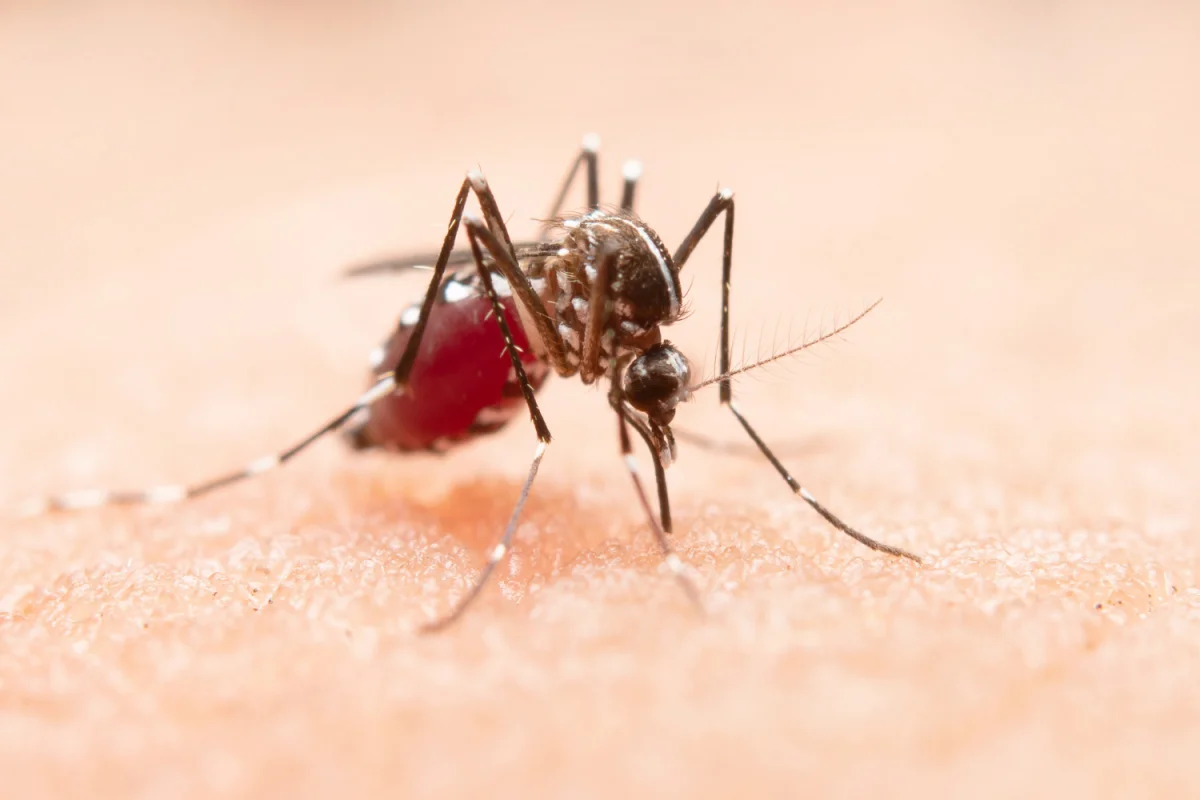
Dengue is a viral infection caused by the dengue virus, which is transmitted by infected Aedes aegypti mosquitoes. These mosquitoes are most active during the daytime, particularly in the early morning and late afternoon. The Aedes mosquito breeds in clean, stagnant water found in flower pots, water tanks, buckets, discarded tyres, coolers, and other containers around homes and workplaces. This is why dengue cases increase significantly during and after the monsoon season.
There are four types of dengue viruses (DENV-1, DENV-2, DENV-3, and DENV-4). A person can be infected more than once because immunity to one type does not provide protection against the others.
What is Malaria?
Malaria is a parasitic disease caused by Plasmodium parasites. It spreads through the bite of infected female Anopheles mosquitoes, which usually bite during the evening and nighttime.
The most common malaria-causing parasites include:
- Plasmodium falciparum
- Plasmodium vivax
- Plasmodium malariae
- Plasmodium ovale
Among these, Plasmodium falciparum is considered the most dangerous because it can rapidly lead to severe complications if treatment is delayed. Unlike dengue, malaria parasites enter the bloodstream and infect red blood cells, leading to cycles of fever, chills, and sweating.
Dengue vs Malaria Symptoms
Both illnesses often begin with fever, weakness, and body aches, making it difficult to identify the exact cause without medical evaluation. However, several key differences can help distinguish one from the other.
Although these differences are helpful, symptoms can overlap. Only a qualified healthcare professional can confirm the diagnosis through appropriate laboratory tests.
How the Fever Pattern Differs
One of the easiest ways doctors distinguish between dengue and malaria is by understanding how the fever behaves.
Fever in Dengue
Dengue usually begins suddenly with a high fever that may reach 104°F (40°C). The fever often remains continuous for two to seven days and is accompanied by severe headache, muscle pain, and joint pain. Many patients describe dengue as "breakbone fever" because of the intense body pain it causes.
The fever may reduce after a few days, giving patients the false impression that they are recovering. However, this is often the most critical phase when platelet counts may begin to fall, increasing the risk of complications.
Fever in Malaria
Malaria fever follows a characteristic pattern:
- Severe chills and shivering
- High fever
- Profuse sweating
- Temporary relief
- Fever returns after several hours or days
The fever may occur every 24, 48, or 72 hours depending on the type of malaria parasite involved.
This cyclical pattern is a classic feature of malaria, although it may not always be present in the early stages.
Common Symptoms of Dengue
Common symptoms include:
- Sudden high fever
- Severe headache
- Pain behind the eyes
- Intense muscle pain
- Joint pain
- Extreme fatigue
- Nausea
- Vomiting
- Loss of appetite
- Skin rash
- Mild bleeding from the gums or nose
- Easy bruising
Most people recover within one to two weeks with proper hydration and supportive care. However, some patients may develop severe dengue, which requires immediate hospitalization.
Warning Signs of Severe Dengue
Severe dengue is a medical emergency. Seek immediate medical attention if any of the following symptoms develop:
- Persistent vomiting
- Severe abdominal pain
- Difficulty breathing
- Restlessness or irritability
- Excessive drowsiness
- Cold, clammy skin
- Bleeding from the nose or gums
- Blood in vomit or stools
- Reduced urine output
- Sudden weakness or fainting
These symptoms may indicate plasma leakage, internal bleeding, or shock, which can become life-threatening without prompt treatment.
Common Symptoms of Malaria
Malaria symptoms typically develop 10–15 days after an infected mosquito bite.
Common symptoms include:
- Fever with chills
- Shivering
- Excessive sweating
- Headache
- Muscle aches
- Fatigue
- Nausea and vomiting
- Loss of appetite
- Diarrhea (in some cases)
If left untreated, malaria may progress to severe complications such as anemia, kidney failure, seizures, breathing difficulties, or cerebral malaria, especially in young children, pregnant women, older adults, and people with weakened immune systems.
Why Early Diagnosis Matters
Many people attempt to self-medicate with antibiotics or over-the-counter fever medicines when they develop a fever during the rainy season. However, dengue is caused by a virus, while malaria is caused by a parasite. Antibiotics are not effective against either disease unless there is a separate bacterial infection.
Additionally, taking medications such as aspirin or ibuprofen without medical advice can increase the risk of bleeding in patients with dengue. A timely consultation with a doctor allows for accurate diagnosis through blood tests and ensures that appropriate treatment begins before complications develop.
If you experience a high fever lasting more than 24 hours during the monsoon season—especially when accompanied by severe body pain, chills, rash, or persistent vomiting—it is important to seek medical evaluation without delay.
How Doctors Diagnose Dengue and Malaria
Because dengue and malaria share many symptoms, a physical examination alone is often not enough to determine the exact illness. Your doctor will evaluate your medical history, recent travel, exposure to mosquito-prone areas, and clinical symptoms before recommending laboratory tests.
Blood Tests for Dengue
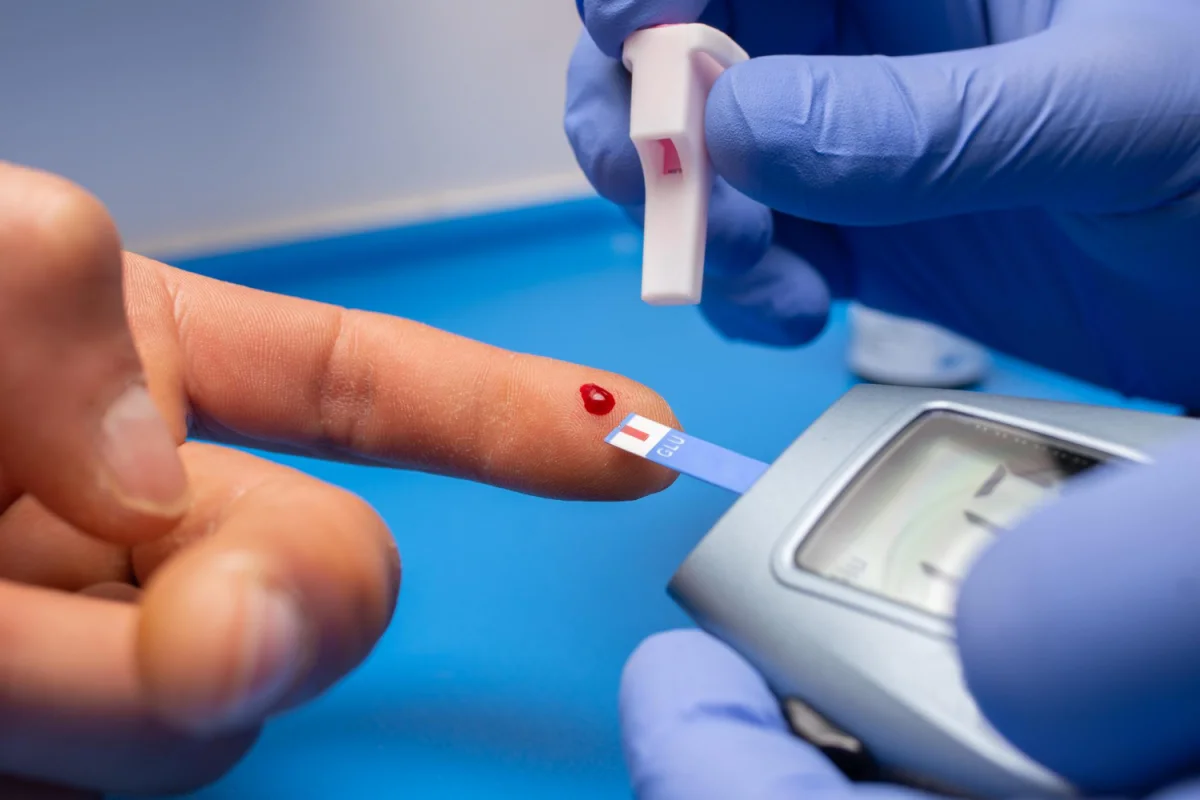
If dengue is suspected, your doctor may recommend one or more of the following tests: NS1 Antigen Test The NS1 Antigen test is most useful during the first five days of illness. It detects the dengue virus early, allowing treatment to begin before complications develop.
Dengue IgM and IgG Antibody Tests
These tests identify antibodies produced by your immune system after infection.
- IgM antibodies usually appear after the fifth day of illness and indicate a recent infection.
- IgG antibodies may suggest a previous dengue infection or a later stage of the current infection.
Complete Blood Count (CBC)
A CBC helps doctors monitor:
- Platelet count
- White blood cell count
- Hemoglobin levels
- Hematocrit (to assess dehydration or plasma leakage)
Regular monitoring is especially important in patients with warning signs of severe dengue.
Blood Tests for Malaria
If malaria is suspected, doctors may recommend: Peripheral Blood Smear A blood smear remains the gold standard for diagnosing malaria. Under a microscope, the laboratory can identify:
- The malaria parasite
- The species causing infection
- The severity of infection
Rapid Malaria Antigen Test
This test provides faster results and is commonly used in emergency settings.
Depending on the patient's condition, doctors may also advise:
- Complete Blood Count
- Liver Function Tests
- Kidney Function Tests
- Blood sugar levels
- Electrolyte analysis
These tests help detect complications early and guide treatment decisions.
Platelet Count in Dengue vs. Malaria
One of the biggest concerns among patients with dengue is a falling Platelet count. However, understanding what platelet levels mean can help reduce unnecessary anxiety.
Dengue
A significant drop in Platelet count is common in dengue, but low platelets alone do not determine disease severity.
Doctors consider several factors together, including:
- Platelet count
- Hematocrit levels
- Blood pressure
- Hydration status
- Bleeding symptoms
- Overall clinical condition
Many patients recover without needing a platelet transfusion.
Malaria
Some malaria patients may also experience a decrease in Platelet count , but it is generally less severe than in dengue. Doctors focus primarily on eliminating the malaria parasite through appropriate medication while monitoring blood counts and organ function.
Can Dengue and Malaria Occur Together?
Yes. Although uncommon, it is possible for a person to be infected with both dengue and malaria at the same time. This is known as a co-infection. Co-infections may present with:
- Persistent high fever
- Severe weakness
- Chills
- Body pain
- Vomiting
- Low platelet count
- Abnormal liver function
Because symptoms overlap, doctors may order tests for both diseases, especially in regions where dengue and malaria are common during the monsoon.
Treatment for Dengue
There is currently no specific antiviral medication that cures dengue. Treatment focuses on relieving symptoms, preventing dehydration, and monitoring for complications.
Depending on the severity of illness, treatment may include:
- Adequate oral fluids
- Oral Rehydration Solution (ORS)
- Intravenous fluids when necessary
- Paracetamol for fever
- Regular monitoring of platelet count
- Monitoring of blood pressure and urine output
Patients suspected of having dengue should avoid taking:
- Aspirin
- Ibuprofen
- Diclofenac
- Other non-steroidal anti-inflammatory drugs (NSAIDs)
Treatment for Malaria
Treatment depends on:
- Type of malaria parasite
- Severity of infection
- Age of the patient
- Pregnancy status
- Existing medical conditions
- Local drug resistance patterns
Doctors may prescribe oral medications for uncomplicated malaria or intravenous medicines for severe infections. Prompt treatment significantly reduces the risk of complications.
Home Care During Recovery
Whether recovering from dengue or malaria, supportive care plays an important role in healing.
Whether recovering from dengue or malaria, supportive care plays an important role in healing.
- Stay Hydrated
- Eat Nutritious Foods
- Get Adequate Rest
Prevention Tips for Dengue and Malaria
Preventing mosquito bites is the most effective way to reduce the risk of both diseases.
- Empty stagnant water every week.
- Cover overhead tanks and water storage containers.
- Clean coolers regularly.
- Dispose of old tyres, cans, and containers that collect rainwater. Protect Yourself from Mosquito Bites
- Wear full-sleeved clothing
- Use mosquito repellents.
- Sleep under mosquito nets where appropriate.
- Install window and door screens.
- Keep surroundings clean.
Community Measures
Mosquito control is most effective when the entire community participates. Support local efforts to eliminate stagnant water and maintain clean neighborhoods.
When Should You Visit a Doctor?
Do not ignore fever during the rainy season. Consult a doctor immediately if you experience:
- Fever lasting more than 24 hours
- High-grade fever above 102°F
- Severe body pain
- Persistent vomiting
- Bleeding from the gums or nose
- Blood in stools or vomit
- Difficulty breathing
- Confusion or excessive drowsiness
- Reduced urine output
- Severe weakness or inability to eat or drink
Early diagnosis allows timely treatment and greatly improves recovery while reducing the risk of complications.