




Heart Attack vs Acidity: Recognizing Symptoms and Saving Lives
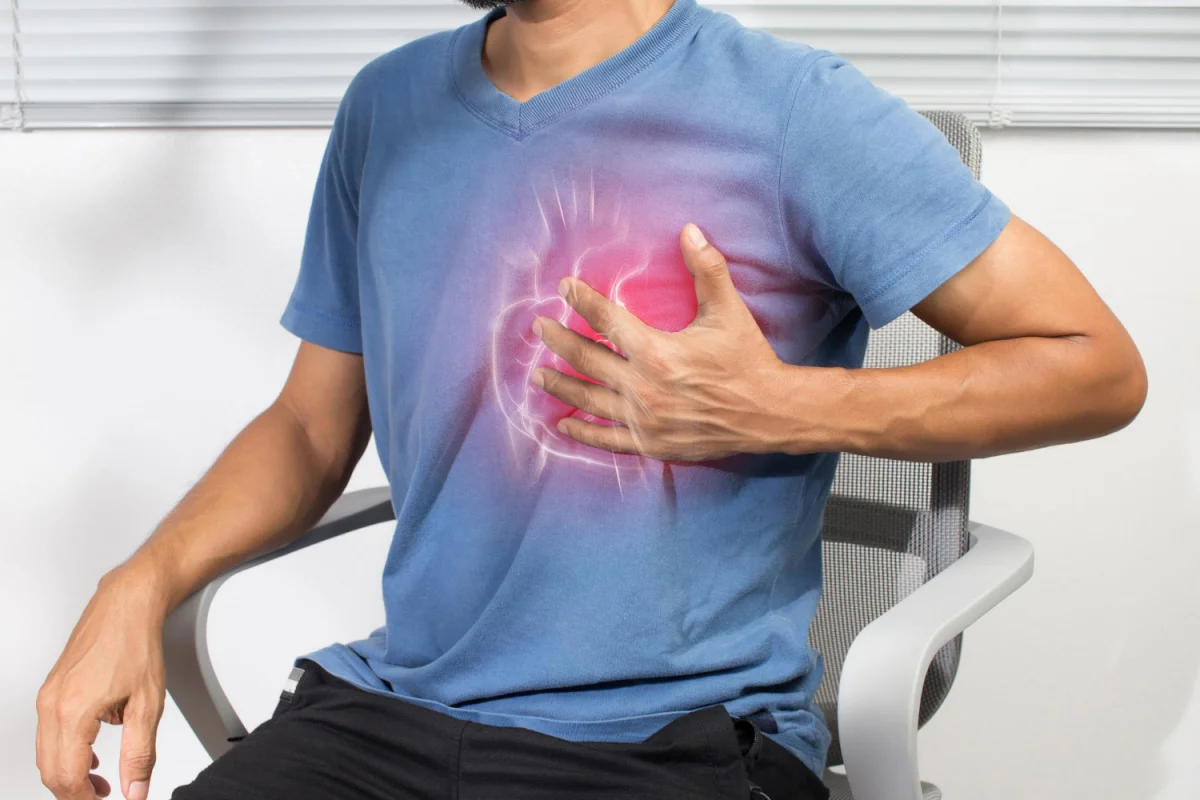
Chest discomfort is a common health concern that many people experience at some point in their lives. It may occur after eating a heavy meal, consuming spicy food, experiencing indigestion, or engaging in physical activity. In many cases, people assume that a burning sensation or pain in the chest is caused by acidity. However, chest discomfort can sometimes indicate a more serious medical condition, such as a heart attack.
Understanding the difference between heart attack vs acidity is important because both conditions can produce similar symptoms, including chest pain, burning sensations, nausea, and discomfort in the upper abdomen. Mistaking a heart attack for acidity can delay emergency medical treatment and increase the risk of serious complications.
A heart attack is a medical emergency that occurs when blood flow to a part of the heart muscle becomes severely reduced or completely blocked. Acidity, on the other hand, generally occurs when stomach acid flows back into the food pipe (oesophagus), causing irritation and a burning sensation.
Although the symptoms may sometimes appear similar, the underlying causes and potential risks are very different. Recognising warning signs and seeking timely medical attention can make a significant difference in protecting your heart health.
What Is a Heart Attack?
A heart attack, medically known as myocardial infarction, occurs when the blood supply to a portion of the heart muscle is interrupted. The heart receives oxygen-rich blood through blood vessels called coronary arteries. When one of these arteries becomes blocked, usually because of a blood clot forming over a fatty deposit, the affected heart muscle does not receive enough oxygen.
If blood flow is not restored quickly, the heart muscle can become permanently damaged.
A heart attack may develop suddenly or begin with mild symptoms that gradually become more noticeable. Some individuals experience severe chest pain, while others may experience breathlessness, unusual tiredness, nausea, sweating, or discomfort in other parts of the upper body.
Several factors can increase the risk of developing a heart attack, including:
- High blood pressure.
- Diabetes
- High cholesterol levels.
- Smoking and tobacco consumption.
- Obesity and physical inactivity.
- Family history of heart disease.
- Unhealthy dietary habits.
Excessive stress and poor lifestyle habits.
Increasing age.
What Is Acidity?
Acidity is a commonly used term for symptoms associated with excess stomach acid or acid reflux. It occurs when stomach acid moves upward into the oesophagus, the tube that carries food from the mouth to the stomach.
The oesophagus does not have the same protective lining as the stomach. When stomach acid repeatedly comes into contact with its lining, it can cause irritation and a burning sensation.
This condition is commonly known as acid reflux or gastro-oesophageal reflux disease (GERD) when symptoms are frequent or persistent.
Common causes and triggers of acidity include:
- Eating large meals.
- Consuming spicy, oily, or fatty foods
- Drinking excessive amounts of coffee or caffeinated beverages
- Eating late at night.
- Lying down immediately after meals.
- Being overweight.
- Smoking
- Certain medications.
- Pregnancy
People experiencing acidity may complain of a burning sensation behind the breastbone, sour or bitter taste in the mouth, bloating, belching, and discomfort after eating.
Although acidity is generally less dangerous than a heart attack, frequent or persistent symptoms should be evaluated by a healthcare professional.
Heart Attack vs Acidity: Key Differences in Symptoms
One of the biggest challenges is that both heart attacks and acidity can cause chest discomfort. However, certain symptom patterns may provide useful clues.
It is important to understand that these differences are not reliable enough to diagnose the condition at home. A heart attack can sometimes feel like indigestion or heartburn.
1. Nature of Chest Pain
During a heart attack, chest discomfort is often described as pressure, squeezing, heaviness, tightness, or fullness in the chest. Some people describe it as a feeling that something heavy is pressing against their chest.
In contrast, acidity commonly causes a burning sensation behind the breastbone. It may be accompanied by a sour taste in the mouth or a sensation of acid rising towards the throat.
2. Location of Discomfort
Heart attack-related discomfort may occur in the centre of the chest and spread to the arms, shoulders, neck, jaw, back, or upper abdomen.
Acidity usually produces discomfort around the chest or upper abdomen, although the burning sensation can sometimes travel towards the throat.
3. Relationship with Food
Acidity symptoms frequently develop after consuming heavy, spicy, or oily meals. They may become worse when lying down or bending forward.
Heart attack symptoms are not necessarily related to food intake. They can occur during physical activity, emotional stress, or even while resting or sleeping.
4. Associated Symptoms
A heart attack may cause several additional warning signs, including:
- Cold sweating.
- Shortness of breath.
- Dizziness or light-headedness.
- Nausea or vomiting.
- Unusual weakness or fatigue.
Pain in the arms, jaw, neck, or back.
Acidity may be associated with
- Frequent burping.
- Bloating
- Sour or bitter taste in the mouth.
- Burning sensation in the throat.
- Discomfort after meals.
However, nausea, sweating, and upper abdominal discomfort can occur in both conditions. Their presence or absence cannot independently confirm the diagnosis.
Common Warning Signs of a Heart Attack You Should Never Ignore
Recognising the early warning signs of a heart attack can help people seek medical attention without unnecessary delay.
Persistent or Recurrent Chest Discomfort
Chest discomfort that lasts for several minutes, repeatedly returns, or feels like pressure or tightness should be taken seriously. Not every heart attack causes unbearable pain. Some begin with mild discomfort.
Pain Spreading to the Arm or Jaw
Discomfort that spreads from the chest towards one or both arms, shoulders, neck, jaw, or back can be a warning sign of a heart-related problem.
Sudden Breathlessness
Difficulty breathing, especially when accompanied by chest discomfort, sweating, or dizziness, requires urgent medical evaluation.
Cold Sweating
Unexplained cold sweating, particularly when associated with chest pressure or weakness, may indicate a heart attack.
Nausea and Vomiting
Some individuals experience nausea, vomiting, or symptoms that resemble indigestion during a heart attack.
Unusual Tiredness and Weakness
Sudden or unexplained fatigue, particularly when associated with other warning signs, should not be ignored.
It is important to remember that heart attack symptoms can differ from one person to another. Some people experience multiple symptoms, while others may have only mild discomfort.
Can Acidity Be Mistaken for a Heart Attack?
Yes. Acidity and heart-related chest pain can sometimes feel very similar.
Both conditions may produce burning sensations, pressure, upper abdominal discomfort, and nausea. This similarity can make it difficult for individuals to understand the actual cause of their symptoms.
For example, a person experiencing chest burning after a meal may assume that the problem is acidity. However, a heart attack can also produce burning chest discomfort or symptoms resembling indigestion.
The American Heart Association advises seeking medical attention when there is uncertainty about whether chest discomfort is caused by heartburn or a heart problem.
American Heart Association+1
One important mistake people make is waiting to see whether the discomfort disappears after taking an acidity medicine. Temporary improvement does not reliably rule out a heart problem.
Never use home remedies, antacids, or pain relief medicines as a substitute for emergency medical evaluation when a heart attack is suspected.
Who Is at Higher Risk of a Heart Attack?
Although heart attacks are commonly associated with older adults, they can affect people across different age groups.
Certain health conditions and lifestyle factors increase the possibility of developing coronary artery disease and experiencing a heart attack.
1. People with Diabetes
High blood sugar levels over time can damage blood vessels and increase the risk of cardiovascular disease. People with diabetes may also experience less typical heart attack symptoms.
2. People with High Blood Pressure
Uncontrolled blood pressure puts additional strain on the heart and can damage artery walls, increasing the risk of cardiovascular complications.
3. People with High Cholesterol
Excess cholesterol can accumulate inside the coronary arteries, forming fatty deposits known as plaques. These deposits can restrict blood flow and contribute to heart attacks.
4. Smokers and Tobacco Users
Smoking damages blood vessels, increases blood pressure, and contributes to the development of coronary artery disease.
5. People with Obesity
Excess body weight is associated with several cardiovascular risk factors, including diabetes, high blood pressure, and abnormal cholesterol levels.
6. People with a Family History of Heart Disease
Individuals with close family members who developed heart disease at a relatively young age may have an increased risk and should discuss appropriate preventive screening with their doctor.
7. People with Sedentary Lifestyles
Lack of physical activity can contribute to weight gain, poor cardiovascular fitness, and metabolic conditions that increase heart disease risk.
Understanding these risk factors and managing them through appropriate medical care and lifestyle changes can help reduce the risk of cardiovascular complications.
How Do Doctors Differentiate Between Heart Attack and Acidity?
Symptoms alone are not sufficient to distinguish between a heart attack and acidity. Doctors use clinical evaluation and appropriate diagnostic investigations to identify the actual cause of chest discomfort.
When a patient arrives with suspected heart attack symptoms, medical teams prioritise cardiac assessment.
The following investigations may be recommended depending on the patient's condition.
1. Electrocardiogram (ECG)
An ECG records the electrical activity of the heart. It helps doctors identify certain changes associated with heart attacks, abnormal heart rhythms, and other cardiac conditions.
An ECG is often one of the first investigations performed when a heart attack is suspected.
2. Blood Tests – Cardiac Troponin
Troponin is a protein released into the bloodstream when heart muscle cells are damaged.
Blood tests measuring cardiac troponin levels help doctors identify heart muscle injury. Depending on the timing of symptoms and initial results, repeat testing may be necessary.
3. Echocardiogram
An echocardiogram uses ultrasound technology to examine the structure and functioning of the heart. It helps assess heart muscle movement, pumping function, and certain structural abnormalities.
4. Coronary Angiography
If doctors suspect a significant blockage in the coronary arteries, they may recommend coronary angiography. This investigation helps visualise the blood vessels supplying the heart and identify areas of narrowing or blockage.
5. Gastrointestinal Evaluation
If cardiac causes have been appropriately assessed and acidity or reflux is suspected, doctors may recommend treatment or further gastrointestinal investigations depending on the symptoms.
The choice of investigations depends on the patient's symptoms, medical history, examination findings, and clinical risk assessment.
What Should You Do If You Suspect a Heart Attack?
If you or someone around you experiences symptoms that may indicate a heart attack, immediate medical attention is essential.
Follow these steps:
Stop physical activity: Ask the person to stop walking, exercising, or performing any strenuous activity.
Call emergency services: In India, call 112 for emergency assistance. Do not waste time trying home remedies.
Do not drive yourself: An ambulance is preferable because emergency medical professionals can assess and support the patient during transportation.
Follow medical instructions: Follow the emergency operator's instructions. Do not take medicines unless advised by a qualified healthcare professional or emergency responder.
Reach a hospital immediately: Timely assessment and treatment can help limit heart muscle damage and improve recovery.
If the person becomes unconscious and is not breathing normally, begin CPR if trained and follow emergency operator instructions. Use an automated external defibrillator (AED), if available.
The Government of India's Emergency Response Support System provides the unified emergency number 112.
Ministry of Home Affairs+2
How Can You Reduce the Risk of Heart Attack?
Preventing heart disease requires consistent attention to lifestyle habits, regular health assessments, and appropriate medical management.
Here are some practical steps that can support better cardiovascular health.
Maintain a Balanced Diet
Include fruits, vegetables, whole grains, pulses, nuts, and other nutritious foods in your daily diet. Limit excessive salt, added sugar, processed foods, and unhealthy fats.
Exercise Regularly
Regular physical activity helps maintain a healthy weight, improve circulation, and support heart health. Choose activities such as walking, cycling, swimming, or other exercises appropriate for your fitness level.
Monitor Blood Pressure and Blood Sugar
People with hypertension or diabetes should regularly monitor their health parameters and follow their doctor's treatment recommendations.
Manage Cholesterol Levels
High cholesterol can contribute to plaque formation in the arteries. Regular testing and appropriate treatment can help manage cholesterol levels.
Avoid Smoking and Tobacco
Stopping smoking and avoiding tobacco products can significantly improve cardiovascular health.
Maintain a Healthy Weight
Managing body weight through healthy eating and regular physical activity can reduce the risk of several heart-related conditions.
Manage Stress and Sleep Well
Chronic stress and inadequate sleep may contribute to unhealthy lifestyle patterns and cardiovascular risk factors. Maintain a consistent sleep routine and adopt healthy stress-management practices.
Schedule Regular Health Check-ups
Routine health assessments can help identify risk factors before they develop into serious complications. Individuals with diabetes, hypertension, high cholesterol, or a family history of heart disease should discuss an appropriate screening schedule with their doctor.
When Should You Consult a Cardiologist?
You should seek immediate emergency medical attention if you experience unexplained chest pressure, chest pain spreading to the arm or jaw, sudden breathlessness, cold sweating, or other possible heart attack symptoms.
Apart from emergencies, consulting a cardiologist is important if you experience:
Repeated chest discomfort.
Breathlessness during routine activities.
Unexplained fatigue.
Palpitations or irregular heartbeat.
Dizziness associated with physical activity.
A history of hypertension, diabetes, or high cholesterol.
A family history of premature heart disease.
Early medical evaluation helps identify potential cardiovascular problems and determine whether further investigations or treatment are necessary.
Do not wait for symptoms to become severe before seeking professional advice
Conclusion: Never Ignore Chest Discomfort
Understanding the difference between heart attack and acidity can help people make better decisions about their health. Although acidity is a common digestive problem, chest discomfort should never automatically be attributed to indigestion.
A heart attack may present with chest pressure, burning sensations, breathlessness, nausea, sweating, or discomfort in other parts of the upper body. Some symptoms can be mild or unusual, making early recognition particularly important.
The safest approach is to seek immediate medical attention whenever a heart attack is suspected. Timely diagnosis, appropriate treatment, and regular cardiovascular assessments can help protect heart health and reduce the risk of serious complications.
Your heart deserves attention. Never ignore the warning signs.
If you experience unexplained chest discomfort, consult a qualified medical professional or seek emergency care without delay.
Frequently Asked Questions
Acidity commonly causes a burning sensation in the chest, sour taste in the mouth, and discomfort after meals. A heart attack may cause chest pressure, tightness, pain spreading to the arms or jaw, breathlessness, sweating, and nausea. However, the symptoms can overlap, so medical evaluation is essential.
Yes. A heart attack can sometimes cause burning chest discomfort, indigestion-like symptoms, or upper abdominal pain. Never assume that chest discomfort is acidity without considering the possibility of a heart problem.
Yes. Acid reflux occurs when stomach acid moves into the oesophagus, causing irritation and a burning sensation behind the breastbone. Persistent or severe chest pain should always be medically evaluated.
Yes. Some individuals experience heart attacks without typical chest pain. They may instead experience breathlessness, nausea, unusual tiredness, dizziness, or discomfort in the back, jaw, or arms.
The most common symptom in both men and women is chest discomfort. However, women may also experience unusual fatigue, nausea, breathlessness, back pain, and discomfort in the jaw or shoulders. These symptoms should never be ignored.
Yes. Although the risk generally increases with age, younger adults can also experience heart attacks, particularly when they have risk factors such as smoking, diabetes, high cholesterol, hypertension, obesity, or a family history of premature heart disease.
No. Improvement after taking an antacid does not reliably exclude a heart attack. If symptoms suggest a cardiac emergency, seek immediate medical attention.
Doctors commonly use an ECG and cardiac troponin blood tests to evaluate a suspected heart attack. Additional investigations may be required depending on the patient's condition.