



Monsoon Diet: Foods to Eat and Avoid to Prevent Waterborne Diseases
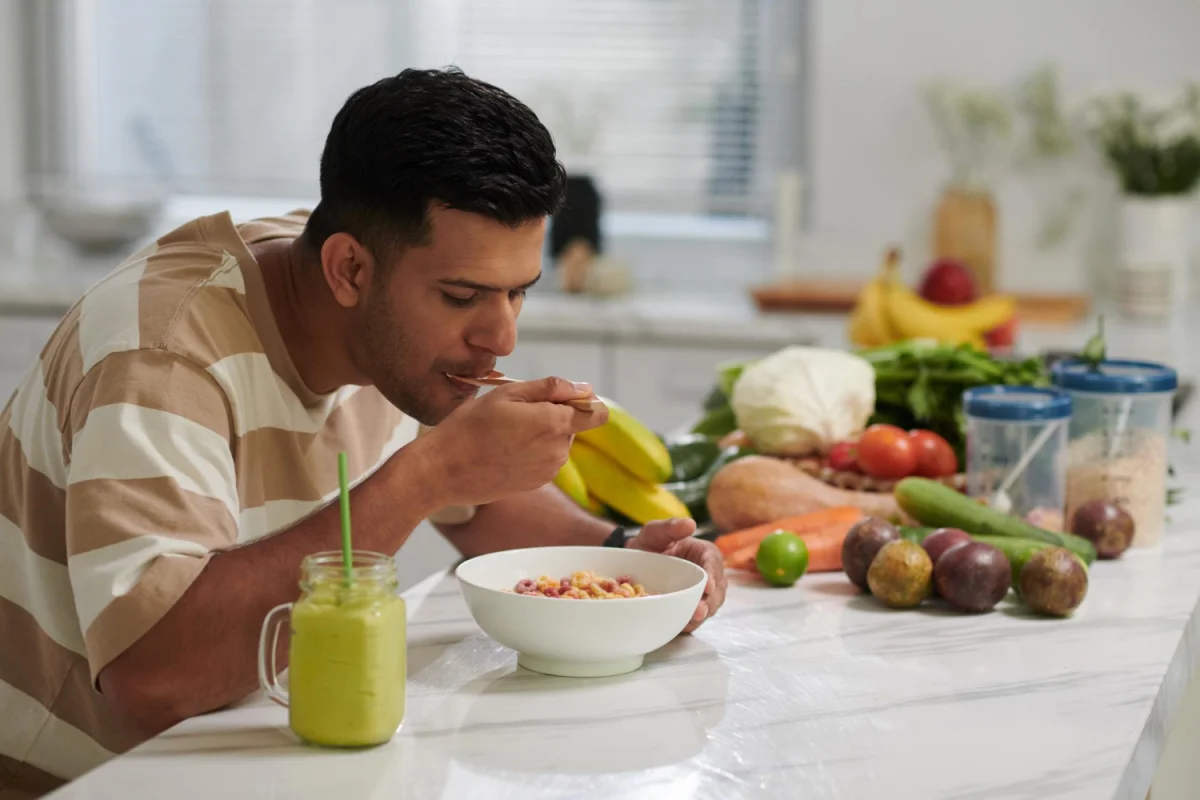
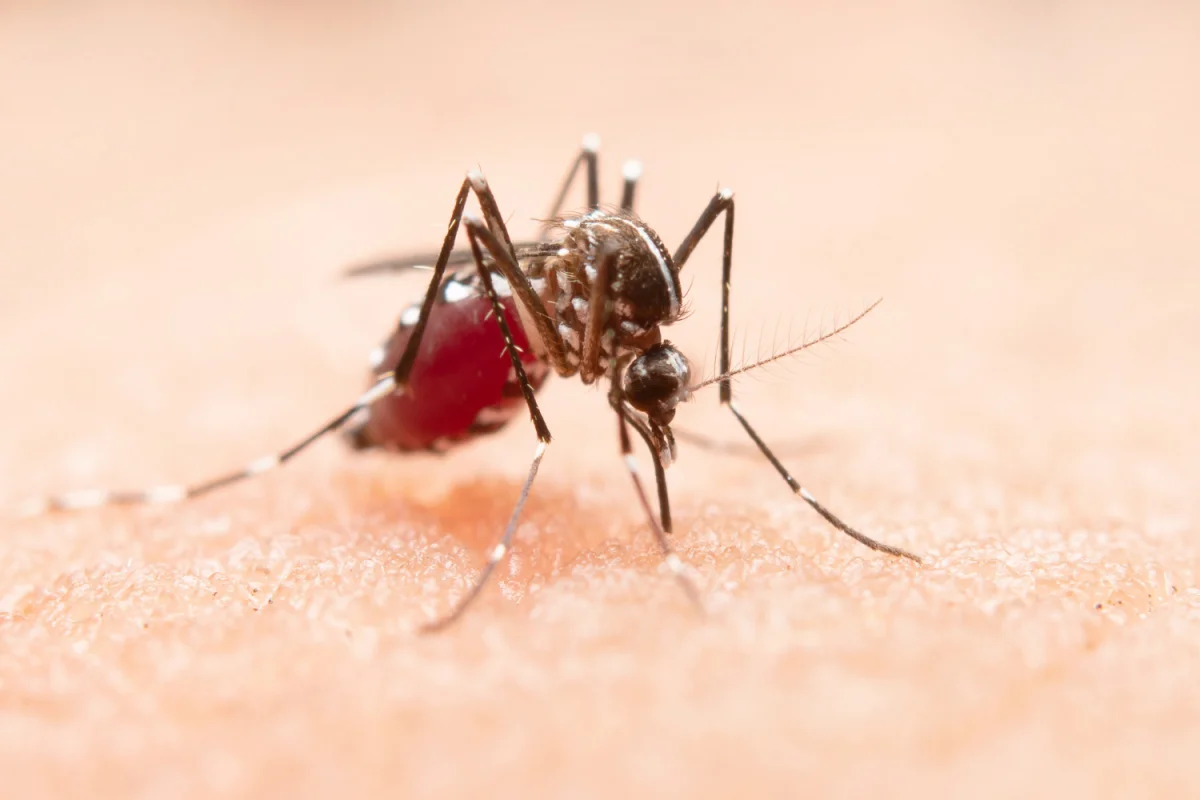
The monsoon season offers lower temperatures, lush vegetation, and respite from the summer heat. However, because of contaminated water, improper food handling, and the quick growth of bacteria, viruses, and parasites in humid environments, it also raises the danger of foodborne and waterborne illnesses.
Food poisoning, typhoid, cholera, hepatitis A, hepatitis E, gastroenteritis, and diarrheal illnesses are often more common during this period in hospitals. To protect yourself and your family, eating a nutritious monsoon diet is just as vital as maintaining proper cleanliness.
Your immunity, digestion, and general health can all be directly impacted by the foods you eat during the rainy season. You may greatly lower your risk of contracting seasonal infections by eating freshly prepared meals, drinking clean water, and avoiding high-risk foods.
To keep you healthy throughout the monsoon, we'll go over the best things to consume, foods to avoid, hydration advice, and useful nutritional suggestions in this article.
Why Are Waterborne Diseases More Common During the Monsoon?
Heavy rains can contaminate drinking water supplies by mixing sewage, industrial waste, and harmful microorganisms with water sources. Increased humidity also encourages bacterial and fungal growth, making food spoil more quickly.
Common waterborne diseases seen during the rainy season include:
- Typhoid Fever
- Cholera
- Hepatitis A
- Hepatitis E
- gastroenteritis
- Food poisoning
- Dysentery
- Amoebiasis
These illnesses are primarily caused by consuming contaminated food or water. Proper food handling and healthy eating habits can greatly reduce the risk.
How Diet Helps Prevent Seasonal Infections
A balanced diet cannot completely prevent infections, but it plays a vital role in supporting your body's natural defenses.
A nutritious monsoon diet helps:
- Strengthen the immune system
- Improve digestion
- Maintain healthy gut bacteria
- Reduce exposure to contaminated food
- Prevent dehydration
- Support faster recovery from illness
Choosing safe, freshly prepared foods also minimizes the risk of bacterial contamination.
Best Foods to Eat During the Monsoon
1. Freshly Cooked Home-Cooked Meals
One of the safest choices during the rainy season is freshly prepared home-cooked food. Fresh meals are less likely to contain harmful bacteria than food left at room temperature or reheated multiple times.
Choose:
- Fresh rice
- Dal
- Khichdi
- Chapati
- Vegetable curries
- Homemade soups
Avoid storing cooked food for long periods, especially without refrigeration.
2. Seasonal Fruits
Fruits provide essential vitamins, minerals, antioxidants, and dietary fiber. The safest fruits during the monsoon include:
- Apples
- Bananas
- Papaya
- Pomegranates
- Pears
- Oranges
Always wash fruits thoroughly with clean water before eating. Whenever possible, choose fruits that can be peeled before consumption. Avoid buying pre-cut fruits from roadside vendors.
3. Cooked Vegetables
Although vegetables are healthy, eating them raw during the monsoon increases the risk of consuming bacteria and parasites. Instead, prefer:
- Steamed vegetables
- Boiled vegetables
- Stir-fried vegetables
- Lightly sautéed vegetables
Cooking destroys many harmful microorganisms and makes vegetables safer to consume.
4. Whole Grains
Whole grains provide complex carbohydrates, fiber, vitamins, and minerals. Good options include:
- Brown rice
- Millets
- Oats
- Whole wheat
- Quinoa
- Barley
These foods support digestive health and provide sustained energy throughout the day.
5. Protein-Rich Foods
Protein is essential for tissue repair and immune function. Healthy protein sources include:
- Eggs
- Lentils
- Chickpeas
- Kidney beans
- Tofu
- Paneer
- Chicken
- Fish
Ensure all meat, poultry, and seafood are cooked thoroughly before eating. Avoid undercooked or raw animal products.
6. Probiotic Foods
A healthy gut plays an important role in maintaining overall health. Probiotic-rich foods help maintain beneficial bacteria in the digestive system Healthy choices include:
- Fresh curd
- Yogurt
- Homemade buttermilk
Consume only fresh, hygienically prepared dairy products that have been stored properly.
7. Herbal Drinks
Warm beverages are often comforting during the rainy season. Some commonly consumed drinks include:
- Ginger tea
- Tulsi (Holy Basil) tea
- Lemon water prepared with safe drinking water
- Warm vegetable soup
These beverages can help maintain hydration and are generally soothing, though they should not be considered a treatment for illness.
8. Foods Rich in Vitamin C
Vitamin C supports normal immune function. Include foods such as:
- Oranges
- Guava
- Kiwi
- Amla (Indian Gooseberry)
- Sweet lime
Wash fruits thoroughly before consumption.
Importance of Staying Hydrated
Many people mistakenly believe they need less water during the rainy season because the weather is cooler. However, dehydration can still occur due to fever, diarrhea, vomiting, or reduced fluid intake. Good hydration helps:
- Maintain blood circulation
- Support digestion
- Prevent constipation
- Regulate body temperature
- Improve overall health
Aim to drink adequate fluids throughout the day, even if you don't feel particularly thirsty.
Healthy Snacks During the Monsoon
Instead of unhealthy fried snacks, consider healthier alternatives such as:
- Roasted chana
- Mixed nuts
- Fresh fruit
- Homemade sprouts (well-cooked if preferred)
- Vegetable soup
- Corn on the cob (freshly cooked)
- Boiled peanuts
- Homemade poha
- Idli with sambar
These snacks are nutritious and easier to digest than heavily processed foods.
Why Home-Cooked Food Is the Safest Choice
Restaurant food and street food may be exposed to dust, flies, contaminated water, and improper storage during the rainy season. Preparing meals at home allows you to:
- Use clean water
- Maintain kitchen hygiene
- Control ingredient quality
- Ensure proper cooking temperatures
- Reduce the risk of contamination
Whenever possible, opt for freshly made meals at home rather than ones that have been left out for a long time.
Foods to Steer Clear of in the Monsoon
Avoiding foods that are more prone to be contaminated during the rainy season is just as important as maintaining a balanced diet. Rapid growth of bacteria, viruses, fungi, and parasites is made possible by warm temperatures and high humidity. You may greatly lower your risk of waterborne illnesses and Food poisoning by making wise eating choices.
1. Street Food
Street food is one of the biggest contributors to foodborne illnesses during the monsoon. Although it may be tempting to enjoy your favorite snacks on a rainy day, food sold in open environments is often exposed to dust, flies, polluted rainwater, and poor hygiene. Common street foods to avoid include:
- Pani Puri
- Chaat
- Bhel Puri
- Sandwiches with raw vegetables
- Cut fruits
- Fresh fruit juices from roadside stalls
- Sugarcane juice
- Ice golas
These foods may be prepared using contaminated water or stored in unsafe conditions, increasing the risk of infections such as typhoid, cholera, hepatitis A, and gastroenteritis.
2. Raw Salads
Raw vegetables can carry harmful bacteria, parasites, and pesticide residues if they are not washed properly. During the rainy season, it is safer to consume vegetables after they have been thoroughly cooked. If you prefer salads:
- Wash vegetables under clean running water.
- Use safe drinking water for rinsing
- Prepare them fresh at home.
- Consume immediately after preparation.
3. Leafy Green Vegetables
Leafy vegetables are highly nutritious but require extra care during the monsoon. Leaves can trap:
- Mud
- Insect eggs
- Worms
- Bacteria
- Parasites
If you consume leafy vegetables:
- Wash them several times using clean water.
- Cook them thoroughly.
- Avoid eating them raw.
Popular leafy vegetables include spinach, fenugreek, coriander, lettuce, and cabbage.
4. Seafood from Unreliable Sources
Fish and seafood spoil quickly during humid weather. Poor storage or transportation can increase the risk of food poisoning. Choose seafood only if it:
- Looks fresh
- Smells fresh
- Has been refrigerated properly
- Is cooked thoroughly
Avoid raw or partially cooked seafood during the rainy season.
5. Undercooked Meat and Eggs
Meat, poultry, and eggs should always be cooked completely. Undercooked animal products may contain harmful bacteria such as:
- Salmonella
- Campylobacter
- E. coli
Ensure food reaches a safe internal cooking temperature before serving.
6. Fried and Oily Foods
Rainy weather often increases cravings for fried snacks like pakoras, samosas, chips, and bhajis. While enjoying them occasionally is fine, frequent consumption may lead to:
- Indigestion
- Acidity
- Bloating
- Weight gain
Instead, choose healthier homemade snacks prepared with fresh ingredients
7. Leftover Food
Food kept at room temperature for several hours becomes a breeding ground for bacteria. If you have leftovers:
- Refrigerate them promptly.
- Reheat thoroughly before eating.
- Avoid consuming leftovers stored for an extended period. When in doubt, discard the food.
8. Cut Fruits and Fresh Juices
Pre-cut fruits sold in markets or by roadside vendors are more likely to become contaminated. Fresh fruit juices prepared with unsafe water or ice may also increase the risk of infection. Instead:
- Buy whole fruits.
- Wash them thoroughly.
- Cut them just before eating.
Diet Tips for Older Adults
Older adults may have reduced immunity and are at greater risk of dehydration and infections. Recommended dietary practices include:
- Small, frequent meals
- Adequate fluid intake
- Soft, easy-to-digest foods
- Fresh fruits
- Well-cooked vegetables
- Protein-rich meals
Monitor for signs of dehydration, especially if diarrhea or vomiting occurs.