



Persistent Knee Pain: Causes, Symptoms, and Why Early Treatment Matters
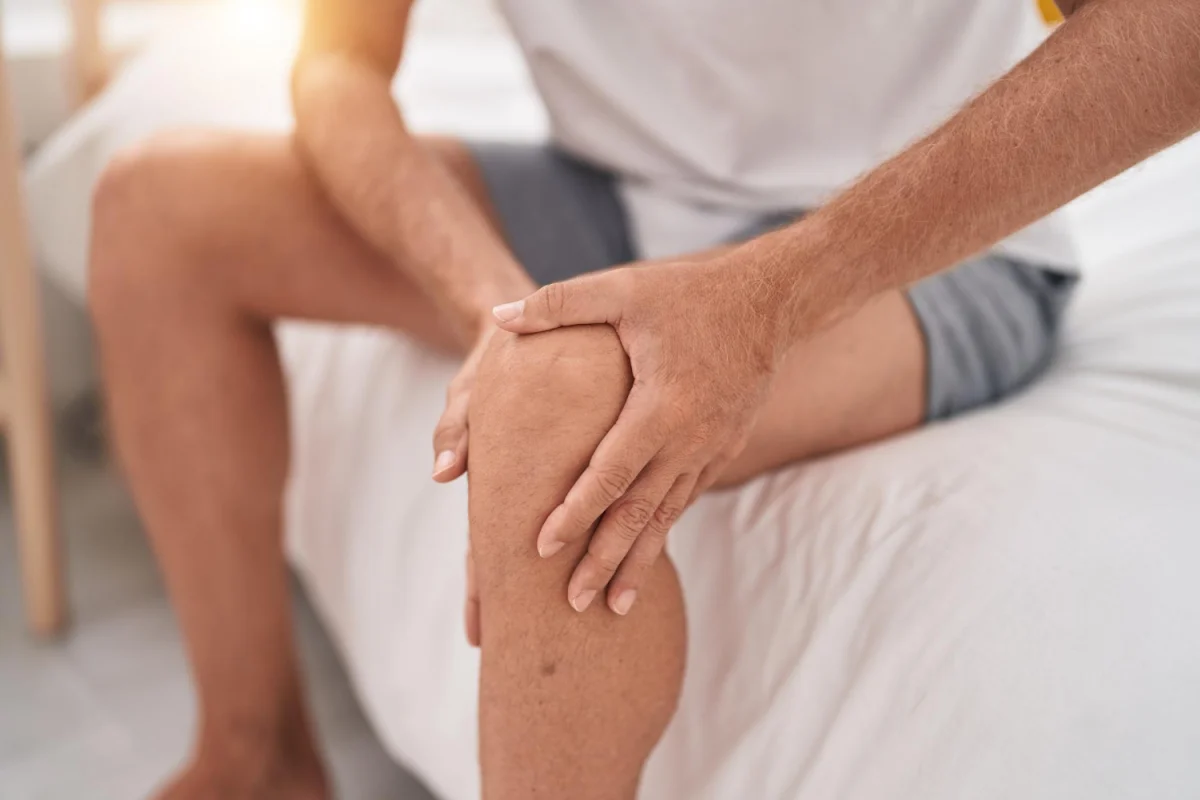
Knee pain is one of the most common musculoskeletal problems affecting people across different age groups. Whether it occurs while walking, climbing stairs, standing for long periods, exercising, or simply getting out of bed, knee discomfort can significantly affect everyday activities.
Occasional knee pain may develop after physical activity, minor injuries, or temporary strain. However, when the discomfort continues for several days or weeks, repeatedly returns, or gradually becomes worse, it should not be ignored.
Persistent knee pain can be associated with several underlying conditions, including osteoarthritis, ligament injuries, cartilage damage, inflammation, and other joint-related disorders. Identifying the actual cause is important because the appropriate treatment depends on the condition responsible for the pain.
Many people delay visiting an orthopedic specialist, assuming that knee pain is simply a normal part of ageing. Others rely on painkillers, home remedies, or temporary rest without understanding the underlying problem.
While these measures may provide temporary relief, they may not address the root cause.
Early evaluation helps doctors identify joint problems, recommend appropriate treatment, prevent avoidable complications, and support better mobility.
Understanding the causes, symptoms, and treatment options for persistent knee pain can help you take informed steps towards maintaining healthy joints.
What Is Persistent Knee Pain?
Persistent knee pain refers to discomfort in or around the knee joint that continues over time, repeatedly occurs, or does not improve as expected.
The knee is one of the largest and most complex joints in the human body. It connects the thigh bone (femur) to the shin bone (tibia), with the kneecap (patella) positioned at the front.
The joint contains several structures that work together to provide stability, flexibility, and movement.
These include:
- Bones: The femur, tibia, and patella form the main structure of the knee.
- Cartilage: Helps reduce friction and allows smooth movement between the bones.
- Meniscus: Two pieces of cartilage-like tissue that act as shock absorbers between the thigh and shin bones.
- Ligaments: Strong bands of tissue that connect bones and provide joint stability.
- Tendons: Connect muscles to bones and support movement.
- Muscles: Help control knee movement and maintain stability.
Damage, inflammation, wear and tear, or injury involving any of these structures can lead to knee pain.
The discomfort may be mild initially but can gradually interfere with walking, bending, standing, and other daily activities.
Common Causes of Persistent Knee Pain
There are several reasons why knee pain may continue for an extended period. Identifying the underlying cause is the first step towards appropriate treatment.
1. Osteoarthritis
Osteoarthritis is one of the common causes of long-term knee pain, particularly among older adults.
It is a degenerative joint condition in which the protective cartilage gradually changes and becomes damaged. This can result in increased friction, stiffness, pain, and difficulty moving the knee.
- Pain during walking or physical activity.
- Stiffness after waking up or sitting for a long time.
- Swelling around the knee
- Reduced joint flexibility.
- Difficulty climbing stairs.
- A grinding or clicking sensation during movement.
Osteoarthritis can develop gradually and may affect one or both knees.
Early diagnosis and appropriate management can help improve mobility and maintain quality of life.
2. Ligament Injuries
Ligaments are strong tissues that connect bones and help stabilise the knee joint.
Injuries to the anterior cruciate ligament (ACL), posterior cruciate ligament (PCL), medial collateral ligament (MCL), or lateral collateral ligament (LCL) can cause significant pain and instability.
These injuries commonly occur during sports, sudden changes in direction, twisting movements, falls, or accidents.
- Sudden knee pain.
- Swelling after an injury.
- A popping sensation at the time of injury.
- Difficulty bearing weight.
- A feeling that the knee may give way
- Reduced knee movement.
Some ligament injuries may require structured rehabilitation, while more severe injuries may need surgical assessment.
3. Meniscus Tears
The meniscus is a C-shaped cartilage structure that acts as a cushion between the thigh bone and shin bone.
A meniscus tear can occur due to sudden twisting movements, sports injuries, or age-related degeneration.
People with meniscus injuries may experience:
- Pain along the joint line.
- Swelling or stiffness.
- Difficulty bending or straightening the knee.
- A catching or locking sensation.
- Pain during twisting or squatting.
The severity of the injury and the patient's activity requirements help determine the appropriate treatment.
4. Tendinitis
Tendinitis refers to irritation or inflammation of a tendon.
In the knee, patellar tendinitis affects the tendon connecting the kneecap to the shin bone. It is commonly associated with repetitive jumping, running, and other activities that place repeated stress on the knee.
Symptoms may include pain below the kneecap, discomfort during jumping, and tenderness around the affected tendon.
5. Bursitis
Bursae are small fluid-filled sacs that reduce friction between bones, tendons, and other tissues around joints.
When these sacs become inflamed, the condition is known as bursitis.
Knee bursitis can cause:
- Swelling around the knee.
- Tenderness when touching the affected area.
- Pain while kneeling.
- Warmth around the joint.
- Discomfort during movement.
In some cases, bursitis may be associated with infection and requires prompt medical assessment.
6. Patellofemoral Pain Syndrome
Patellofemoral pain syndrome refers to pain around or behind the kneecap.
It is often associated with activities that repeatedly bend the knee, such as climbing stairs, squatting, running, or jumping.
It may occur due to changes in movement patterns, muscle weakness, or increased stress on the kneecap region.
7. Rheumatoid Arthritis and Other Inflammatory Conditions
Inflammatory joint conditions, including rheumatoid arthritis, can affect the knee and cause persistent pain, swelling, and stiffness.
Unlike osteoarthritis, rheumatoid arthritis is an autoimmune condition in which the immune system mistakenly attacks the body's joint tissues.
People may experience prolonged morning stiffness, swelling, tenderness, and symptoms affecting multiple joints.
Early diagnosis is important to reduce the risk of progressive joint damage.
Symptoms of Persistent Knee Pain You Should Not Ignore
Knee pain can present differently depending on the underlying condition. Recognising changes in the joint can help you understand when professional evaluation may be necessary.
1. Pain While Walking
Pain during walking, particularly when covering short distances, may indicate joint degeneration, cartilage damage, or other musculoskeletal conditions.
2. Difficulty Climbing or Descending Stairs
Pain while climbing or descending stairs can be associated with osteoarthritis or patellofemoral pain syndrome.
3. Swelling Around the Knee
Swelling may develop due to inflammation, injury, fluid accumulation, or infection. Sudden or significant swelling requires medical evaluation.
4. Morning Stiffness
Difficulty bending or straightening the knee after waking up may occur in people with osteoarthritis or inflammatory joint conditions.
5. Knee Locking or Giving Way
If your knee gets stuck during movement or suddenly feels unstable, it may indicate an underlying meniscus or ligament problem.
6. Reduced Range of Motion
Difficulty bending, straightening, or fully moving the knee can affect routine activities and indicate a problem requiring assessment.
7. Pain at Night
Knee discomfort that repeatedly disturbs sleep should not be ignored, particularly when accompanied by swelling, worsening symptoms, or unexplained weight loss.
When Should You See an Orthopedic Doctor for Knee Pain?
Not every episode of knee pain requires immediate medical intervention. Mild discomfort following physical activity may improve with appropriate rest and temporary activity modification.
However, persistent or worsening symptoms should be evaluated by an orthopedic specialist.
Consider scheduling an orthopedic consultation if:
- Knee pain continues for more than a few weeks.
- Pain repeatedly returns after physical activity.
- Walking or climbing stairs becomes difficult.
- You experience recurring swelling.
- Your knee feels unstable while standing.
- You have difficulty bending or straightening your knee
- Knee discomfort affects your sleep or daily activities.
- Home care does not provide sufficient improvement.
Seek urgent medical attention if you experience severe pain after an injury, cannot bear weight, notice a deformed knee, develop sudden significant swelling, or have a hot, red, swollen knee accompanied by fever or chills. These symptoms may indicate a fracture, serious injury, or joint infection.
NHS+2
Early consultation can help identify the cause of knee pain and determine whether conservative treatment, rehabilitation, medication, or surgery is appropriate.
How Is Persistent Knee Pain Diagnosed?
An accurate diagnosis is essential for selecting the right treatment. An orthopedic specialist generally considers the patient's symptoms, medical history, physical examination findings, and diagnostic investigations.
The following steps may be involved.
1. Medical History
The doctor may ask questions about:
- When the pain started.
- Whether the pain developed suddenly or gradually.
- Previous knee injuries or surgeries.
- Activities that increase or reduce discomfort.
- Presence of swelling or stiffness.
- Existing medical conditions.
- Previous treatments and medications.
2. Physical Examination
During the examination, the orthopedic specialist may assess:
- Knee swelling and tenderness.
- Joint alignment.
- Range of movement.
- Muscle strength
- Ligament stability.
- Walking pattern.
- Pain during specific movements.
Certain clinical tests may help identify ligament injuries, meniscus problems, or kneecap-related conditions.
3. X-ray
An X-ray helps examine the bones and joint structure. It may identify fractures, joint-space narrowing, bone abnormalities, and changes associated with osteoarthritis.
4. MRI Scan
Magnetic Resonance Imaging (MRI) provides detailed images of the soft tissues inside the knee.
It may help identify:
- ACL and other ligament injuries.
- Meniscus tears.
- Cartilage damage.
- Tendon injuries.
- Certain bone and joint abnormalities.
5. Ultrasound
Ultrasound may help assess certain soft tissue conditions, fluid accumulation, tendon problems, and bursitis.
6. Blood Tests and Joint Fluid Analysis
If the doctor suspects an inflammatory condition, gout, or joint infection, blood investigations or examination of fluid collected from the joint may be recommended.
Not every patient requires every investigation. The choice of diagnostic tests depends on the symptoms and findings during the clinical assessment.
Treatment Options for Persistent Knee Pain
Treatment depends on the underlying cause, severity of symptoms, age, activity level, and overall health of the patient.
Many knee conditions can be managed without surgery. However, certain injuries and advanced joint conditions may require surgical intervention.
1. Medication
Doctors may recommend appropriate medications to manage pain and inflammation.
The choice of medication depends on the patient's medical history, existing conditions, and the cause of knee pain.
Self-medication and prolonged use of painkillers should be avoided because certain medicines may cause side effects or interact with other treatments.
2. Physiotherapy
Physiotherapy plays an important role in managing many knee conditions.
A physiotherapist may recommend exercises designed to:
- Strengthen the muscles supporting the knee.
- Improve flexibility.
- Increase joint mobility.
- Improve balance and stability.
- Correct movement patterns.
- Support recovery after an injury or surgery.
A structured rehabilitation programme can help improve function and reduce the risk of recurrent problems
3. Lifestyle Modification and Weight Management
Excess body weight can increase the mechanical load placed on the knee joints.
Maintaining a healthy weight may help reduce stress on the knees, particularly in people with osteoarthritis.
Doctors may recommend low-impact activities, dietary improvements, and gradual changes in daily routines
4. Knee Support and Braces
Depending on the condition, knee supports or braces may help provide stability, reduce discomfort, or protect the joint during specific activities.
These devices should be selected based on medical advice rather than used as a replacement for proper diagnosis and treatment.
5. Injections
In selected patients, doctors may consider injections to manage symptoms.
Depending on the diagnosis, treatment options may include corticosteroid injections or other selected injection-based therapies.
The benefits, limitations, and potential risks should be discussed with the treating specialist. Not all injections are suitable for every knee condition, and evidence of effectiveness varies between treatments.
6. Arthroscopic Surgery
Arthroscopy is a minimally invasive surgical technique that allows surgeons to examine the inside of the knee using a small camera.
It may be recommended for selected conditions, such as certain meniscus injuries, loose bodies, or specific ligament-related problems.
However, arthroscopy is not routinely beneficial for every patient with knee osteoarthritis. The decision depends on the specific diagnosis and clinical findings.
7. Knee Replacement Surgery
For people with advanced knee osteoarthritis and significant damage to the joint, knee replacement surgery may be considered.
During this procedure, damaged joint surfaces are replaced with artificial components designed to improve joint function and reduce pain.
Knee replacement may be recommended when:
- Severe pain affects everyday activities.
- Walking becomes increasingly difficult
- Sleep is regularly disturbed by knee pain.
- Joint damage is advanced.
- Non-surgical treatments have not provided adequate relief.
The decision to undergo surgery should be based on symptoms, functional limitations, imaging findings, overall health, and a detailed discussion with the orthopedic surgeon.
Importantly, not everyone with persistent knee pain needs surgery. Many people benefit from non-surgical treatment and rehabilitation.
How Can You Manage Knee Pain at Home?
Appropriate home care may help relieve mild knee discomfort while the underlying condition improves. However, home treatment should not delay medical assessment when warning signs are present.
Consider these general measures:
1. Give Your Knee Appropriate Rest
Temporarily reduce activities that increase pain, such as running, jumping, deep squatting, or prolonged standing.
Avoid complete inactivity for extended periods unless specifically advised by your doctor.
2. Apply an Ice Pack
An ice pack wrapped in a towel may help reduce pain and swelling. Apply it for approximately 15–20 minutes at a time.
Never place ice directly on the skin.
3. Elevate Your Leg
If your knee is swollen, resting with your leg elevated may help manage swelling.
4. Avoid Excessive Strain
Avoid suddenly increasing exercise intensity or performing movements that worsen your symptoms.
5. Choose Appropriate Physical Activity
Depending on the condition, low-impact activities such as swimming or stationary cycling may be more comfortable than high-impact exercises.
6. Maintain a Healthy Weight
A healthy body weight can reduce unnecessary pressure on the knee joints and support better mobility.
7. Follow Professional Advice
Do not begin intense knee exercises, use braces, or take pain medications without considering your specific condition and medical history.
For mild knee pain, these measures may help. Persistent symptoms require appropriate medical evaluation.
Tips to Maintain Healthy Knees and Prevent Future Problems
Taking care of your knee joints is important at every stage of life. A few consistent lifestyle practices can help maintain strength, flexibility, and mobility.
- Exercise regularly: Include suitable strengthening and flexibility exercises in your routine.
- Warm up before exercise: Prepare your muscles and joints before engaging in sports or strenuous physical activity.
- Maintain proper posture: Use correct techniques while lifting weights, squatting, and performing physical activities.
- Wear appropriate footwear: Choose comfortable footwear that provides adequate support.
- Avoid sudden increases in activity: Gradually increase exercise intensity to reduce unnecessary stress on the knee.
- Maintain a healthy weight: Managing weight can help reduce pressure on the knee joints.
- Do not ignore injuries: Seek appropriate medical advice if knee pain, swelling, or instability develops after an injury.
- Follow regular health assessments: Consult a healthcare professional if you have recurring joint discomfort or mobility difficulties.
Conclusion: Don't Ignore Persistent Knee Pain
Knee pain should not automatically be considered a normal consequence of ageing. Although mild discomfort may improve with appropriate rest and activity modification, persistent or recurring pain can indicate an underlying joint condition that requires medical attention.
Conditions such as osteoarthritis, ligament injuries, meniscus tears, and inflammatory disorders can affect knee movement and overall quality of life.
Early evaluation by an orthopedic specialist helps identify the cause, determine the most appropriate treatment, and prevent unnecessary delays in care.
Whether the treatment involves medication, physiotherapy, lifestyle changes, injections, or surgery, the primary objective is to reduce discomfort, restore mobility, and help patients return to their everyday activities.
Healthy knees mean better movement, greater independence, and a better quality of life.
If you are experiencing persistent knee pain, consult an orthopedic specialist for an appropriate evaluation and treatment plan.
Frequently Asked Questions
Persistent knee pain can result from osteoarthritis, ligament injuries, meniscus tears, tendinitis, bursitis, inflammatory arthritis, or cartilage damage. An orthopedic examination can help identify the underlying cause.
You should seek medical attention if knee pain continues for several weeks, repeatedly returns, or interferes with walking and daily activities. Severe pain, sudden swelling, inability to bear weight, or fever with a hot and red knee requires urgent assessment.
Walking may benefit certain people with knee osteoarthritis and other joint conditions. However, the suitability of walking depends on the underlying cause and severity of symptoms. Reduce activity if it increases pain or swelling and consult your doctor.
No. Knee pain can result from injuries, ligament damage, meniscus tears, tendon problems, inflammation, and several other conditions. Arthritis is only one possible cause.
Yes. Many knee conditions can be managed with medication, physiotherapy, lifestyle modifications, weight management, and other non-surgical treatments. Surgery is considered only when clinically appropriate.
The appropriate investigation depends on the suspected condition. X-rays help assess bones and joint changes, while MRI scans provide detailed images of ligaments, cartilage, tendons, and other soft tissues. Ultrasound may help assess selected soft tissue problems.
Excess body weight increases the mechanical load on knee joints and can contribute to the development or worsening of osteoarthritis. Weight management may help reduce joint stress and improve mobility.
No. Age alone does not determine the need for knee replacement. Surgery may be considered when advanced joint damage causes significant pain and functional limitations despite appropriate non-surgical treatment.
Pain while climbing stairs may be associated with osteoarthritis, patellofemoral pain syndrome, cartilage problems, or other knee conditions. A clinical assessment can help determine the actual cause.
Yes. A personalised physiotherapy programme can improve muscle strength, flexibility, joint stability, and movement. It is an important component of treatment for many knee conditions.