



What Is a Cath Lab? Procedures, Benefits and Its Role in Heart Treatment
Heart disease is one of the major health concerns affecting people across the world. Conditions such as coronary artery disease, heart attacks, abnormal heart rhythms, and structural heart problems require timely diagnosis and appropriate medical care.
With advancements in medical technology, doctors can now diagnose and treat several heart conditions using minimally invasive procedures without always requiring traditional open-heart surgery.
One of the most important facilities supporting these treatments is a Cardiac Catheterisation Laboratory, commonly known as a Cath Lab.
But what is a cath lab, how does it work, and why is it important in modern heart treatment?
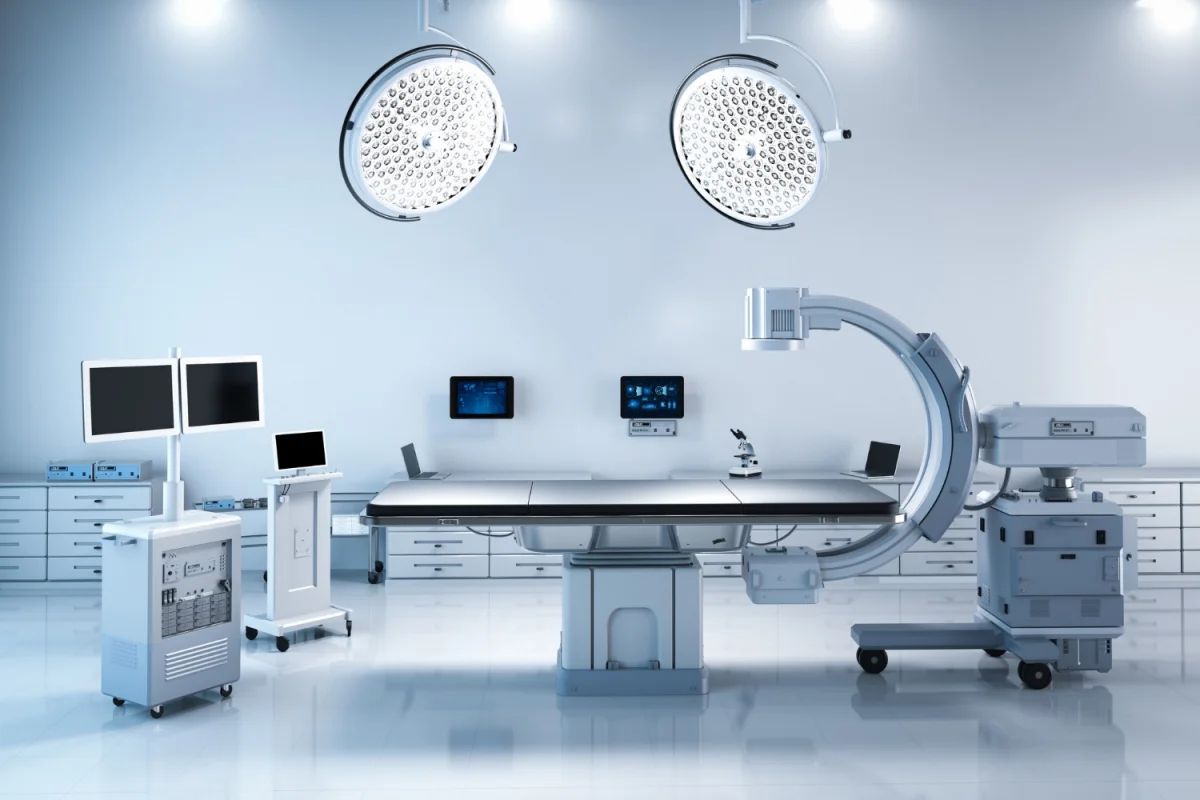
A cath lab is a specialised medical facility equipped with advanced imaging technology that allows cardiologists to examine the heart, assess blood flow through coronary arteries, and perform selected procedures to diagnose and treat cardiovascular conditions.
Procedures such as coronary angiography, coronary angioplasty, and stent placement are commonly performed in a cath lab.
For patients experiencing symptoms such as chest pain, breathlessness, or suspected heart attack, timely access to appropriate cardiac facilities can play an important role in diagnosis and treatment.
Understanding how a cath lab works can help patients and their families feel more informed and confident when a cardiologist recommends a cardiac procedure.
What Exactly Is a Cath Lab?
A Cath Lab is a specialised procedure room designed for cardiac catheterisation and other image-guided cardiovascular procedures.
It uses advanced X-ray imaging technology, commonly called fluoroscopy, to create real-time images of the heart and blood vessels.
During a procedure, a cardiologist inserts a thin, flexible tube called a catheter into a blood vessel, usually through the wrist or groin. The catheter is carefully guided towards the heart.
Depending on the procedure, doctors may use the catheter to:
- Examine coronary arteries.
- Identify narrowing or blockages in blood vessels.
- Measure pressure inside the heart.
- Assess blood flow.
- Open narrowed coronary arteries.
- Place stents to help maintain blood flow.
- Perform selected structural heart procedures.
- Evaluate certain electrical or rhythm-related heart conditions.
The imaging equipment helps doctors guide the catheter accurately and monitor the procedure.
Unlike traditional open-heart surgery, many catheter-based procedures are performed through small entry points in blood vessels.
However, the suitability of a procedure depends on the patient's condition, the complexity of the disease, and the cardiologist's assessment.
Why Is a Cath Lab Important in Heart Treatment?
The heart requires a continuous supply of oxygen-rich blood to function properly. Coronary arteries deliver this blood to the heart muscle.
When these arteries become narrowed or blocked, the heart may not receive enough oxygen. This can lead to coronary artery disease, angina, or a heart attack.
A cath lab helps doctors identify these problems and perform appropriate interventions.
Its major benefits include:
1. Accurate Diagnosis of Heart Conditions
A cath lab allows doctors to examine coronary arteries and identify areas of narrowing or blockage using coronary angiography.
2. Minimally Invasive Treatment
Many cardiac procedures can be performed through a small puncture in the wrist or groin, avoiding the need for a large surgical incision.
3. Timely Treatment of Selected Heart Attacks
In patients with certain types of heart attacks, particularly ST-elevation myocardial infarction (STEMI), emergency coronary angioplasty may restore blood flow to the affected heart muscle.
4. Real-Time Imaging
Advanced imaging systems provide real-time views of blood vessels and catheter movement, helping cardiologists perform procedures with greater precision.
5. Reduced Recovery Time in Many Procedures
Compared with major open-heart surgery, selected catheter-based procedures generally involve shorter hospital stays and faster recovery.
The actual recovery period depends on the procedure, the patient's health, and any complications.
Common Procedures Performed in a Cath Lab
A cath lab supports several diagnostic and interventional cardiac procedures. The cardiologist recommends a specific procedure depending on the patient's symptoms, test results, and medical condition.
1. Coronary Angiography
Coronary angiography is one of the most commonly performed procedures in a cath lab.
It is a diagnostic investigation used to examine the coronary arteries and identify narrowing or blockages that may restrict blood flow to the heart.
How does coronary angiography work?
- The patient is positioned on a specialised X-ray table.
- The doctor numbs the selected entry site, usually the wrist or groin.
- A thin catheter is inserted into the blood vessel.
- The catheter is guided towards the coronary arteries using X-ray imaging.
- A contrast dye is injected through the catheter.
- X-ray images are captured to identify narrowed or blocked areas.
The resulting images help cardiologists understand the location and severity of coronary artery disease.
Based on the findings, the doctor may recommend medication, angioplasty, stenting, or bypass surgery, depending on the patient's condition.
2. Coronary Angioplasty
Coronary angioplasty is a minimally invasive procedure used to open narrowed or blocked coronary arteries.
It is also known as Percutaneous Coronary Intervention (PCI).
During the procedure, the cardiologist guides a catheter containing a small balloon towards the narrowed section of the artery.
The balloon is inflated to widen the affected area and improve blood flow.
In many cases, a stent is also placed to help keep the artery open.
Angioplasty may be recommended for selected patients with coronary artery disease and can be particularly important in treating certain types of heart attacks.
3. Stent Placement
A stent is a small expandable mesh tube placed inside a narrowed coronary artery.
Its purpose is to help maintain the opening of the artery and allow blood to flow more freely towards the heart muscle.
How does stent placement work?
- The cardiologist guides a catheter towards the affected artery.
- A balloon-mounted stent is positioned at the narrowed section.
- The balloon is inflated, expanding the stent.
- The balloon and catheter are removed.
- The stent remains inside the artery to support blood flow.
Many modern coronary stents are drug-eluting stents, which release medication to help reduce the risk of the treated artery narrowing again.
Patients who receive coronary stents are generally prescribed antiplatelet medicines to reduce the risk of blood clots. These medicines must be taken exactly as prescribed. Stopping them without medical advice can be dangerous.
4. Pacemaker-Related Procedures
A pacemaker is a small electronic device used to help regulate certain abnormal heart rhythms, particularly when the heart beats too slowly.
Pacemaker implantation is generally performed in a dedicated procedure room or cardiac operating facility rather than a conventional coronary angiography procedure.
Some specialised cardiac centres also use catheter-based procedures to assess and treat electrical problems affecting heart rhythm.
The exact facility and procedure depend on the type of cardiac intervention.
5. Balloon Valvuloplasty
Some patients develop narrowing of heart valves, making it difficult for blood to flow normally through the heart.
Balloon valvuloplasty is a catheter-based procedure that uses a balloon to widen a narrowed heart valve.
It may be considered for selected patients depending on the type of valve disease and overall medical condition.
6. Right Heart Catheterisation
Right heart catheterisation helps doctors measure pressure inside the right chambers of the heart and the blood vessels leading to the lungs.
It may be recommended when evaluating conditions such as pulmonary hypertension, heart failure, and certain complex cardiac disorders.
These measurements provide important information about how effectively the heart and lungs work together.
Not every cath lab performs every type of procedure. The available services depend on the hospital's infrastructure, technology, and specialist team.
When Does a Patient Need a Cath Lab?
A cardiologist may recommend a cath lab procedure when symptoms, examination findings, or diagnostic investigations indicate a possible heart or blood vessel problem.
Some common situations include:
1. Suspected Heart Attack
When a patient experiences symptoms suggesting a heart attack, doctors may recommend emergency coronary angiography to identify the blocked artery and determine whether immediate treatment is needed.
2. Persistent Chest Pain or Angina
Angina refers to chest discomfort caused by inadequate blood supply to the heart muscle. If symptoms suggest significant coronary artery disease, coronary angiography may be recommended.
3. Abnormal Cardiac Test Results
Certain ECG findings, stress test results, or other cardiac investigations may indicate the need for further evaluation through coronary angiography.
4. Suspected Coronary Artery Blockage
Patients with suspected significant narrowing of coronary arteries may require angiography to understand the extent of the disease.
5. Selected Heart Valve Conditions
Certain narrowed heart valves may be assessed or treated through catheter-based interventions.
6. Certain Complex Heart Conditions
Some structural heart conditions and congenital heart defects can be evaluated or treated using specialised catheter-based techniques.
The decision to perform a cath lab procedure is individualised. Not every patient with chest pain or an abnormal ECG needs angiography.
What Happens Before a Cath Lab Procedure?
Preparation is an important part of cardiac care. Before the procedure, the medical team evaluates the patient's overall health and explains the proposed investigation or treatment.
The preparation may include:
- Reviewing the patient's medical history.
- Checking blood pressure and heart rate.
- Performing an ECG and relevant blood investigations.
- Evaluating kidney function where appropriate.
- Reviewing current medications, particularly blood thinners and diabetes medicines
- Checking for previous allergic reactions to contrast dye.
- Explaining the procedure, potential risks, and expected recovery.
- Obtaining informed consent.
Depending on the procedure and hospital instructions, the patient may be asked to avoid eating or drinking for a specified period.
Patients should never independently stop prescribed medicines before the procedure. Medication adjustments should be made only according to the treating team's instructions.
Is a Cath Lab Procedure Safe?
Cardiac catheterisation and related procedures are commonly performed and are generally safe when carried out by appropriately trained medical professionals.
However, like every medical procedure, they carry certain risks.
Possible complications include:
- Bleeding or bruising at the catheter insertion site.
- Blood vessel injury.
- Infection
- Allergic reaction to contrast dye.
- Changes in heart rhythm.
- Blood clots.
- Kidney injury associated with contrast exposure in susceptible patients.
- Rarely, heart attack or stroke.
The likelihood of complications depends on the patient's medical condition, age, kidney function, the type of procedure, and other risk factors.
Before proceeding, the cardiologist discusses the expected benefits, potential risks, and available alternatives with the patient.
The purpose is to ensure that the procedure is medically appropriate and that the patient understands the treatment plan.
What Happens After a Cath Lab Procedure?
Recovery depends on whether the patient underwent a diagnostic angiogram, angioplasty, stent placement, or another intervention.
After the procedure, the patient is moved to a recovery area where medical professionals monitor their condition.
The care team may check:
- Heart rate and rhythm.
- Blood pressure.
- Oxygen levels.
- Catheter insertion site.
- Signs of bleeding or swelling.
- Overall recovery.
If the catheter was inserted through the wrist, the team may use a compression device to control bleeding.
If it was inserted through the groin, the patient may need to remain lying down for a specified period.
Some patients can return home the same day after an uncomplicated diagnostic procedure, while others may need overnight observation or a longer hospital stay.
Patients should follow the hospital's instructions regarding:
- Physical activity and lifting.
- Wound care.
- Bathing and dressing changes.
- Medication schedules.
- Follow-up appointments.
- Returning to work or driving.
After stent placement, taking prescribed antiplatelet medication consistently is especially important.
Patients should seek immediate medical assistance if they develop new chest pain, severe breathlessness, uncontrolled bleeding, or rapidly increasing swelling at the catheter insertion site.
How Does Advanced Cath Lab Technology Improve Heart Care?
Modern cath labs use advanced imaging and monitoring technologies to support accurate diagnosis and treatment.
Some important technological features include:
1. Digital Fluoroscopy
Provides real-time X-ray images that help cardiologists guide catheters and other instruments through blood vessels.
2. Advanced Imaging Systems
Help doctors visualise coronary arteries and identify areas of narrowing or blockage.
3. Haemodynamic Monitoring
Allows medical professionals to continuously monitor important parameters such as blood pressure and heart rhythm during procedures.
4. Radiation Management Technology
Modern systems include features designed to manage radiation exposure for patients and medical professionals.
5. Integrated Monitoring Equipment
Supports coordination between the cardiologist, nurses, and technical team throughout the procedure.
Technology plays an important role, but successful cardiac treatment also depends on specialist expertise, clinical judgement, appropriate patient selection, and coordinated emergency care.
Conclusion: Advanced Heart Care Through Modern Cath Lab Facilities
A cardiac catheterisation laboratory is an important part of modern cardiovascular care. It allows cardiologists to diagnose and treat several heart conditions using advanced imaging technology and minimally invasive procedures.
From coronary angiography and angioplasty to stent placement and selected structural heart interventions, cath labs play a significant role in managing coronary artery disease and certain cardiac emergencies.
For patients experiencing chest pain, breathlessness, or other symptoms associated with heart disease, timely medical evaluation is essential.
A cath lab alone does not guarantee successful treatment. The combination of experienced cardiologists, trained medical professionals, advanced technology, emergency preparedness, and appropriate post-procedure care is what supports effective cardiac treatment.
Your heart health matters. Early diagnosis and timely treatment can make a life-changing difference.
If your doctor recommends a cardiac evaluation or cath lab procedure, discuss your condition, treatment options, benefits, and potential risks with a qualified cardiologist.
Frequently Asked Questions
A cath lab, or cardiac catheterisation laboratory, is a specialised medical facility equipped with advanced imaging and monitoring systems. Cardiologists use it to diagnose and treat selected heart and blood vessel conditions through catheter-based procedures.
Most cardiac catheterisation procedures are performed using local anaesthesia at the catheter insertion site. Patients may experience slight pressure or discomfort, but significant pain is generally not expected. Sedation may also be provided depending on the procedure.
The duration depends on the type and complexity of the procedure. A diagnostic angiogram may take less time than an angioplasty with stent placement. Preparation and recovery also add to the total hospital time.
Yes. Coronary angiography is commonly performed in a cath lab using X-ray imaging and contrast dye to identify narrowing or blockages in the coronary arteries.
Angiography is primarily a diagnostic procedure used to examine blood vessels and identify blockages. Angioplasty is a treatment procedure used to widen narrowed or blocked arteries, often with the placement of a stent.
Most conventional coronary stents remain permanently inside the artery. They support the blood vessel and help maintain blood flow. Some specialised stent technologies have different characteristics.
Recovery varies depending on the patient's condition and whether complications occur. Many patients can resume light activities relatively soon, but strenuous activities and driving may need to be restricted temporarily according to medical advice.
Yes. Certain heart attacks, particularly STEMI, may be treated through emergency coronary angiography and angioplasty to restore blood flow to the affected heart muscle.
No. Angiography is recommended when the cardiologist believes that examining the coronary arteries will help diagnose or guide treatment. Many heart conditions can be managed through medication and other non-invasive investigations.
Possible risks include bleeding, bruising, blood vessel injury, contrast dye reactions, kidney injury in susceptible patients, and rarely more serious complications. The cardiologist evaluates individual risk before recommending the procedure.