



Why Heart Attack Risk Rises During Monsoon: A Cardiologist's Guide

Many people equate the monsoon season with lower temperatures, pleasant weather, and respite from the summer heat. Even if the rains are comforting, they also provide health risks that are frequently ignored. The higher risk of heart attacks during the monsoon season is one of the less well-known but important issues.
Variations in weather, humidity, air pressure, infections, dehydration, and pre-existing medical disorders can all put additional strain on the cardiovascular system, according to several studies and clinical observations. These seasonal variations may raise the risk of a cardiac emergency for people with high blood pressure, diabetes, obesity, high cholesterol, or a history of heart disease.
Recognizing the early warning signals and comprehending why the risk of a heart attack increases during the monsoon can save lives. In order to minimize issues and enhance results, prompt medical intervention and preventive care are essential.
Our cardiology specialists describe how monsoon weather impacts heart health, who is more vulnerable, how to identify signs, and doable actions you can take to safeguard your heart in this thorough guide.
Does Monsoon Really Increase the Risk of Heart Attacks?
Yes. While the rain itself does not cause a heart attack, the environmental and physiological changes associated with the monsoon can increase cardiovascular stress, particularly in people who already have underlying heart disease or multiple risk factors.
Several factors contribute to this increased risk, including:
- Sudden changes in temperature
- Increased humidity
- Fluctuations in atmospheric pressure
- Higher incidence of viral and bacterial infections
- Reduced physical activity
- Dietary changes
- Increased emotional and physical stress
- Poor control of chronic diseases
These factors may work together to trigger cardiac events in susceptible individuals.
How Weather Affects the Heart
Your heart works continuously to pump blood throughout your body. Environmental changes influence how hard the heart must work to maintain normal circulation.
During the monsoon:
- Blood vessels may constrict due to cooler temperatures.
- Blood pressure can fluctuate.
- Oxygen demand may change.
- Existing heart conditions may become unstable.
- Physical exertion may become more difficult because of high humidity.
These changes can increase the workload on the heart, especially in people with narrowed coronary arteries.
Why Heart Attack Risk Increases During the Monsoon
1. Sudden Drop in Temperature
Although monsoon weather is generally cooler than summer, sudden changes in temperature can cause blood vessels to narrow (vasoconstriction).
Narrow blood vessels can:
- Increase blood pressure
- Reduce blood flow to the heart
- Increase the heart's workload
- Trigger chest pain in susceptible individuals
People with coronary artery disease may experience worsening symptoms during these temperature fluctuations.
2. High Humidity Levels
Humidity affects how efficiently the body regulates temperature.
High humidity can:
- Reduce the body's ability to cool itself
- Increase fatigue
- Cause dehydration
- Increase stress on the heart
People often underestimate dehydration during the rainy season because they sweat less visibly than during summer.
Even mild dehydration can:
- Reduce blood volume
- Increase heart rate
- Affect blood pressure
- Increase cardiovascular strain
3. Increased Risk of Infections
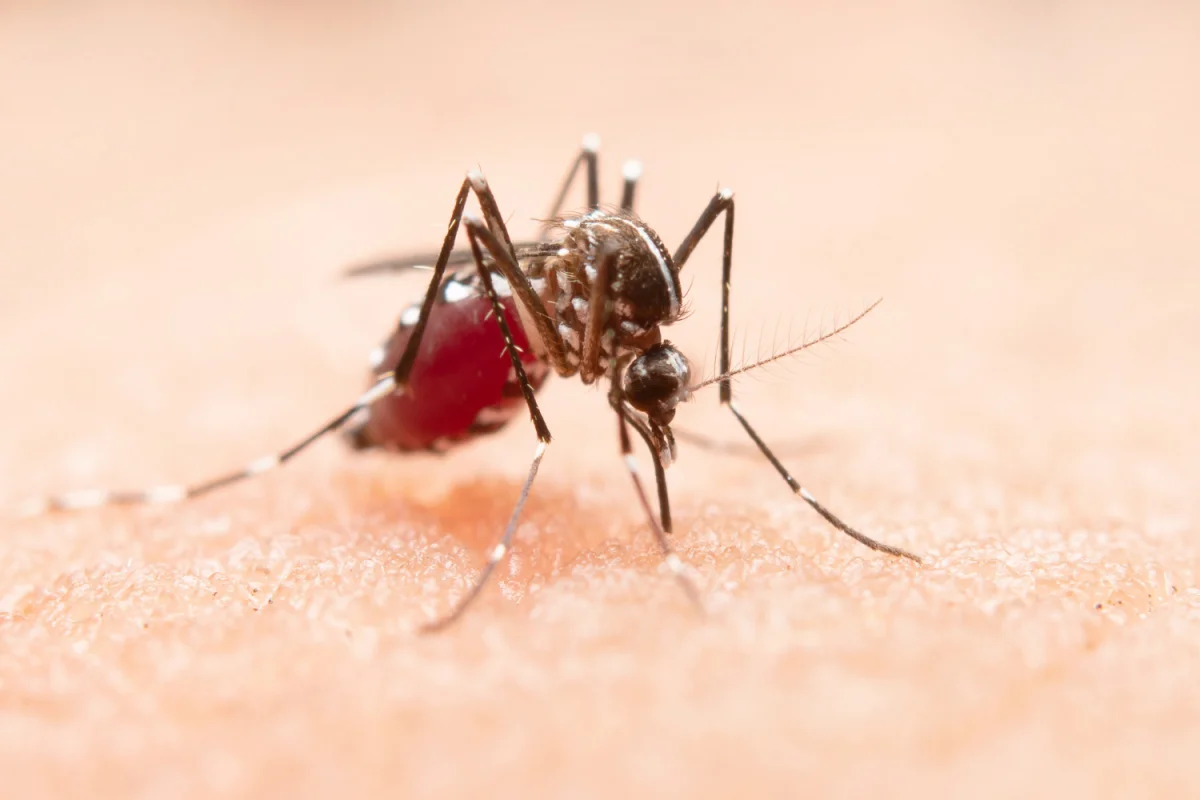
The monsoon season is associated with a higher incidence of infections such as:
- Influenza
- Viral fever
- Dengue
- Malaria
- Pneumonia
When the body fights an infection:
- Heart rate increases.
- Oxygen demand rises.
- Inflammation increases.
- Existing heart disease may worsen.
Serious infections can occasionally trigger heart attacks in high-risk individuals.
4. Changes in Blood Pressure
Many people notice fluctuations in blood pressure during seasonal changes.
Possible reasons include:
- Changes in temperature
- Stress
- Reduced activity
- Dietary changes
- Missed medications
5. Reduced Physical Activity
Rainy weather often discourages outdoor exercise. Reduced physical activity may contribute to:
- Weight gain
- Poor blood sugar control
- Increased cholesterol levels
- Elevated blood pressure
Maintaining regular physical activity, even indoors, supports heart health throughout the year.
6. Unhealthy Food Choices
Many people crave fried snacks during the rainy season. Frequent consumption of foods such as:
- Pakoras
- Samosas
- Chips
- Deep-fried snacks
- Sugary beverages
may increase calorie intake, unhealthy fat consumption, and sodium intake, all of which can negatively affect cardiovascular health over time.
Who Is Most at Risk?
While anyone can experience a heart attack, certain groups have a significantly higher risk during seasonal weather changes.
These include individuals with:
- High blood pressure (Hypertension)
- Diabetes
- High cholesterol
- Coronary artery disease
- Previous heart attack
- Heart failure
- Chronic kidney disease
- Obesity
- Smoking history
- Family history ofheart disease
Adults over the age of 45 for men and 55 for women should be particularly mindful of cardiovascular risk factors and attend regular health check-ups.
Early Warning Signs of a Heart Attack
Recognizing the symptoms of a heart attack and seeking immediate medical attention can save lives.
Common warning signs include:
Chest Pain or Discomfort This is the most common symptom. People often describe it as:
- Pressure
- Tightness
- Heaviness
- Burning
- Squeezing sensation
The pain usually lasts for several minutes or may come and go.
Pain Radiating to Other Areas
Heart attack pain may spread to:
- Left arm
- Right arm
- Shoulder
- Neck
- Jaw
- Back
- Upper abdomen
Not everyone experiences classic chest pain.
Shortness of Breath
Difficulty breathing may occur:
- During activity
- At rest
- Along with chest discomfort
- Even before chest pain develops
Excessive Sweating
Sudden cold sweating without obvious physical exertion should never be ignored.
Nausea and Vomiting
Some people experience:
- Indigestion-like discomfort
- Nausea
- Vomiting
- Stomach pain
These symptoms are more common in women and older adults.
Extreme Fatigue
Unusual tiredness that cannot be explained by normal activity may be an early warning sign, particularly in women.
Dizziness or Fainting
Reduced blood flow to the brain during a heart attack may cause:
- Dizziness
- Lightheadedness
- Collapse
- Loss of consciousness
Immediate emergency medical care is essential.
Heart Attack Symptoms in Women
Women often experience less typical symptoms than men. These may include:
- Shortness of breath
- Nausea
- Fatigue
- Back pain
- Jaw pain
- Indigestion
- Dizziness
Because these symptoms may appear less dramatic, women sometimes delay seeking treatment. Any unexplained chest discomfort or sudden illness should be evaluated promptly by a medical professional.
Silent Heart Attacks
Not every heart attack causes severe chest pain. Some people—especially individuals with diabetes—may experience a silent heart attack, with only mild symptoms such as:
- Unusual fatigue
- Breathlessness
- Mild chest discomfort
- Sweating
- Weakness
Regular preventive health check-ups and cardiac evaluations can help identify underlying heart disease before a major event occurs.
What Should You Do If You Suspect a Heart Attack?
A heart attack is a medical emergency. Every minute counts because delayed treatment can lead to permanent damage to the heart muscle. Recognizing the symptoms early and reaching a hospital without delay can significantly improve survival and recovery.
If you or someone around you experiences symptoms suggestive of a heart attack:
- Call emergency medical services immediately.
- Do not ignore or wait for the symptoms to disappear.
- Avoid driving yourself to the hospital if symptoms are severe.
- Sit or lie down in a comfortable position while waiting for medical help.
- Stay calm and avoid unnecessary physical activity.
If the person becomes unconscious and is not breathing normally, begin CPR (if trained) and seek emergency medical assistance immediately.
How Is a Heart Attack Diagnosed?
At the hospital, doctors act quickly to confirm the diagnosis and begin treatment.
1. Electrocardiogram (ECG)
An ECG is usually the first test performed. It records the electrical activity of the heart and helps detect:
- Heart attack
- Abnormal heart rhythm
- Reduced blood flow to the heart
Because it is quick and non-invasive, it plays a vital role in emergency cardiac care.
2. Cardiac Blood Tests
When heart muscle is damaged, specific proteins are released into the bloodstream. The most commonly used marker is:
- Troponin
Elevated troponin levels strongly suggest heart muscle injury and help confirm a heart attack.
3. Echocardiography (2D Echo)
An echocardiogram uses ultrasound to evaluate:
- Heart muscle function
- Heart valves
- Blood pumping capacity
- Areas of damaged heart muscle
It also helps identify complications following a heart attack.
4. Coronary Angiography
Coronary angiography is performed to identify blockages in the arteries supplying blood to the heart. A contrast dye is injected into the coronary arteries, allowing doctors to locate narrowed or blocked vessels using X-ray imaging. This investigation helps determine the most appropriate treatment, such as angioplasty or bypass surgery.
Treatment for Heart Attack
Treatment depends on the severity of the blockage, the patient's condition, and how quickly medical care is received.
Medications Doctors may prescribe medications to:
- Improve blood flow
- Reduce the heart's workload
- Control blood pressure
- Lower cholesterol
- Prevent future cardiac events
Treatment plans are individualized based on each patient's medical condition.
Coronary Angioplasty (Primary PCI)
If a blocked artery is identified, doctors may perform coronary angioplasty.During this procedure:
- A small balloon is inserted into the blocked artery.
- The blockage is widened.
- A stent is usually placed to keep the artery open.
Primary angioplasty is one of the most effective treatments for many acute heart attacks when performed promptly.
Coronary Artery Bypass Surgery (CABG)
Some patients with multiple or complex arterial blockages may require bypass surgery. In this procedure, surgeons create a new pathway for blood to reach the heart muscle using healthy blood vessels from another part of the body.
How to Reduce Heart Attack Risk During the Monsoon
Although seasonal changes cannot be controlled, several healthy habits can reduce cardiovascular risk. Stay Physically Active Rainy weather should not become an excuse for inactivity. Indoor activities such as:
- Walking indoors
- Stationary cycling
- Yoga
- Stretching
- Light strength training
can help maintain heart health. Aim for at least 150 minutes of moderate physical activity each week, or follow your doctor's recommendations based on your health status.
Eat a Heart-Healthy Diet
Good nutrition supports cardiovascular health throughout the year. Choose foods such as:
- Fresh fruits
- Well-cooked vegetables
- Whole grains
- Oats
- Millets
- Lean proteins
- Fish
- Pulses
- Nuts (in moderation)
Limit:
- Fried foods
- Processed snacks
- Foods high in salt
- Sugary beverages
- Excess sweets
Maintaining a balanced diet helps control cholesterol, blood pressure, and blood sugar.
Stay Hydrated
Many people drink less water during the rainy season because they don't feel as thirsty. However, dehydration can:
- Increase heart rate
- Affect blood pressure
- Reduce circulation
- Increase stress on the cardiovascular system
Drink adequate amounts of clean, safe water throughout the day unless your doctor has advised fluid restrictions.
Take Prescribed Medications Regularly Do not skip medicines for:
- High blood pressure
- Diabetes
- High cholesterol
- heart disease
Even a few missed doses may increase cardiovascular risk. Use reminders if necessary to maintain medication adherence.
Monitor Existing Medical Conditions
Regular monitoring is essential for people living with:
- Diabetes
- High cholesterol
- Kidney disease
- Previous heart disease
Keeping these conditions under control significantly lowers the risk of heart attacks.
Avoid Smoking and Tobacco
Smoking damages blood vessels and accelerates the development of coronary artery disease. Quitting smoking provides immediate and long-term cardiovascular benefits. Avoid exposure to second-hand smoke whenever possible.
Key Takeaways
- Monsoon weather can increase cardiovascular stress through temperature changes, humidity, dehydration, infections, and fluctuations in blood pressure.
- People with hypertension, diabetes, high cholesterol, obesity, or existing heart disease should be especially cautious during the rainy season.
- Recognizing heart attack symptoms early and seeking immediate medical attention can save lives.
- A heart-healthy lifestyle, regular medications, and preventive health screenings play a crucial role in reducing cardiac risk.
- Never ignore chest pain, unexplained breathlessness, or sudden fatigue—prompt evaluation is essential.